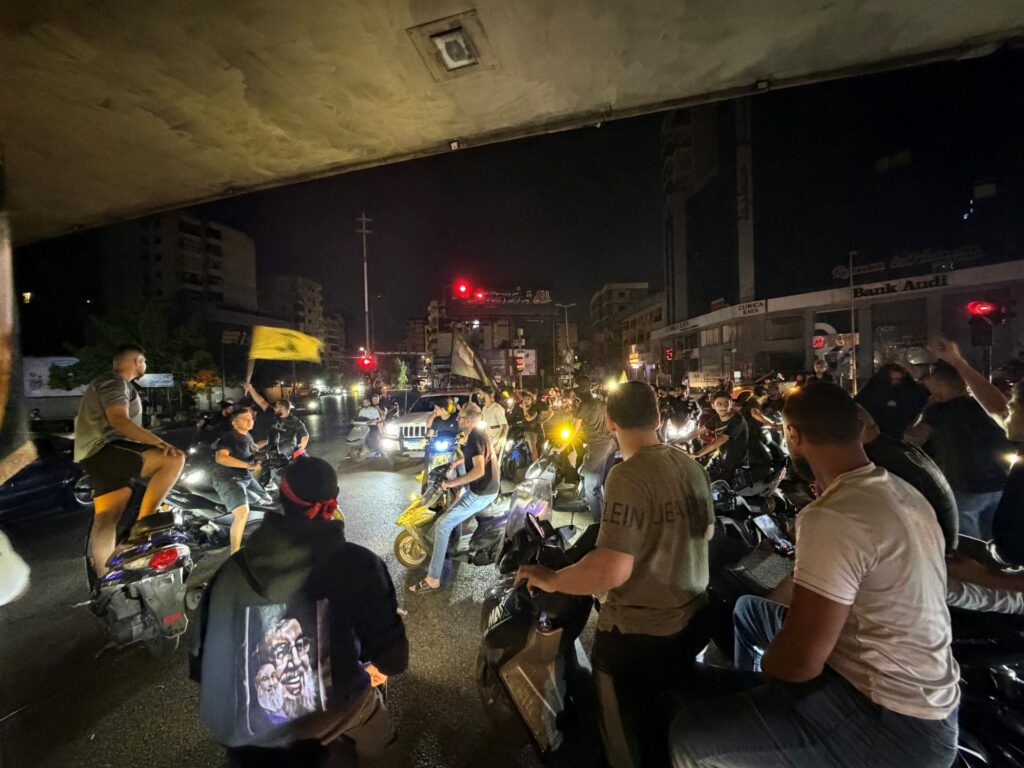
Lebanon is currently facing a significant political and economic challenge as reports have emerged detailing a substantial funding plan for Hezbollah, amounting to $200 million in aid from Iran. This revelation has sparked considerable concern both within Lebanon and internationally, particularly escalating tensions with the United States.
Hezbollah, a Shiite militant group and political party in Lebanon, has long been a controversial entity. Its deep ties with Iran have often been a source of conflict and political strain in the region. The newly reported funding plan intensifies scrutiny of Hezbollah’s activities and Lebanon’s ability to regulate them.
The Lebanese government is now under increased pressure, especially from the United States, which has consistently opposed Hezbollah due to its designation as a terrorist organization by Washington and other countries. The influx of such a large sum reportedly intended for Hezbollah threatens to destabilize Lebanon’s already fragile political and security landscape.
This development complicates Lebanon’s internal politics. Hezbollah is not only a military organization but also a significant political force, holding considerable influence in the Lebanese government. The group’s financial bolstering from Iran could further pivot Lebanon’s policies in directions at odds with Western interests, particularly those of the US.
Economically, Lebanon is struggling with one of the worst financial crises in its history. The additional Iranian aid to Hezbollah might deepen divisions within the country and deter international aid and investment essential for Lebanon’s recovery. The US and its allies have been cautious about financial flows in Lebanon, aiming to prevent funds from bolstering groups like Hezbollah.
The Lebanese government faces a diplomatic tightrope. On one hand, it must respond to international concerns and sanctions policies, largely influenced by US pressure. On the other, Hezbollah’s entrenched presence makes any direct confrontation politically risky.
Regional dynamics also play a role in this developing situation. Iran’s support for Hezbollah is part of its broader strategy to extend influence in the Middle East, often countering US efforts. For Lebanon, this geopolitical tug of war manifests as internal instability and external vulnerability.
Analysts warn that without effective measures to address the funding routes and the political empowerment of Hezbollah, Lebanon’s government may struggle to maintain sovereignty and stability. This could lead to further economic decline and increased risk of conflicts spilling over from regional rivalries.
The international community, particularly Western nations and regional players, remains watchful. There are calls for increased diplomatic engagement and monitoring to ensure that Lebanon does not become a battleground for proxy conflicts.
In conclusion, the $200 million funding plan to Hezbollah represents a multi-faceted challenge for Lebanon’s government. Navigating the pressures from the US, managing internal political complexities, and addressing the broader geopolitical implications will be critical for Lebanon’s future stability and security.