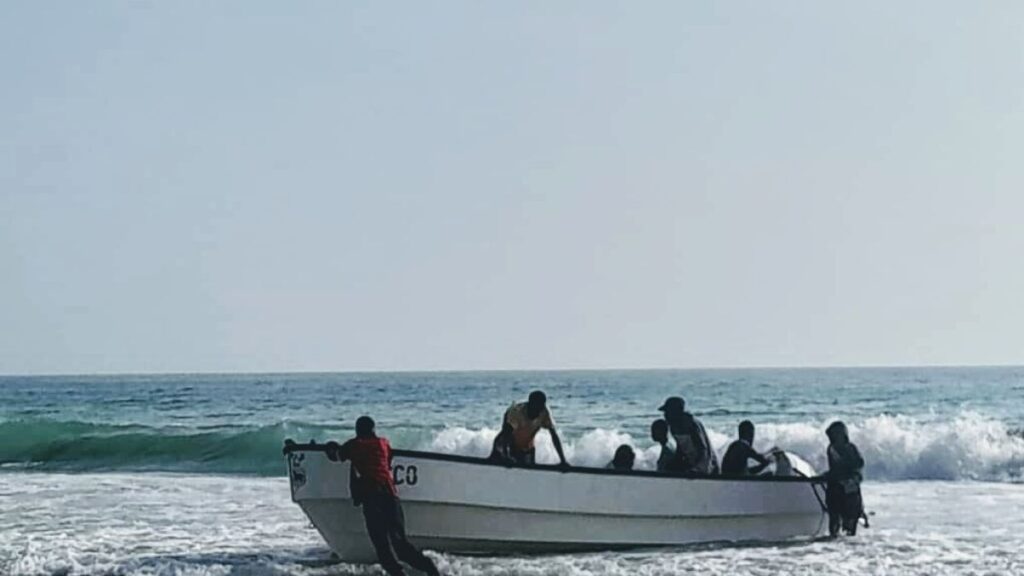
The resurgence of Somali piracy has re-emerged as a significant issue, intertwined with the socio-economic struggles of coastal communities. Following a crackdown on piracy in Somalia, many coastal fishermen find themselves caught in a precarious situation, struggling to make a living under heightened surveillance and restrictions.
Somalia’s coast has long been a breeding ground for piracy, fueled by economic desperation, unregulated fishing by foreign vessels, and the collapse of governance. Over recent years, international naval patrols and local government efforts have managed to reduce piracy incidents significantly. However, this crackdown has also had unintended consequences, especially for the coastal fishermen who rely on the sea for their livelihoods.
These fishermen often come from tightly knit kinship groups where the sea is both a source of sustenance and social identity. The increased naval presence and surveillance have limited their fishing zones and heavily monitored their activities, eroding traditional fishing practices and community trust. Without alternative economic opportunities, some in these communities have been drawn back into piracy, perpetuating a cycle of violence and instability.
Experts point out that the piracy issue cannot be solved by military means alone. It requires a nuanced understanding of the kinship ties, economic needs, and social dynamics of coastal societies. Investment in sustainable fisheries, community engagement, and regional economic development are vital in breaking the link between survival needs and piracy.
International actors and Somali authorities are urged to consider comprehensive approaches that balance security concerns with the socio-economic realities of coastal populations. Failure to do so risks the resurgence of piracy and the continuation of a humanitarian crisis along Somalia’s coast.
In conclusion, the return of Somali piracy is not merely a security problem but a complex socio-economic issue deeply rooted in kinship networks and survival strategies. Addressing it requires that surveillance and enforcement be coupled with meaningful support for the coastal fishermen struggling to survive in a rapidly changing maritime environment.