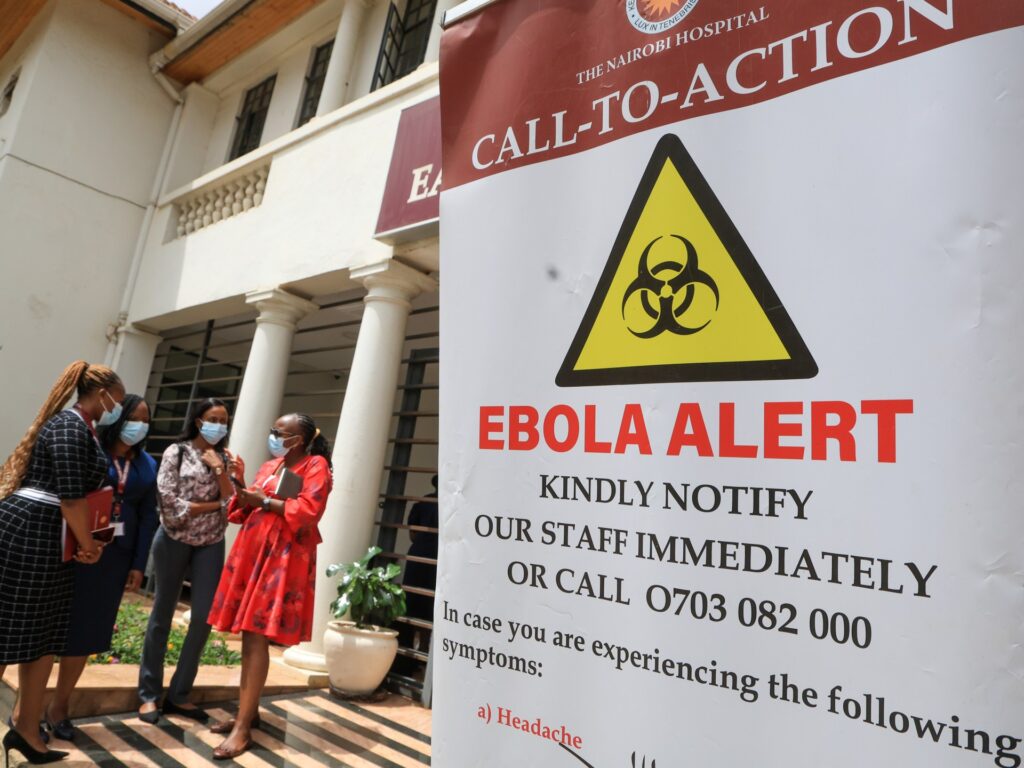
Kenya has officially confirmed its eighth case of Ebola, marking a concerning escalation in the regional outbreak impacting East Africa. Health authorities have disclosed that the latest patient was likely exposed to Kenya’s first recorded Ebola case, indicating ongoing transmission within the country.
The outbreak, which has seen cases spread across neighboring countries, is raising alarms due to the highly contagious and often fatal nature of the Ebola virus. Kenya’s Ministry of Health has intensified surveillance and response measures to contain the virus and prevent further spread.
This eighth case underscores the challenges faced by Kenya in managing the outbreak, especially given the porous borders and frequent movement of people within East Africa. Contact tracing and quarantine protocols are being rigorously enforced to identify and isolate potential new cases.
Ebola virus disease, caused by the Ebola virus, typically transmits through direct contact with bodily fluids of infected individuals or contaminated surfaces. Symptoms include fever, severe headache, muscle pain, vomiting, diarrhea, and in severe cases, hemorrhaging.
Kenyan health officials are collaborating with regional and international health agencies to ramp up resources for treatment, public education campaigns, and vaccination drives. The country has also increased the availability of personal protective equipment (PPE) for healthcare workers, who remain on the front lines of the response.
The confirmation of the eighth case also highlights the need for continued vigilance among the public. Authorities stress the importance of seeking immediate medical attention if Ebola symptoms appear and adhering strictly to health advisories.
Regionally, governments are working together to coordinate cross-border health strategies, given that the outbreak does not recognize national boundaries. Efforts include joint training for health workers, shared information systems, and synchronized public health messaging.
The World Health Organization (WHO) has expressed concern over the widening outbreak but commended the swift actions taken by Kenya and its neighbors.
As of now, the total number of Ebola cases in the region continues to rise, with several countries reporting new infections. Despite these challenges, health officials remain hopeful that with sustained international support and community cooperation, the outbreak can be brought under control.
In conclusion, Kenya’s confirmation of an eighth Ebola case amidst the regional outbreak highlights the urgent need for concerted efforts in disease surveillance, public health preparedness, and community engagement to combat this deadly virus and safeguard public health in East Africa.