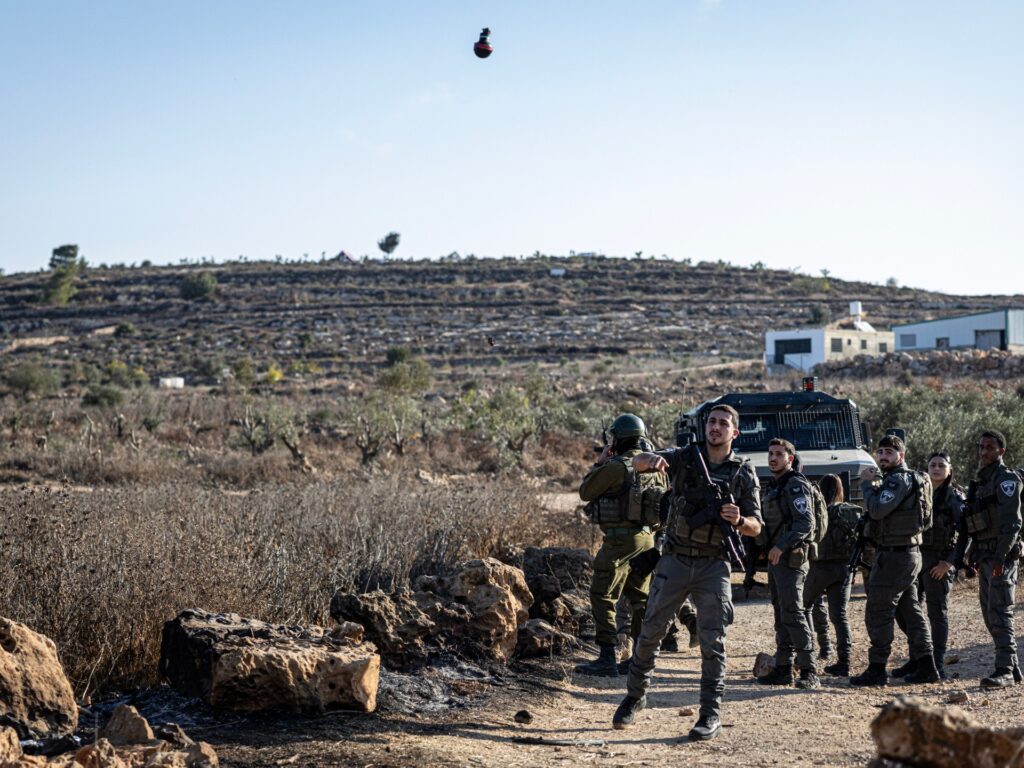
The occupied West Bank has seen a marked escalation in violence, particularly settler pogroms targeting Palestinians and foreign officials, coinciding with the annual olive harvest season. This time of year traditionally brings heightened tensions due to disputes over land and resources, making the Palestinian olive harvest a flashpoint for conflict.
In recent years, various incidents have underscored the increasing aggression from some settler groups. Attacks have ranged from physical violence and property damage to intimidation and disruptions of the harvest. Palestinian farmers often face harassment, theft of crops, and destruction of olive trees, which are a vital source of livelihood.
Foreign officials visiting the region have also been caught up in the unrest. Their presence, often aimed at monitoring the situation or supporting peace efforts, has sometimes led to confrontations and has highlighted the complexities and risks involved in diplomatic engagements in the area.
The timeline of these attacks reflects a pattern of escalation around the olive harvest season, suggesting these acts are not isolated but part of broader tensions linked to occupation policies, settler expansion, and Palestinian resistance. International observers point to the need for stronger protective measures for Palestinian farmers and more robust interventions to curb settler violence.
Efforts to address these challenges include calls for greater accountability of perpetrators, increased international attention, and support for peaceful coexistence initiatives. However, the persistence of attacks during the olive harvest season continues to cast a shadow over the hopes for reconciliation and peace in the West Bank.
The situation remains fluid, with ongoing reports of new incidents as the olive harvest progresses, underscoring the urgency of addressing this cyclical violence. Without concerted efforts, the successive waves of attacks risk deepening the divide and prolonging the conflict that has implications for regional stability and human rights.