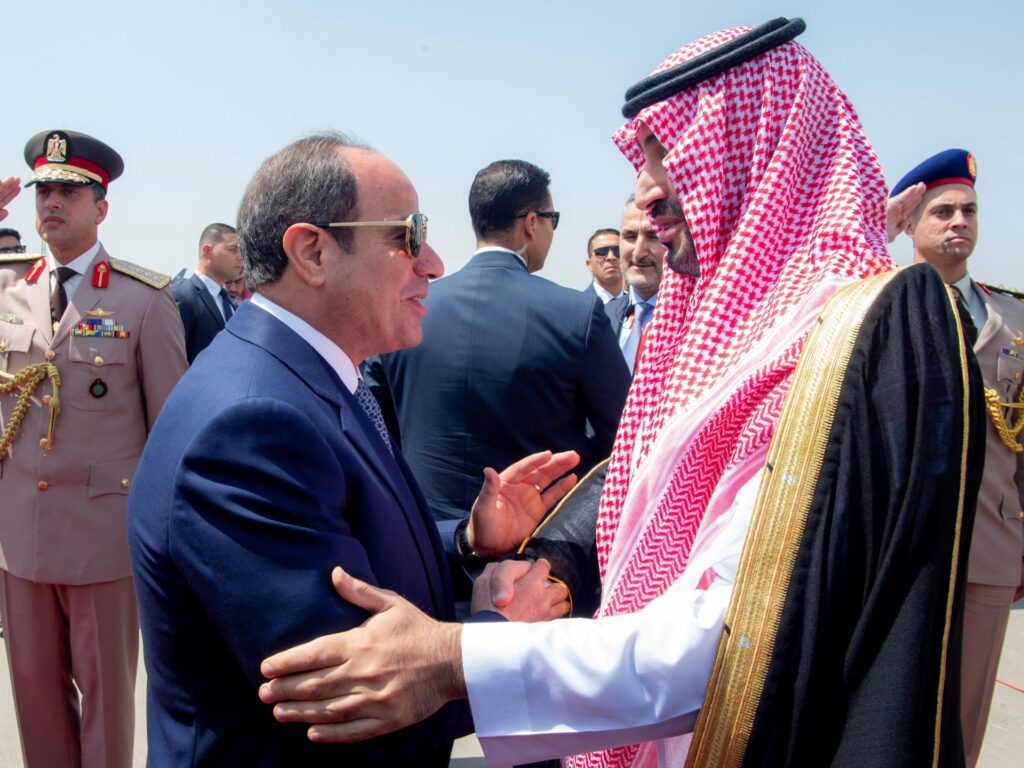
As the war against the Houthi movement in Yemen intensifies, Egypt finds itself in a position where it can offer support to its ally, Saudi Arabia, while maintaining a delicate balance to avoid escalation. Analysts suggest that any assistance provided by Egypt will be “strictly defensive,” reflecting Cairo’s cautious approach to direct involvement in the ongoing conflict.
Egypt’s capabilities to aid Saudi Arabia primarily revolve around logistical, intelligence, and military support that do not entail frontline combat. This includes sharing intelligence that can help target Houthi operations more effectively and providing logistical aid such as maintaining supply lines or securing critical infrastructure in coordination with the Saudi-led coalition.
Moreover, Egypt’s strategic location and military assets can play a significant role in securing maritime routes in the Red Sea, which have been jeopardized by Houthi attacks. By ensuring the safety of these shipping lanes, Egypt can indirectly support Saudi Arabia’s military campaign and safeguard international trade routes.
Egyptian experts also highlight the importance of training and advising Saudi forces. Though Egypt is unlikely to dispatch combat troops, military advisers and special units may assist in enhancing Saudi operational capabilities and defensive strategies. This kind of support helps contain the conflict without overt Egyptian military engagement.
Diplomatically, Egypt’s involvement might include leveraging its influence in regional forums and with international partners to generate political support for the Saudi-led coalition. This can translate into pressure on the Houthis and their backers to negotiate a ceasefire, thereby possibly reducing the intensity of the conflict.
The restraint shown by Egypt is informed by several factors. Egypt is navigating complex internal and regional dynamics, including economic constraints and domestic public opinion, which are generally wary of prolonged military involvement abroad. Also, Egypt aims to avoid exacerbating tensions with other regional powers who have stakes in the Yemen conflict.
Furthermore, Egypt’s position is influenced by its broader strategic interests in the Arabian Peninsula, including maintaining strong ties with Gulf Cooperation Council (GCC) states while balancing relationships with other influential regional actors. This nuanced stance ensures Egypt’s contributions are measured and oriented towards stabilization rather than escalation.
In summary, Egypt’s aid to Saudi Arabia in the war against the Houthis is poised to be cautious and predominantly defensive. The support will likely center on intelligence sharing, logistical backing, maritime security, military advising, and diplomatic efforts designed to stabilize the region and prevent the conflict from widening. This approach allows Egypt to support its ally without becoming deeply entangled in the fighting, reflecting prudent regional policymaking amid complex geopolitical realities.