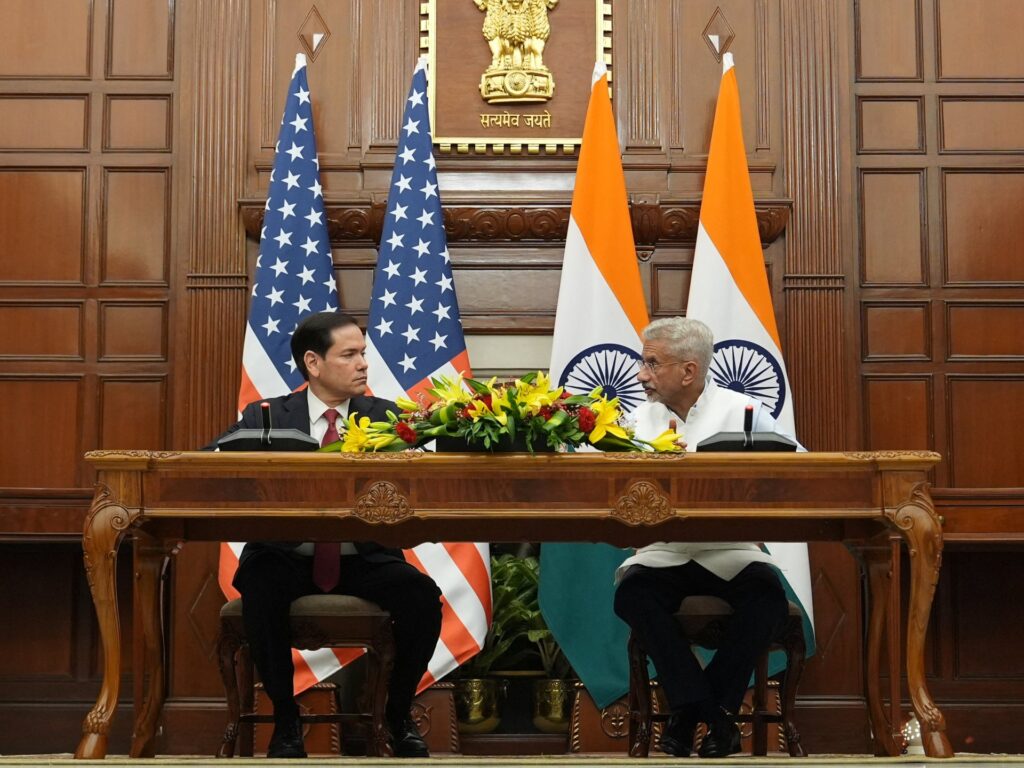
The recent visit of US Senator Marco Rubio to Mumbai has sparked considerable controversy and dissatisfaction in India, particularly among political circles and the public. Rubio’s decision to skip New Delhi, the nation’s capital and a traditional venue for such high-profile visits, has raised eyebrows and led to criticism from opposition leaders who view the arrangements as humiliating for India.
Typically, visits by prominent foreign officials to India include a stop in New Delhi where they meet government officials and engage in diplomatic discussions. Rubio’s itinerary, however, notably excluded New Delhi, focusing instead on Mumbai, India’s financial hub. This deviation from usual protocol has been perceived by some as a diplomatic snub or a slight to the Indian government.
Opposition leaders in India quickly voiced their concerns, arguing that the arrangement undermines India’s status and dignity on the international stage. They believe that New Delhi should be the primary host for such visits to reflect the nation’s political importance and to facilitate more comprehensive diplomatic interactions.
From the US perspective, Rubio’s visit to Mumbai, known for its vibrant business environment, may have been motivated by a focus on economic ties, regional partnerships, and strengthening trade and investment relations. Mumbai’s role as an economic powerhouse might suggest an emphasis on economic diplomacy rather than traditional political diplomacy.
However, this approach has not quelled the criticisms. The absence of official meetings in New Delhi and the perceived sidelining of the capital in favor of a commercial center have sparked debates about the nature of India-US relations and respect for diplomatic conventions.
Additionally, concerns have been raised regarding communication and coordination between the US embassy in New Delhi and Indian authorities. The lack of clear information about the visit’s agenda and the reasons behind the unconventional route added to the narrative of a diplomatic slight.
Local media in India have also covered the issue extensively, highlighting the criticisms from various political factions and questioning the implications for bilateral ties. The coverage reflects a broader concern about how India is represented and treated in global diplomatic forums.
On the other hand, some analysts suggest that Marco Rubio’s visit could signal a shift towards more diversified engagement strategies by the US, focusing on different regions and economic priorities within India rather than following the traditional political diplomacy blueprint.
The debate around Rubio’s visit underscores the delicate balance in India-US relations, where symbolism and protocol often carry significant weight alongside substantive dialogue. India’s political leaders see visits by US officials not only as opportunities for dialogue but also as symbols of mutual respect and recognition.
In conclusion, while Senator Marco Rubio’s visit to Mumbai aimed to strengthen bilateral ties through economic engagement, its deviation from diplomatic norms, particularly the bypassing of New Delhi, has sparked controversy and criticism within India. The situation highlights the complexities of international diplomacy and the importance of carefully managing protocol and symbolism in fostering strong bilateral relationships.