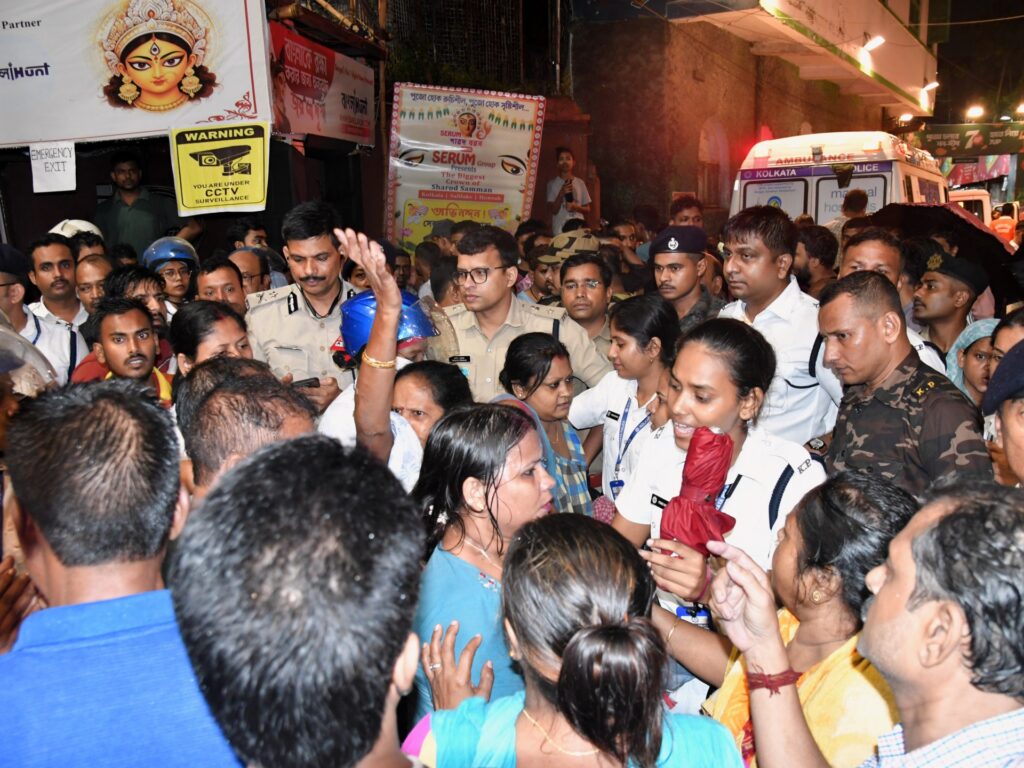
A tragic stampede at a religious festival in Kolkata, West Bengal, India, has resulted in the deaths of at least 19 people. The incident occurred amid large crowds and heavy rainfall, which contributed to the chaos and panic during the event. Authorities reported that the stampede broke out when attendees were trying to navigate through congested areas of the festival grounds, exacerbated by slippery conditions caused by the rain.
The festival, which draws thousands of devotees every year, was marred by this sudden tragedy, leading to a massive emergency response from local police and medical teams. Rescue efforts were quickly mounted, and the injured were transported to nearby hospitals for treatment. Officials have stated that the stampede was not triggered by violence or conflict but was a result of overcrowding and environmental factors.
Authorities are investigating the event to determine if better crowd control measures or infrastructure could have prevented the disaster. Local government officials have expressed condolences to the families of the victims and promised to review safety protocols for future gatherings.
Stampedes at religious events have occurred in the past in India, often due to the high volume of participants and sometimes inadequate crowd management. This incident underscores the importance of effective planning and real-time response capabilities during large public events, especially in adverse weather conditions.
The community has been deeply affected by the loss, with many mourners paying their respects and calling for improved safety measures. As the investigation continues, authorities are focusing on preventing similar tragedies from happening again by enhancing security, ensuring proper crowd flow, and preparing for emergency situations.
This tragic incident serves as a somber reminder of the risks associated with large public gatherings and the critical need for comprehensive safety management.