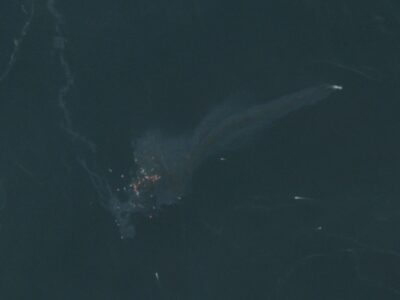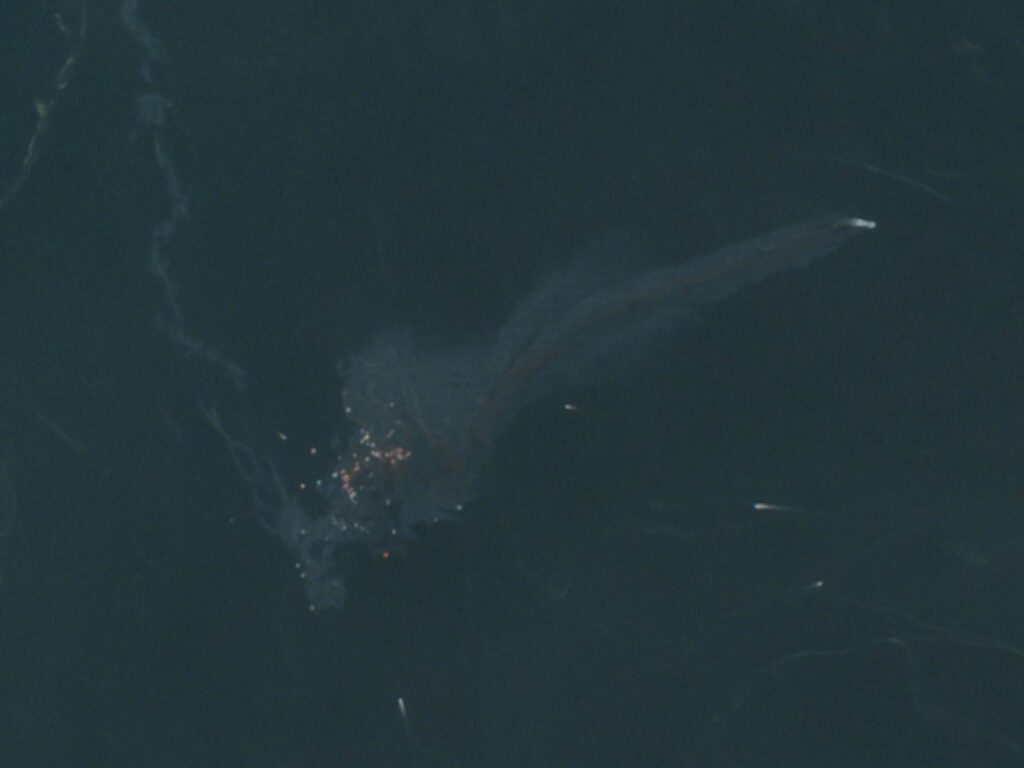
In a recent incident in the volatile maritime region of the Strait of Hormuz, two Iranian tankers caught fire after hitting mines, raising concerns about the security of one of the world’s most crucial oil transit routes. The vessels, each laden with approximately two million barrels of crude oil, were reportedly navigating through an unauthorized route, according to statements from the Islamic Revolutionary Guard Corps (IRGC).
The Strait of Hormuz is a narrow chokepoint through which about a fifth of the world’s oil supply passes, making it a linchpin in global energy markets. The presence of mines and the resulting damage to these large crude carriers have heightened tensions and prompted urgent calls for increased maritime security.
Iran’s IRGC has emphasized that the tankers’ decision to use an unauthorized maritime path contributed to the mishap. The organization has called attention to the need for strict adherence to designated shipping lanes to prevent such dangerous occurrences.
While the full extent of the damage and environmental impact is still being assessed, the fires aboard the tankers pose serious risks to marine ecosystems and regional economic stability. Efforts to control the blaze and salvage the vessels are underway, involving both Iranian authorities and regional maritime safety organizations.
This incident adds to a string of security challenges in the Persian Gulf area, marked by geopolitical tensions and occasional disruptions to oil exports. The international community has expressed concern over these developments, underlining the importance of maintaining freedom of navigation and ensuring the safety of energy supplies.
In response to the episode, stakeholders in the shipping and oil industries are reviewing their risk management strategies and contingency plans. The strategic implications highlight the fragility of the supply chain and the necessity of robust security measures.
As investigations continue, questions remain about the origin of the mines—whether they were remnants from previous conflicts, placed intentionally by hostile actors, or resulted from other causes. Understanding the source is crucial for preventing future incidents.
Meanwhile, insurance companies are likely to reassess premiums and terms for vessels traversing the Strait of Hormuz, reflecting the heightened risk profile.
The incident underscores the broader challenge of ensuring safe passage in contested waterways and the potential consequences of deviating from established navigational protocols. It serves as a stark reminder of the delicate balance between maritime commerce and regional security dynamics.