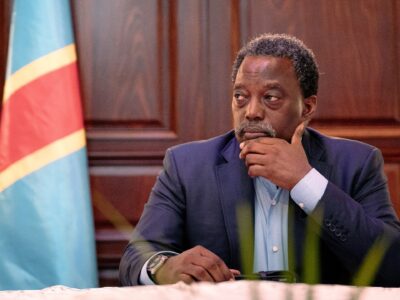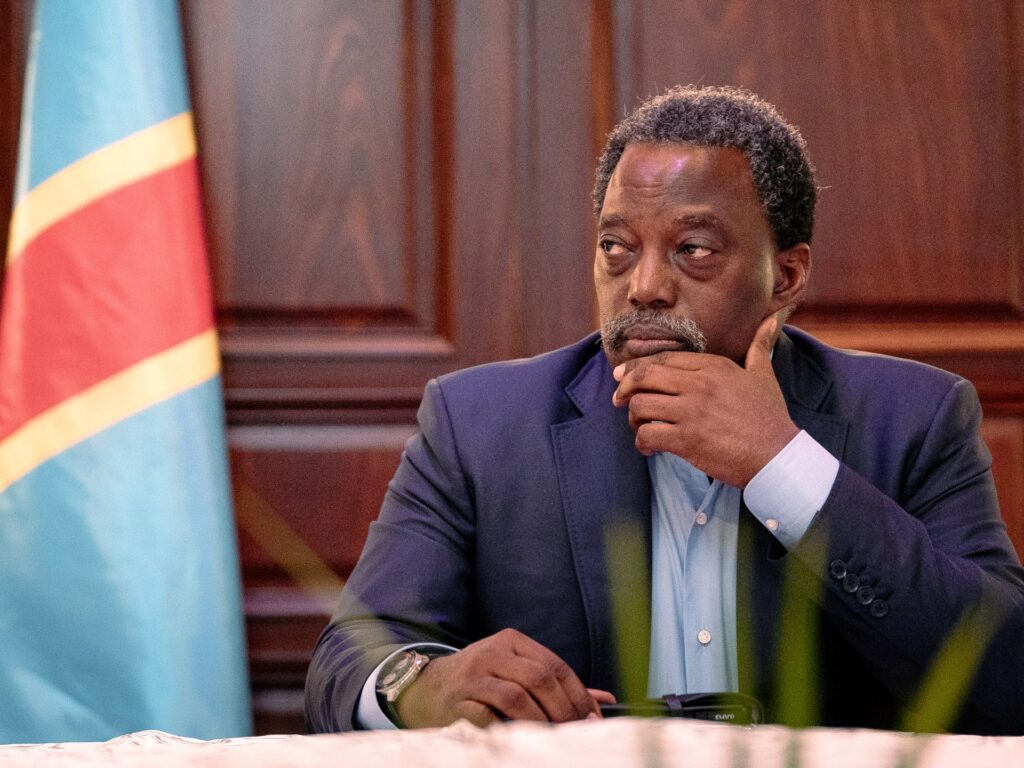
The Democratic Republic of Congo (DRC) is witnessing a surge in anxieties as former President Joseph Kabila reportedly aligns himself with a rebellion, a move that could significantly impact the ongoing conflict in the eastern part of the country. This unexpected development has raised critical questions about the future of the war and the fragile prospects for peace in a region long plagued by violence and instability.
Kabila, who ruled the DRC from 2001 to 2019, was succeeded by President Félix Tshisekedi. Despite stepping down, Kabila has remained a powerful figure in Congolese politics. His recent association with a rebel faction marks a dramatic shift, potentially altering the balance of power in the conflict-ridden east.
The eastern DRC has been a hotspot for armed conflict for decades, involving numerous militias, rebel groups, and foreign actors. Violence in the region has resulted in severe humanitarian crises, including displacement, human rights abuses, and economic disruption.
Kabila’s decision to join the rebellion has alarmed both local communities and international observers. There is widespread concern that his involvement could embolden rebel forces, escalate fighting, and undermine ongoing peace efforts. It also complicates the political landscape, as Kabila was seen as a pivotal player in previous peace negotiations.
Experts suggest that Kabila’s move might be motivated by political ambitions, grievances with the current government, or strategic calculations aimed at regaining influence. Regardless of the reasons, the implications are profound for the DRC’s stability.
The international community has been actively engaged in seeking a resolution to the eastern conflict through diplomatic and humanitarian means. This new development threatens to derail progress and heightens the urgency for renewed peace initiatives.
Local populations, already suffering from years of violence, face increased risks of displacement and insecurity as fighting intensifies. Humanitarian organizations are preparing for potential escalations in aid requirements.
The government of President Tshisekedi has condemned the rebellion and vowed to restore order, but the challenge is considerable given the complexities of the region’s armed groups and political dynamics.
As the situation unfolds, there is a pressing need for dialogue, conflict de-escalation, and inclusive political solutions that address the root causes of violence in the DRC.
Kabila’s alignment with the rebels underscores the fragile nature of peace in the DRC and reminds the world of the persistent challenges in achieving lasting stability in one of Africa’s most resource-rich yet conflict-afflicted nations.
The coming weeks will be crucial in determining whether the DRC can navigate this new phase of its conflict or if it will witness further deterioration in security and political cohesion.