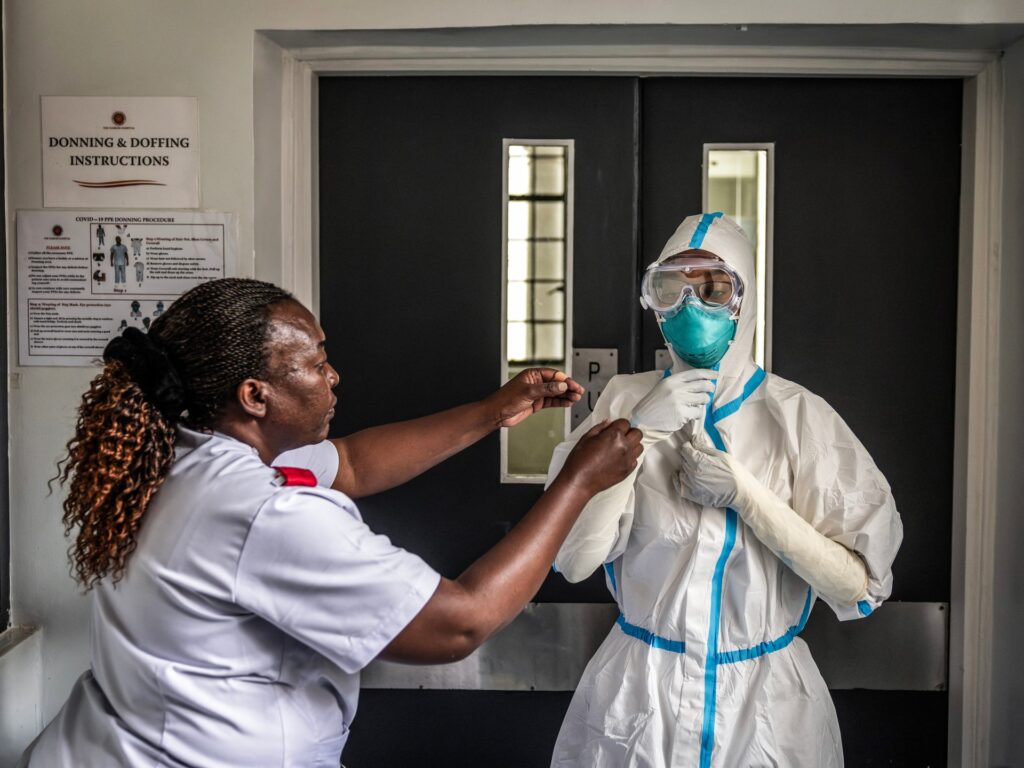
Kenya has confirmed four additional cases of Ebola, increasing the total number of infections in the country to seven. Among the newly confirmed cases are three health workers who were involved in treating the country’s first Ebola patient. This development has raised concerns about the risk of transmission within healthcare settings and the broader community.
The initial patient, whose case was the first confirmed in Kenya, prompted a swift response from health authorities aimed at containing the outbreak. Despite these efforts, the identification of new cases among frontline medical staff highlights the challenges faced in managing infectious diseases, particularly in environments where healthcare resources may be limited.
Health officials have emphasized the importance of stringent infection control measures in hospitals, including the use of personal protective equipment (PPE), proper hygiene practices, and isolation protocols to prevent further spread. Investigations are ongoing to trace contacts and identify potential sources of exposure to break the chain of transmission.
The Ministry of Health has urged the public to remain vigilant and report any symptoms consistent with Ebola to the nearest health facility. Symptoms commonly associated with Ebola include fever, severe headache, muscle pain, weakness, fatigue, diarrhea, vomiting, abdominal pain, and unexplained bleeding or bruising.
International health organizations are collaborating with Kenyan authorities to provide technical support, resources, and expertise to manage and contain the outbreak. This cooperation aims to strengthen surveillance, improve diagnostic capacities, and enhance treatment capabilities.
Community engagement and education campaigns have been ramped up to inform the public about preventive measures and to combat misinformation and stigma associated with Ebola. These efforts are critical in ensuring compliance with public health recommendations and maintaining trust in the healthcare system.
The emergence of Ebola cases in Kenya underscores the ongoing threat posed by infectious diseases and the necessity for robust healthcare infrastructure and preparedness. Authorities continue to monitor the situation closely and are committed to taking all necessary actions to safeguard public health.
As the situation evolves, regular updates will be provided to keep the public informed about new developments and measures being implemented to control the outbreak.