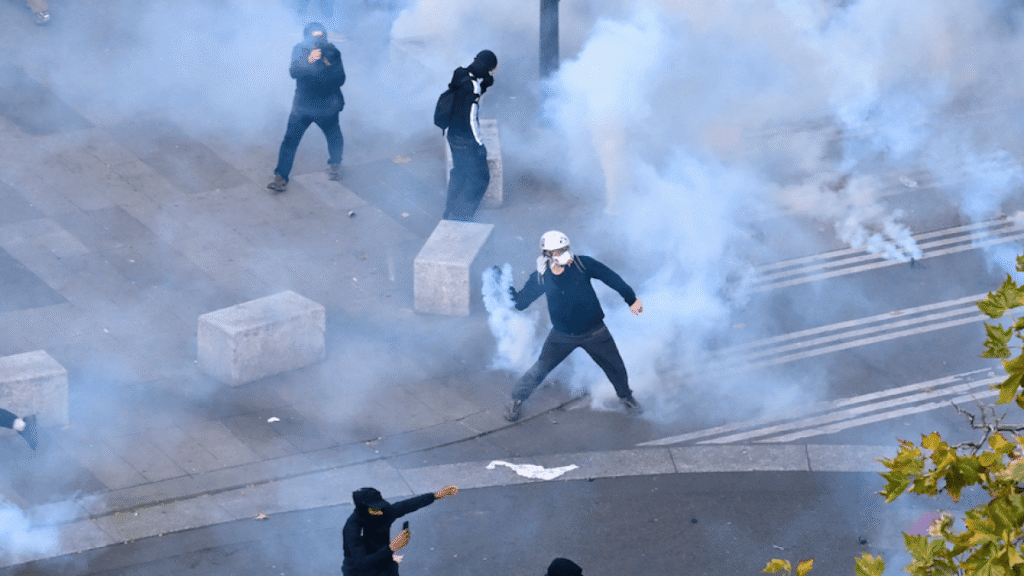
In Paris, widespread protests have escalated into violence as thousands of citizens take to the streets to express their frustrations over critical issues affecting the education system and public services. The protests center around teacher shortages, deteriorating school facilities, and significant cuts to public services. Demonstrators are demanding urgent government action to address these challenges.
The unrest began as peaceful demonstrations but turned violent as tensions rose between protesters and law enforcement. Clashes have been reported in several districts, leading to property damage and multiple injuries. Authorities have deployed riot police in an effort to restore order.
Education professionals, parents, and students have joined forces, highlighting the severity of the teacher shortage crisis that hampers quality education. Schools in many areas are struggling to operate effectively due to insufficient staff and outdated infrastructure.
Additionally, cuts to public services have sparked widespread discontent among the population, further fueling the protests. Many citizens are concerned about the long-term social impact of reduced government support and diminished access to essential services.
The government has acknowledged the protests and has called for dialogue, promising to review education funding and public service policies. However, demonstrators remain skeptical and are urging immediate reforms to prevent further deterioration.
The situation in Paris is being closely watched by international observers, as the protests reflect broader global concerns over education funding and public sector austerity measures. The outcome of these events could have significant implications for future government policies and public sentiment in France.
As the protests continue, safety concerns have increased, with calls from various groups for peaceful resolution and constructive engagement between the government and citizens. The coming days will be critical in determining whether dialogue can replace confrontation and lead to meaningful change in Paris’ educational and public service sectors.