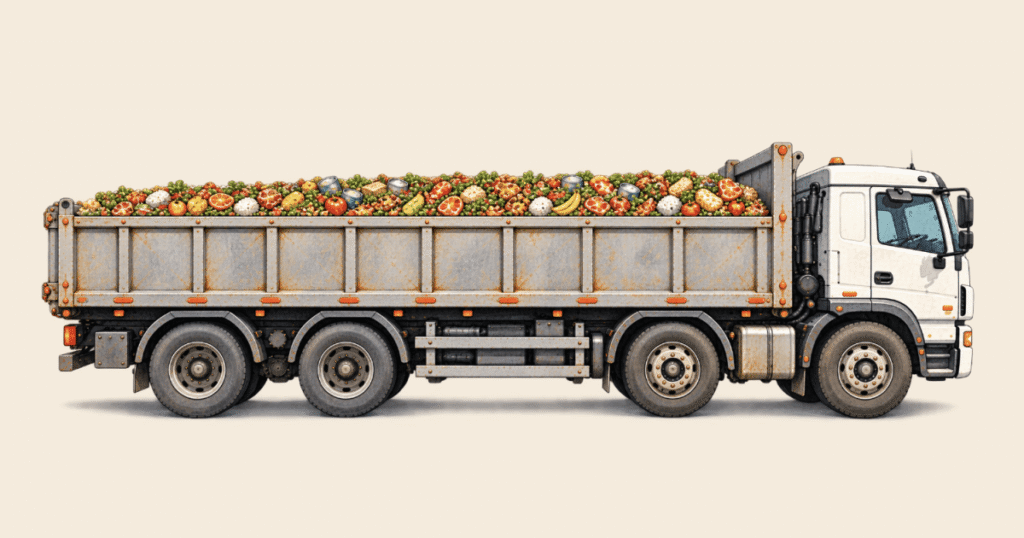
On this World Food Day, the stark reality persists: 645 million people worldwide suffer from hunger, even as more than a billion tonnes of food are wasted annually. This paradox of abundance and scarcity highlights a significant global issue—food waste.
Among countries, the highest food waste occurs primarily in developed nations. In the United States, it is estimated that nearly 40% of the food supply is wasted. Similarly, European countries such as the United Kingdom, Germany, and France also report high levels of food wastage, often due to consumer habits, retail practices, and supply chain inefficiencies. In the Middle East and North Africa, food waste is also significant, attributed to both consumer behavior and cultural aspects. Conversely, in many developing countries, food waste tends to occur more at the production and storage stages due to inadequate infrastructure.
The causes of excessive food waste in affluent countries include large portion sizes, confusion over food labeling like ‘best before’ and ‘use by’ dates, and over-purchasing influenced by marketing strategies. Meanwhile, food loss in poorer nations often relates to lack of refrigeration, poor transportation, and insufficient market access.
Reducing food waste is critical for addressing global hunger, conserving resources, and mitigating environmental impacts such as greenhouse gas emissions from decomposing food in landfills.
At home, simple and effective strategies can significantly cut down food waste:
1. Plan Your Meals: Creating a weekly meal plan and shopping list helps purchase only what is necessary.
2. Proper Storage: Learning to store fruits, vegetables, dairy, and leftovers correctly extends their freshness.
3. Understand Labels: Educate yourself on the meaning of food date labels to avoid prematurely discarding edible food.
4. Use Leftovers Creatively: Leftovers can be transformed into new meals or incorporated into soups and stews.
5. Portion Control: Serve smaller portions to avoid uneaten food.
6. Donate Surplus Food: Share extra produce and pantry items with neighbors or food banks.
7. Compost: Organic waste can be composted rather than thrown away, reducing landfill pressure.
These steps, when adopted widely, have the potential to reduce food waste significantly. On this World Food Day, the call to action echoes loud and clear: reducing food wastage at both systemic and individual levels is vital to creating a more equitable and sustainable world where fewer people go hungry.