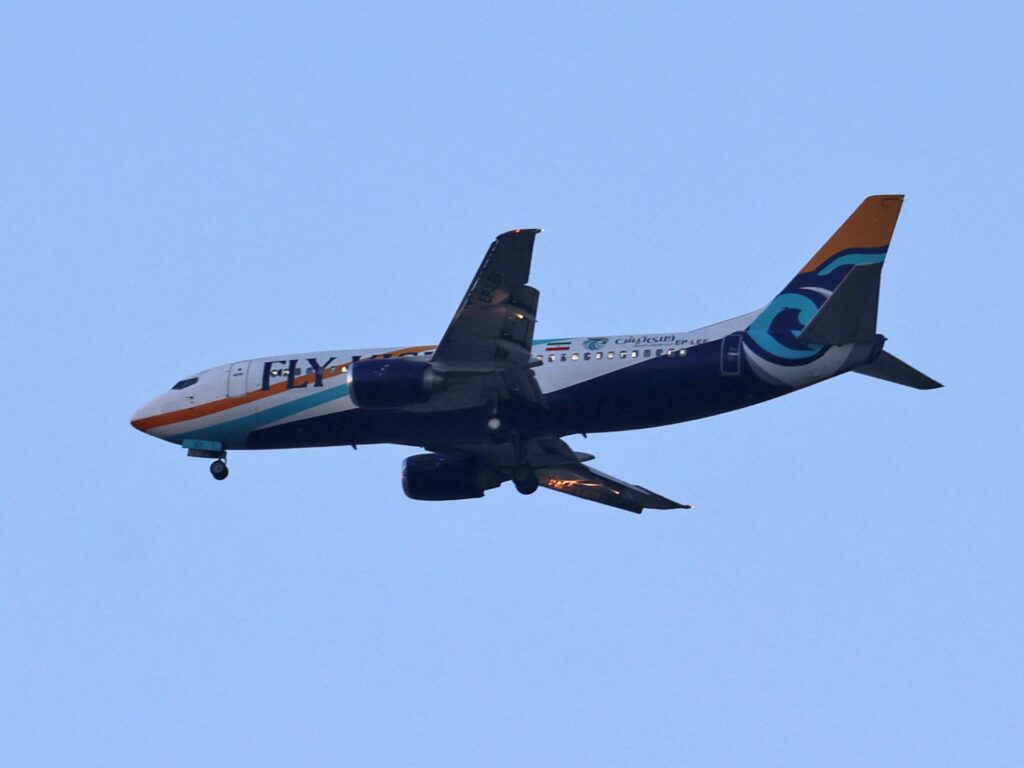
Recent US sanctions have dramatically impacted aviation connections for Iranian travelers, resulting in widespread flight cancellations and significant increases in travel expenses. These sanctions, specifically targeting Iran’s aviation sector, have caused many international airlines to either suspend or drastically reduce their flights to and from Iran, citing difficulties related to financial transactions, insurance, and maintenance services restricted by the sanctions.
As a direct result, Iranians seeking to travel internationally are now facing limited flight options. Major airlines have either ceased operations on popular routes or increased ticket prices to account for the added operational burdens and risks. This situation forces travelers to opt for longer, more complex itineraries that involve multiple stops and alternate transfer points, further escalating travel times and costs.
Financial restrictions embedded in the US sanctions impede Iranian airlines’ ability to secure parts and services from global suppliers, exacerbating safety and reliability concerns. Consequently, international operators are hesitant to maintain routes to Iran, fearing regulatory repercussions or challenges in conducting routine commercial activities.
The disruption has not only affected individual travelers but also had broader economic repercussions. Business travel, tourism, and cultural exchanges are constrained by the diminished aviation links, adversely impacting Iran’s economy and international relations.
Many Iranians now rely on less efficient and more expensive Air routes through third countries, often requiring inconvenient layovers and additional visa requirements, further complicating travel. The limited air connectivity also affects students, expatriates, and families who depend on accessible and affordable flights for personal and professional commitments.
Airlines that continue to operate in the region have seen operational costs rise due to the need for alternative arrangements like leasing aircraft, rerouting flights, and securing insurance under challenging conditions. These increased expenses are passed on to passengers in the form of higher ticket prices.
Moreover, the ongoing sanctions create uncertainty in the aviation market, discouraging new investments and partnerships that could enhance connectivity and market stability. The lack of clear pathways for financial transactions under the US regulatory framework deters potential international collaborations with Iranian aviation firms.
In response, Iranian officials have been seeking alternative methods to circumvent these restrictions, including pursuing aviation agreements with non-US aligned countries and exploring indirect flight routes that avoid US-controlled airspace. However, these measures are often interim solutions that add complexity and costs rather than restoring full service.
The sanctions’ impact continues to ripple through Iranian society and economy, highlighting the significant role that open, secure international aviation links play in global mobility and commerce. Travelers and businesses alike are caught in the crossfire of geopolitical tensions, with Iranian citizens bearing the brunt of restricted air travel access and soaring costs.
Efforts to resolve these issues remain elusive amid broader diplomatic challenges, but aviation sector stakeholders worldwide watch closely as the unfolding situation underscores the intersection of international policy, commerce, and human mobility.