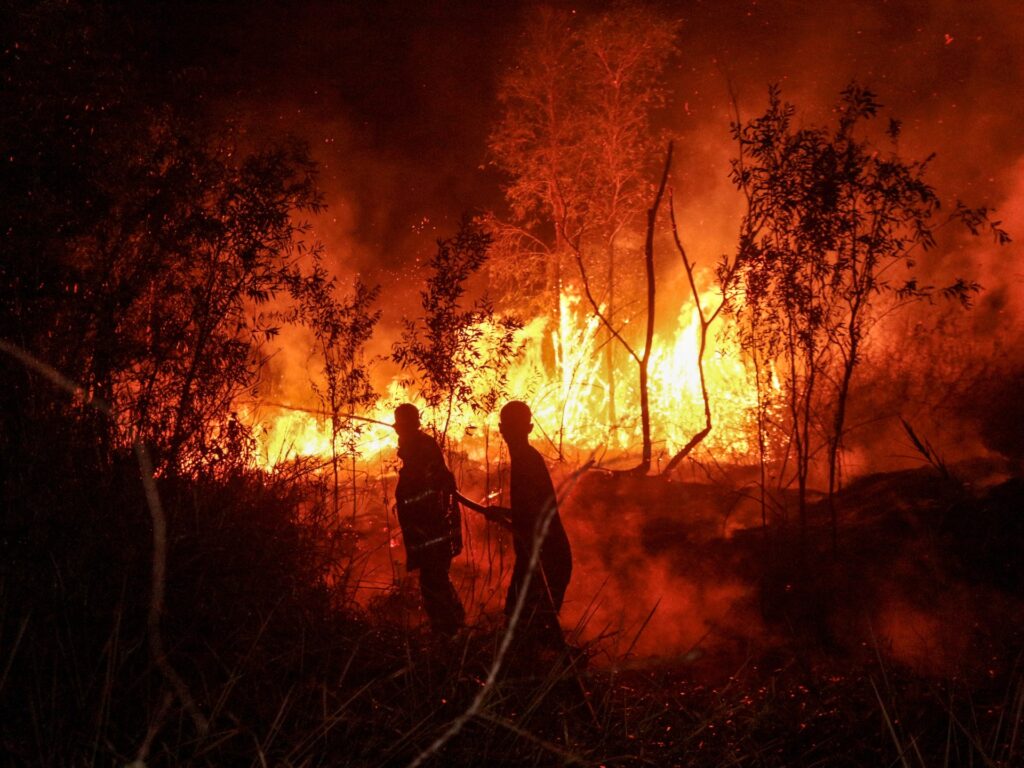
Indonesia is grappling with its most severe forest fires in over ten years, resulting in the tragic deaths of four individuals. The blazes have devastated vast areas of forest, severely impacting the environment, air quality, and the health of communities across the region.
Jakarta, the Indonesian capital, has officially announced that it will accept foreign aid to combat these relentless fires. This decision marks a significant move to bolster the country’s firefighting efforts amid escalating crises caused by the widespread wildfires.
The fires have been exacerbated by a combination of dry conditions and human activities such as illegal land clearing and slash-and-burn agricultural practices. The annual haze created by the burning has repeatedly affected Southeast Asia, causing health emergencies and diplomatic tensions with neighboring countries.
Efforts to control the fires have been hampered by inaccessible terrain and the sheer scale of the blazes. Despite the deployment of local firefighting teams and military personnel, the intensity of the fires continues to pose a formidable challenge.
The government’s acceptance of international assistance could bring additional resources, including aircraft for water bombing, specialized firefighting equipment, and expert teams to help contain the spread of the fires.
Environmentalists have voiced concern over the long-term consequences of the forest fires, highlighting the destruction of biodiversity-rich rainforests and the emission of large quantities of greenhouse gases which contribute to climate change.
Local communities affected by the fires are facing displacement, respiratory illnesses due to thick haze, and disruptions to their livelihoods. Relief efforts are ongoing to provide medical aid and support to those in need.
Indonesia’s forestry and environment ministries are reportedly coordinating with international agencies to enhance firefighting strategies and implement policies aimed at preventing future outbreaks.
The current crisis has sparked public outcry for more stringent laws and enforcement to protect forests and reduce human-induced fires. Advocates emphasize the need for sustainable land management and increased public awareness campaigns.
As Indonesia battles these devastating fires, the international community watches closely, recognizing that the impacts of such environmental disasters transcend national borders and require collective action.
In summary, Indonesia’s worst forest fires in more than a decade have led to four fatalities and severe environmental, health, and socio-economic consequences. The government’s move to accept foreign assistance marks a crucial step in tackling this pressing crisis, underscoring the urgent need for collaborative efforts to restore and protect the region’s forests.