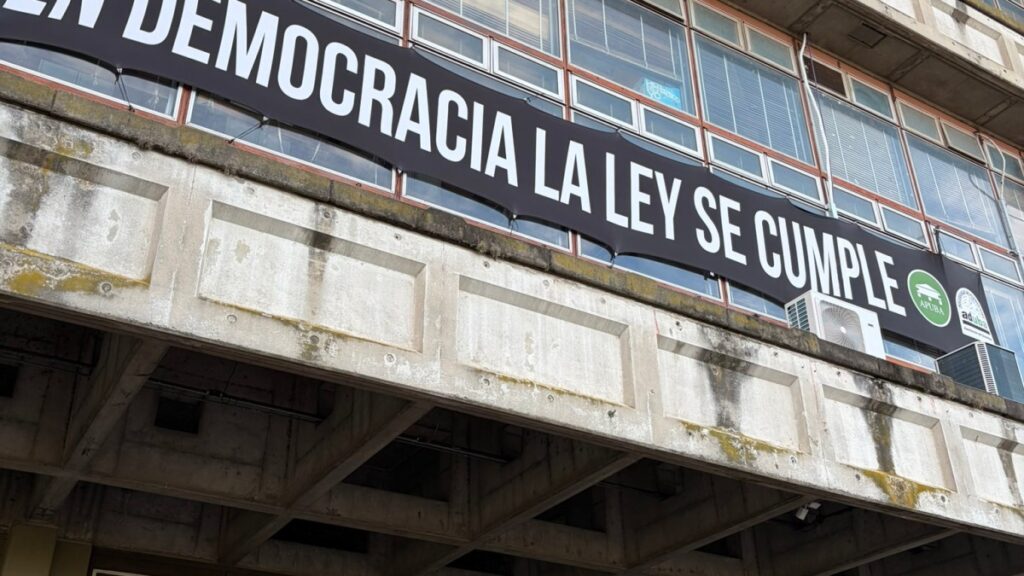
In recent developments in Argentina, widespread student protests have broken out across university campuses in response to proposed austerity measures by Economy Minister Javier Milei. The protests have escalated into violent confrontations, raising concerns over the government’s handling of university funding. The controversy centers around significant budget cuts to the higher education sector, which students and faculty argue will severely undermine the quality and accessibility of education.
These austerity measures come as part of Minister Milei’s broader fiscal policy aimed at reducing public expenditure and stabilizing the national economy. However, the deep funding reductions have ignited outrage within academic communities, with students accusing the government of neglecting its constitutional obligation to provide adequate educational resources.
Amid the escalating protests, a judge has intervened and fined the government for failing to comply with mandated university funding commitments. This legal ruling underscores the tension between the judiciary and the executive branch over fiscal priorities and educational rights.
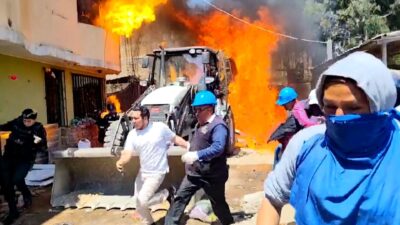
The student protests have involved mass mobilizations on campuses, rallies in major cities, and clashes with police forces attempting to disperse protesters. Several incidents of violence have been reported, including property damage and arrests, intensifying the already volatile situation.
Educational institutions have expressed deep concern about the impact of the cuts not only on current students but also on the long-term development of Argentina’s academic and research capabilities. Faculty members warn that diminishing investment could lead to brain drain and diminished innovation.
Government officials have defended the austerity measures as necessary steps to curb inflation and restore fiscal discipline, claiming that while painful, these cuts are essential for the country’s economic health. They have called for dialogue to address concerns but remain firm on the budgetary constraints imposed.
The protests reflect broader discontent in Argentina with economic hardships and political decisions affecting social sectors. The heightened tensions suggest that the government faces significant challenges in balancing fiscal responsibility with public service obligations.
Going forward, many expect continued unrest and calls for comprehensive consultations involving students, educators, and policymakers to find sustainable solutions that protect educational access while addressing economic realities. The situation remains fluid as stakeholders navigate this critical moment for Argentina’s higher education system.