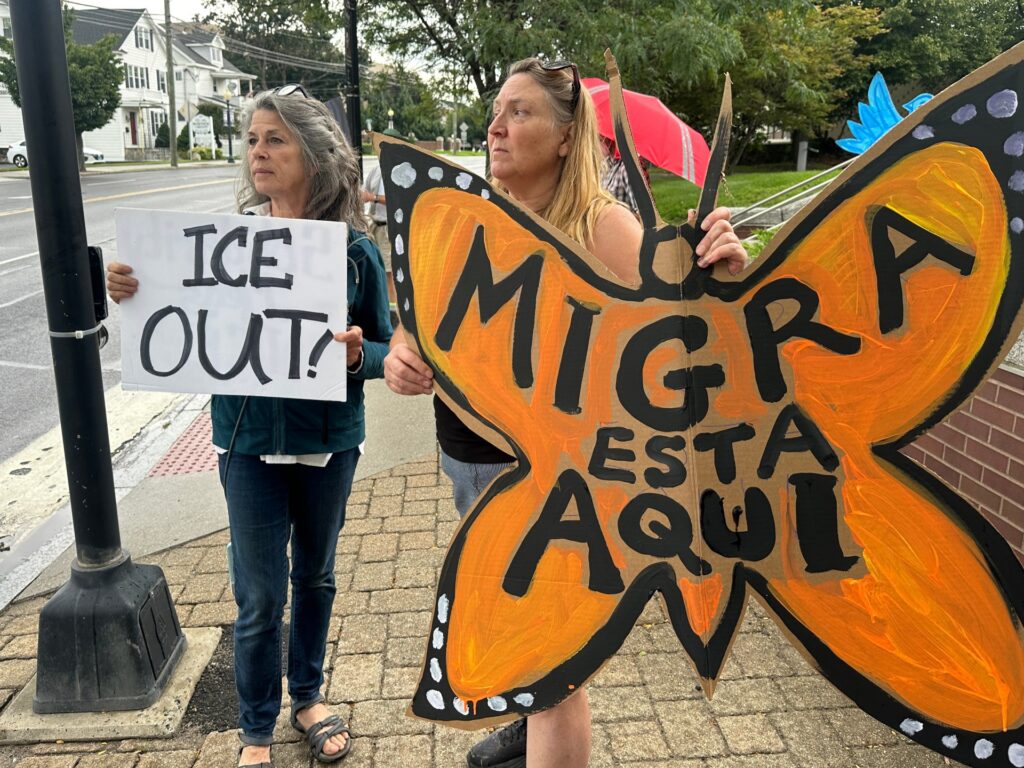
As the 2026 US midterm elections approach, Immigration and Customs Enforcement (ICE) tactics have become a polarizing issue among voters, fueling intense debate across the nation. With immigration enforcement taking center stage, the strategies employed by ICE under the Trump administration’s hardline approach continue to divide public opinion.
Recent polls indicate a sharp split among voters regarding the effectiveness and morality of these enforcement measures. Supporters argue that stringent immigration controls are essential for national security and economic stability. They view ICE’s aggressive actions as necessary steps to uphold the rule of law and protect American jobs.
Conversely, critics contend that ICE’s tactics often border on excessive and inhumane treatment of immigrants, particularly those seeking asylum or employment opportunities. Human rights advocates and numerous community leaders have condemned what they describe as discriminatory practices and the disruption of families and local communities.
This division has translated into political ramifications, with immigration policy now a focal point in campaigns across both major parties. Candidates aligned with stricter measures tout them as commitments to sovereignty and safety, while opponents emphasize comprehensive immigration reform and more compassionate approaches.
The midterm elections, which will determine control of Congress, could hinge significantly on voter sentiment toward ICE and immigration policies. Analysts suggest that these issues mobilize grassroots activism on both sides, potentially influencing turnout and election outcomes.
Historically, immigration has been a contentious topic in US politics, but the heightened visibility of ICE actions under recent administrations has intensified debates.
The 2026 midterms are shaping up to be a critical barometer of public mood on immigration enforcement, signaling broader questions about the nation’s identity, values, and future direction. As campaigns intensify, voters face a stark choice on immigration enforcement strategies that could define the political landscape for years to come.