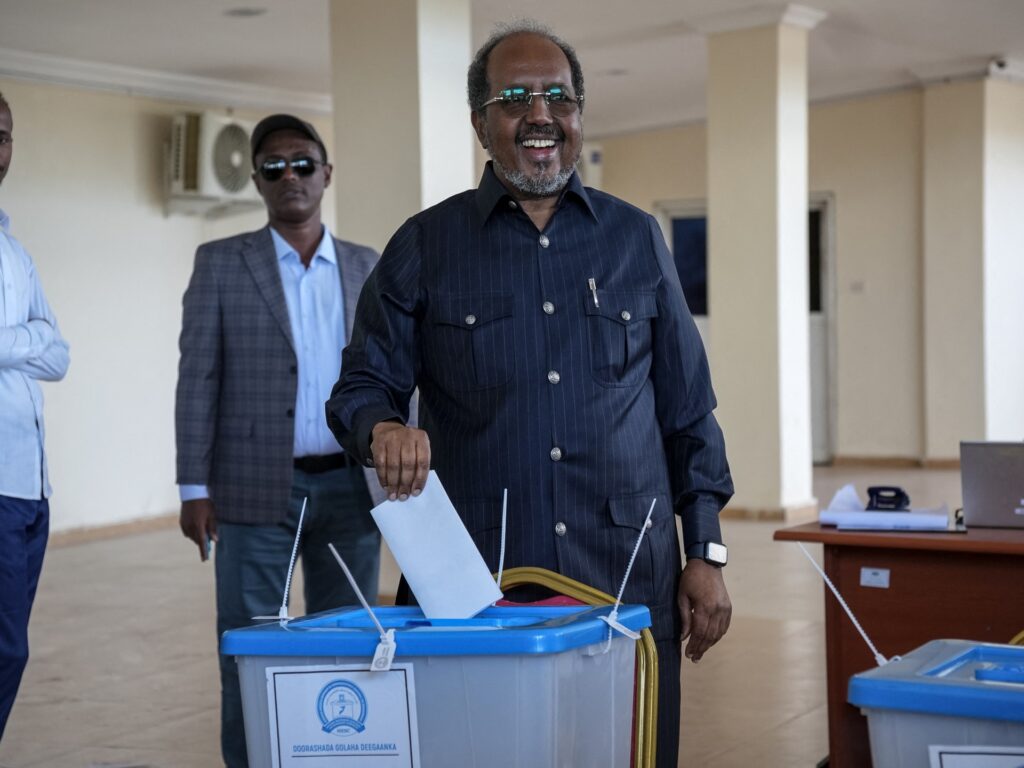
The Somali government has officially declared that national elections will be held in 2027, marking a significant political milestone for the East African nation. This announcement comes amid mixed reactions, with government officials expressing hope for a peaceful transition and critics warning of potential conflict.
Somalia, which has faced prolonged instability and civil unrest for decades, sees the 2027 elections as a critical step toward democratic governance and national unity. The government emphasizes the importance of this electoral exercise in strengthening democratic institutions and fostering inclusive political participation across the country.
Despite the government’s optimism, critics argue that the unilateral decision to set the election date without broader consensus among political stakeholders could escalate tensions. They point to Somalia’s complex clan dynamics and fragile political alliances, cautioning that failure to build inclusive dialogue around the electoral process might trigger disputes and violence.
Political analysts highlight that Somalia’s recent history has been marred by contested elections and delayed polls, which have often led to instability. Ensuring credible, transparent, and inclusive elections in 2027 will require extensive preparation, nationwide security arrangements, and cooperation among various political factions.
International partners and regional bodies have welcomed the announcement but stress the need for dialogue and consensus-building. Their support is conditional on inclusive political processes that engage all stakeholders, including opposition parties and civil society, to avoid exacerbating existing conflicts.
Security remains a paramount concern, with ongoing threats from extremist groups like Al-Shabaab complicating electoral logistics. The government must balance the imperative of holding elections with ensuring the safety of voters, candidates, and election officials.
In summary, Somalia’s announcement to hold elections in 2027 is a hopeful step toward stabilization and democratic progress. However, the success of this endeavor hinges on inclusive engagement, conflict mitigation efforts, and robust security measures to avert the potential for intensified conflict that critics fear.
As the nation looks toward 2027, the coming years will be crucial for political dialogue and preparations that could define Somalia’s path toward peace and democracy.