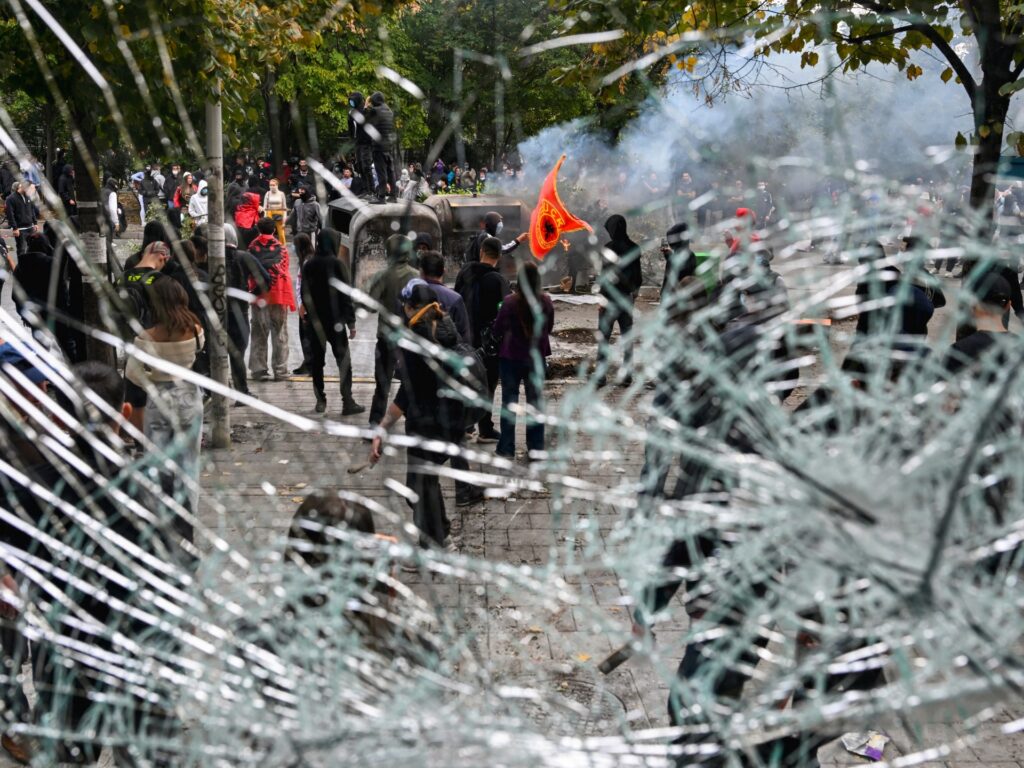
Albania is witnessing escalating unrest as student protests, initially sparked by concerns over education policies, continue to spread beyond the capital, Tirana, to other cities across the nation. The demonstrations have now entered their third consecutive day, signaling mounting public discontent.
Prime Minister Edi Rama has firmly dismissed any calls for his resignation, characterizing the ongoing protests as ‘chaos’ that threaten the country’s stability. His remarks underscore the administration’s position to maintain governance despite the pressure from students and opposition groups pressing for change.
The protests began with students voicing frustration over increased tuition fees, inadequate educational resources, and allegations of corruption within educational institutions. The movement quickly gained traction, drawing large crowds who marched through Tirana’s streets and later spreading into other urban centers.
Security forces have been deployed in key locations to manage protests, but officials report a largely peaceful atmosphere, although some clashes have been noted. Demonstrators have called for dialogue with the government to address their grievances and demand reforms that ensure equitable and quality education.
Critics argue that Prime Minister Rama’s government has been slow to respond to the issues raised by the youth and the broader population. They accuse the administration of ignoring systemic problems that contribute to economic difficulties and limited opportunities for young Albanians.
International observers have expressed concern over the stability of the region, urging all parties to engage in constructive dialogue to resolve tensions. The government faces the challenge of addressing not only immediate protest demands but also longer-term socioeconomic reforms.
Despite the intensity of the protests, Prime Minister Rama remains defiant, emphasizing his commitment to leading Albania through this turbulent period. His stance reflects a broader political style of resilience and resistance to political pressure, which has both supporters and detractors within the country.
The student movement continues to galvanize public opinion, highlighting the critical issues within Albania’s education sector and governance practices. As the protests evolve, the government’s response and ability to adapt will be crucial in determining the nation’s path forward.
The situation remains fluid, with the potential for escalated demonstrations if dialogue channels remain closed or progress is deemed insufficient by protest organizers. Analysts suggest that sustained unrest could affect Albania’s economic prospects and international standing.
In summary, Albania stands at a crossroads with its young population demanding change, a government maintaining its authority, and the broader society hoping for a peaceful resolution. How this conflict unfolds will significantly impact Albania’s future political and social landscape.