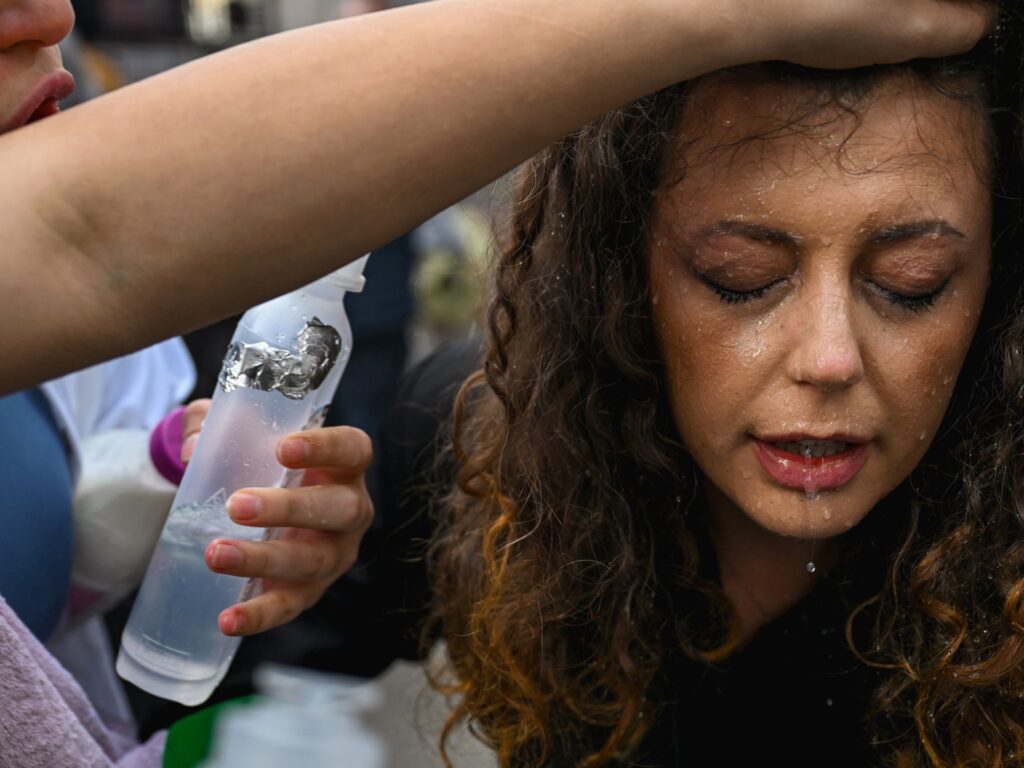
In recent months, Albania has witnessed a surge in student protests, capturing national attention and raising pressing questions about governance, education, and youth engagement. These protests are directly aimed at the government led by Prime Minister Edi Rama, reflecting a broader wave of dissatisfaction that extends beyond mere educational concerns.
The roots of the protests lie in several structural issues within the Albanian educational system. Students have voiced their frustrations over outdated infrastructures, insufficient funding, lack of transparency in university administration, and inadequate scholarships and financial support schemes. Many feel that their voices have been consistently ignored by authorities, leading to a buildup of anger and demand for tangible changes.
Experts analyzing the situation suggest that these protests are emblematic of a growing disconnect between the young population and the Albanian political leadership. The students’ grievances are not isolated; they mirror wider economic and social challenges facing the country, including high unemployment rates among youth, limited career opportunities, and a perception of endemic corruption.
The protest movement gained momentum following a series of government decisions perceived as neglectful or unsympathetic to student needs. Notably, cuts in education spending during economic hardships and proposals for reforms that appeared to prioritize bureaucratic efficiency over student welfare contributed to the unrest.
Public demonstrations have spread from university campuses to city streets in major urban centers like Tirana, Shkodra, and Durres. The youth-led actions include peaceful marches, sit-ins, and vocal campaigns on social media platforms, utilizing both traditional and modern channels to amplify their message.
Edi Rama’s administration, a key player in Albania’s progressive reforms over the past decade, now faces the challenge of addressing these demands while maintaining political stability. Critics argue that the government’s slow response and occasional dismissive rhetoric have only intensified the standoff. However, supporters highlight that systemic reforms require time and that investment in education infrastructure is ongoing.
International observers and human rights organizations have called for dialogue between students and officials to prevent escalation and to find common ground. They emphasize that ignoring young people’s concerns risks alienating an entire generation, potentially hindering Albania’s social development and its integration into broader European frameworks.
In the broader context, Albania’s student protests underscore a global phenomenon where youth activism plays a pivotal role in shaping policy and governance. From climate change to economic justice, young people increasingly demand accountability and engagement from their leaders.
As the situation unfolds, it remains critical for the Albanian government to listen attentively, address the core issues raised by students, and implement reforms that foster inclusivity and opportunity. Only then can the ‘boiling point’ be diffused into constructive dialogue and progress, ensuring Albania’s youth have a stake in the country’s future.