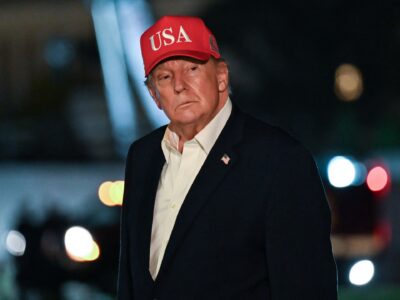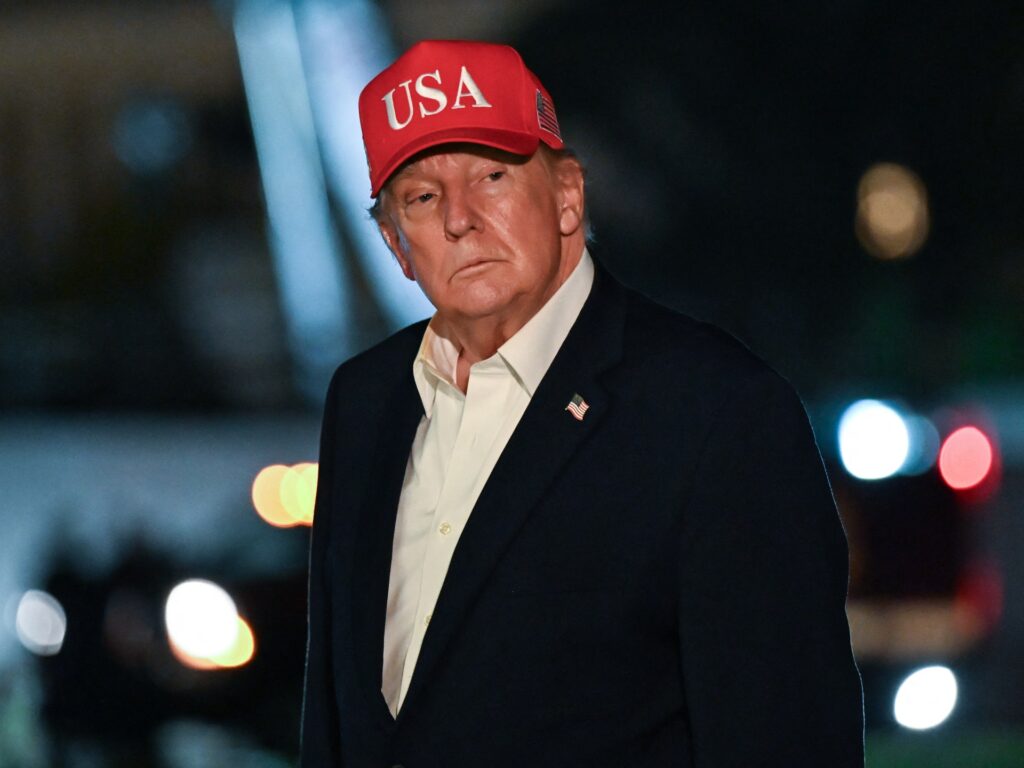
In a significant reversal of Pentagon plans, US President Donald Trump has announced that the execution of Nidal Malik Hasan, the Fort Hood shooter, will not be livestreamed. The Pentagon had initially planned to broadcast the execution publicly, a move that sparked widespread outcry and ethical concerns.
Nidal Malik Hasan, a former US Army major and psychiatrist, was convicted of the 2009 Fort Hood shooting, which resulted in the deaths of 13 people and injuries to more than 30 others. His case has remained one of the most notorious military shootings in modern US history.
The Pentagon’s original intention to livestream the execution was met with immediate criticism from various public figures, human rights organizations, and segments of the public. Critics argued that broadcasting such an event could be seen as glorifying violence and could cause additional trauma to the victims’ families.
President Trump, upon reviewing the backlash and ethical considerations, decided to intervene and reversed the decision, opting for a more traditional and private approach to carrying out the execution. This decision aligns with the administration’s broader stance on handling sensitive military and criminal proceedings with decorum.
The execution is expected to proceed without public broadcasting, respecting the dignity of all parties involved while ensuring that justice is served in accordance with the law.
This development highlights the ongoing debate surrounding the death penalty and the ethics of media coverage of such legal procedures. It also underscores the balancing act leaders must perform when addressing public safety, victims’ rights, and the potential impact on the national conscience.
This case will likely continue to attract attention as the execution date approaches, with advocacy groups and the public closely monitoring how justice is administered and represented in the modern media landscape.