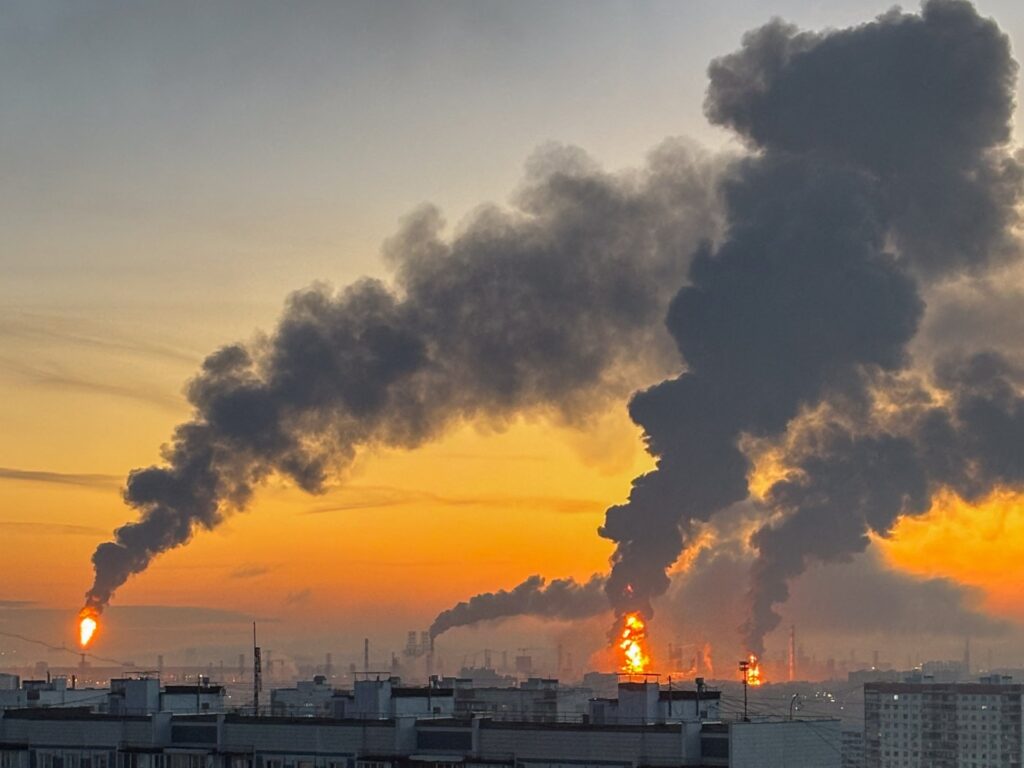
Tensions between Russia and Ukraine have escalated once again as Ukraine’s president declared that Kyiv is ‘done’ with the energy ceasefire, signaling a resumption of attacks on Russian oil refineries. This statement comes amid ongoing conflict and diplomatic strife between the two nations.
According to Russian officials, Ukrainian forces have resumed strikes targeting key oil refineries within Russian territory. These attacks represent a significant intensification of the conflict, with energy infrastructure being a critical and vulnerable component in the ongoing war.
The energy ceasefire had been a fragile arrangement intended to protect vital energy assets and maintain some level of stability in the region. However, the breakdown of this truce marks a turning point, raising concerns of further escalation across the energy sector.
Ukraine’s president’s announcement reflects a strategic decision to target Russia’s oil production capabilities, which could have far-reaching economic and military implications. The strikes aim to undermine Russia’s energy exports and pressure the government amid international sanctions and diplomatic isolation.
Russian officials have condemned the renewed attacks, asserting that these actions constitute a serious escalation and a violation of any prior agreements. Moscow has vowed to respond firmly, which could include military retaliation or increased security measures around critical infrastructure.
This development complicates the already volatile situation in Eastern Europe, where the conflict has caused significant humanitarian and geopolitical challenges. The international community is closely monitoring the situation, urging restraint and dialogue to avoid further destabilization.
Oil refineries play a vital role in fueling military operations and civilian economies alike. The targeting of these facilities by Ukraine underscores the strategic importance of energy in the broader conflict and highlights the risks of infrastructure warfare.
The consequences of the renewed attacks could include disruptions in energy supplies, price fluctuations in global oil markets, and increased security concerns for energy companies operating in the region.
As both sides prepare for potential further confrontations, the risk of broader regional instability looms large, emphasizing the importance of diplomatic efforts to prevent an all-out escalation.
In summary, Ukraine’s announcement to resume strikes on Russian oil refineries marks a new phase in the ongoing conflict, underscoring the fragility of ceasefires and the critical role of energy infrastructure in wartime strategies. The international community continues to call for peaceful solutions amid growing tensions and the risks posed to global energy security.