The ongoing stalemate between the United States and Iran has prompted significant discussion regarding the potential military options available to then-President Donald Trump. With the midterm elections approaching, Trump has publicly ruled out any direct military attacks before the voting, raising questions about what strategies might be pursued instead and the associated costs.
Analysts suggest that the Trump administration faces a complex calculus in balancing the desire to demonstrate strength against Iran with the risk of escalating a conflict that could negatively affect domestic political outcomes. The Iran situation remains tense, with previous incidents involving US and Iranian forces highlighting the volatile nature of their relations.
One option under consideration is increasing economic and diplomatic pressure on Iran, leveraging sanctions in a way that may stress the Iranian economy without triggering outright military confrontation. This approach would aim to limit Iran’s regional influence and its nuclear ambitions while avoiding the immediate risks of war.
Another possibility includes limited military actions such as targeted strikes on specific infrastructures tied to Iran’s military capabilities, like drone bases or missile storage facilities, designed to degrade Iran’s ability to project power without sparking a broader conflict.
However, military experts warn that even limited strikes carry the risk of retaliation by Iran, which could target US interests in the Middle East or disrupt global oil supplies, causing economic repercussions worldwide.
Moreover, an escalation could entangle the US in a prolonged conflict, demanding substantial military and financial resources, as well as potentially undermining coalition relationships, especially with European allies who favor diplomatic solutions.
The political cost for Trump also remains significant. A military engagement could energize his political opponents and alienate moderate voters, while inaction might be viewed as weakness by critics on the right.
Internationally, the US must consider the reactions of other key players such as Russia and China, who have strategic interests in the region and may see US action as an opportunity to expand their influence.
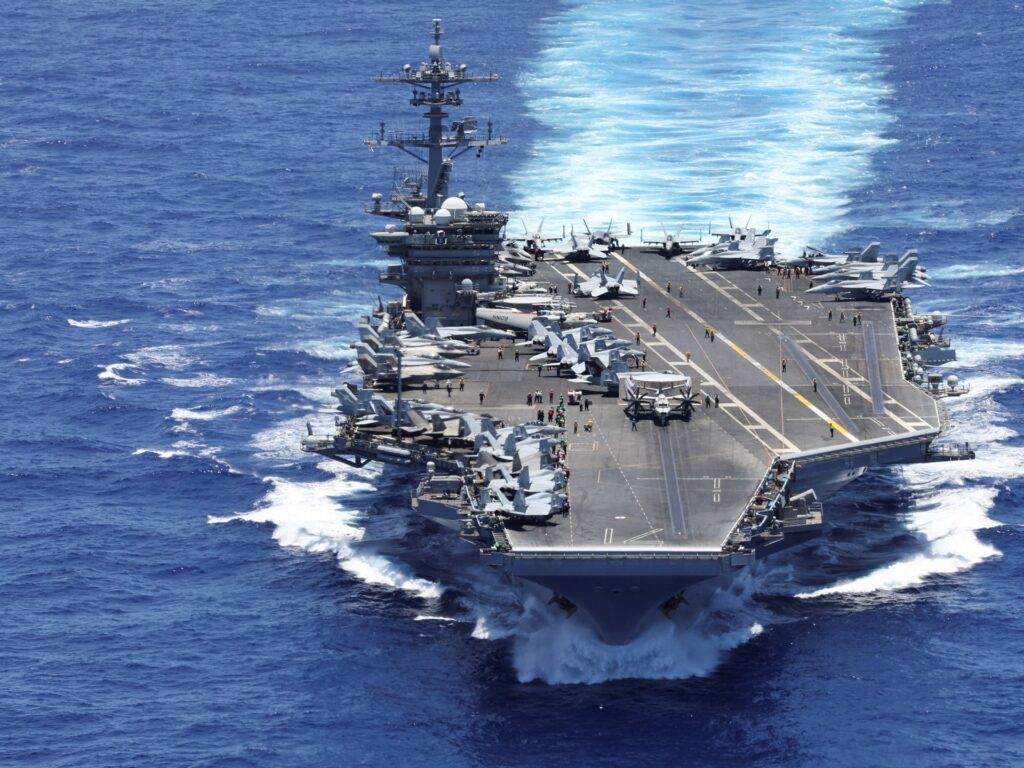
As the midterms approach, Trump’s administration appears to be weighing these factors carefully. The preferred course might be maintaining a strong military posture as a deterrent, coupled with intensified economic sanctions and diplomatic efforts, rather than initiating direct military conflict.
Analysts emphasize the importance of cautious decision-making given the fragile state of US-Iran relations and the potential for rapid escalation. The administration’s next moves will likely focus on maximizing pressure on Iran while avoiding actions that could trigger a full-scale war before the elections.
In summary, Trump’s military options are constrained by both political timing and the complex dynamics of Middle Eastern geopolitics. While military intervention remains a tool on the table, the administration is likely to proceed with restraint, favoring measures that apply pressure yet avoid immediate confrontation, understanding the high stakes involved for both regional stability and US domestic politics.