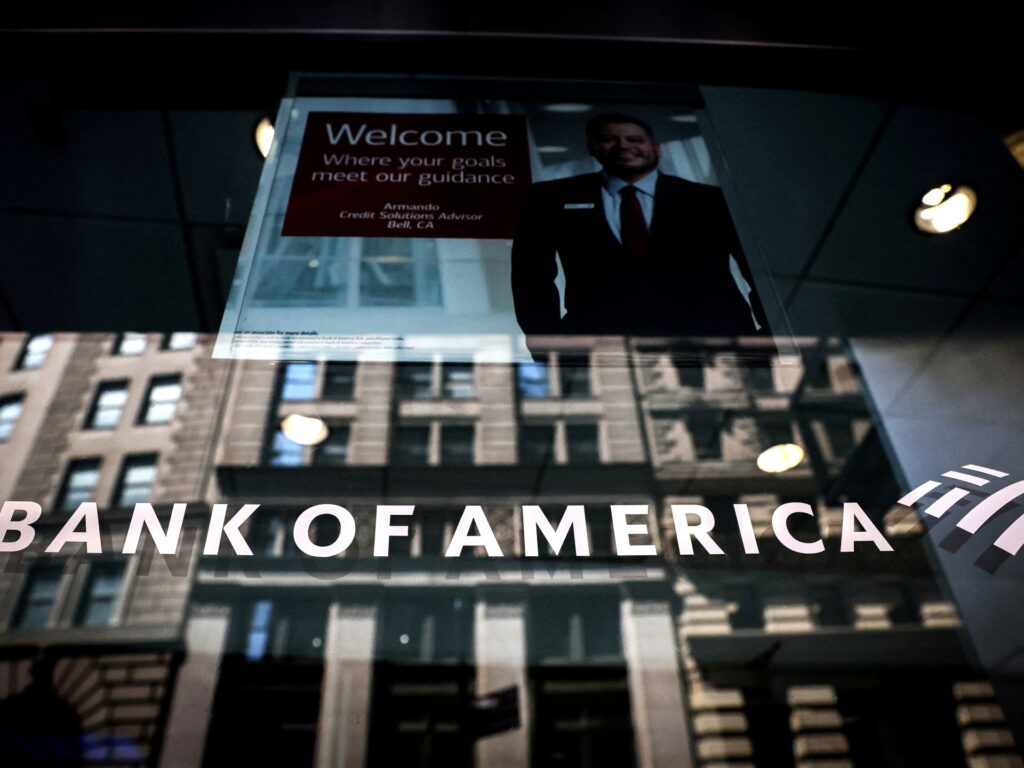
In a significant development, Bank of America, the second-largest bank in the United States, has been fined a staggering $1.2 billion for failing to comply with money laundering and sanctions laws. This represents one of the largest penalties ever imposed on a US financial institution for such violations, highlighting the growing regulatory crackdown on financial misconduct.
The penalties stem from multiple investigations that uncovered serious deficiencies in the bank’s internal controls and compliance programs. Regulators found that Bank of America did not adequately monitor transactions to detect and prevent illicit money flows. This allowed unlawful activities, including money laundering and sanctions breaches, to occur without detection or timely intervention.
Money laundering involves disguising the origins of illegally obtained money to make it appear legitimate. Sanctions violations pertain to improper dealings with individuals, entities, or countries subject to US government restrictions. Both offenses pose significant risks to the financial system’s integrity and national security.
According to regulatory reports, the bank failed to properly flag suspicious transactions, inadequately screened clients against updated sanctions lists, and did not fully adhere to required due diligence procedures. The violations spanned a number of years and affected numerous transactions globally.
Bank of America has pledged to cooperate with authorities and implement sweeping reforms to strengthen compliance infrastructure and prevent future violations. These include enhancing transaction monitoring systems, increasing staff training, and tightening know-your-customer (KYC) rules.
The $1.2 billion penalty includes civil fines and forfeitures. It sends a stern message to financial institutions about the importance of rigorous compliance with anti-money laundering (AML) and sanctions regulations. Regulatory agencies have intensified oversight and are expected to continue imposing hefty fines to deter violations and protect the financial system.
Industry experts note that such enforcement actions underscore the critical role banks play in combating financial crime. They call on banks to invest substantially in compliance technology and frameworks, as regulators are increasingly sophisticated in detecting irregularities.
This landmark case against Bank of America follows similar costly settlements by other major banks in recent years. It reflects a broader trend of escalated enforcement, as governments worldwide seek to clamp down on illicit finance and ensure the global banking system is not exploited by criminals or sanctioned entities.
The penalty imposes not only a financial burden on Bank of America but also reputational risk. Customers, investors, and partners closely watch such developments, emphasizing the need for banks to uphold the highest standards of legal and ethical compliance.
In conclusion, the $1.2 billion fine levied on Bank of America for money laundering and sanctions violations marks a pivotal moment in financial regulation enforcement. It highlights the critical importance of vigilance, transparency, and accountability in the banking sector to safeguard against illicit financial activities and maintain trust in the global financial system.