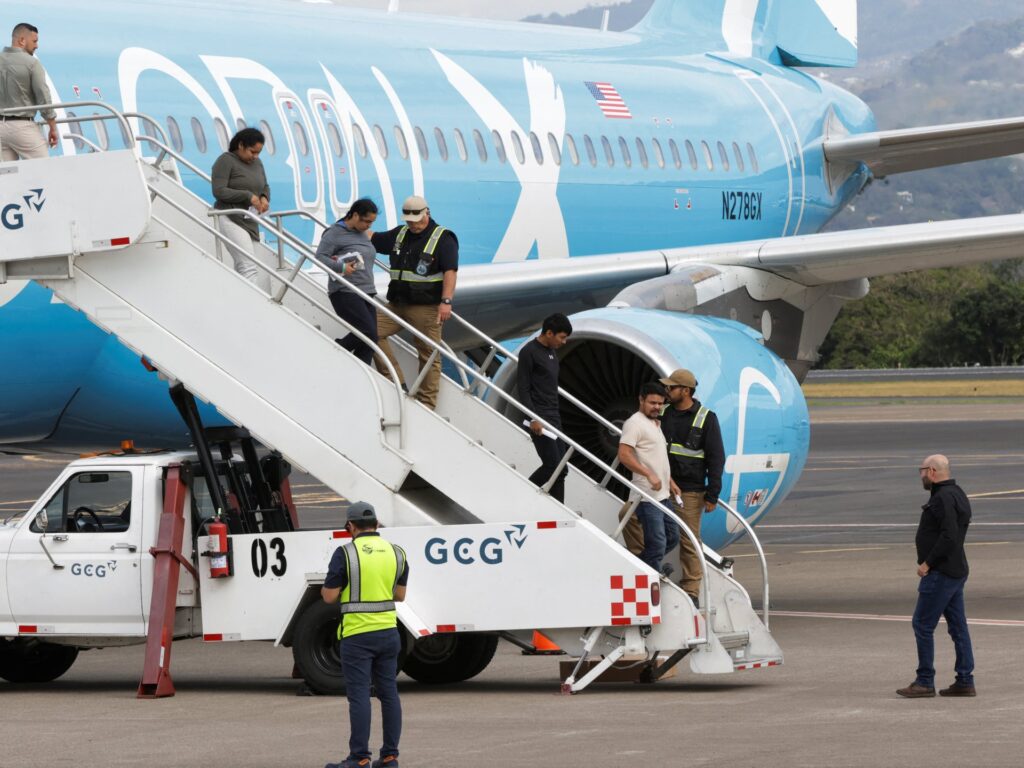
Jamaica has recently accepted the first flight of third-country deportees from the United States, marking a significant development in the ongoing migration and deportation dialogue between the two nations. This new arrangement involves the deportation of individuals who have been residing in the US but hold Jamaican nationality or residency status in a third country, and Jamaica has now agreed to receive them back on its soil.
This development stems from a deportation deal agreed upon during the Trump White House administration. However, the agreement has raised considerable controversy and debate within Jamaica, particularly among opposition leaders. They have expressed strong reservations about the lack of transparency surrounding the deal. These leaders question why the terms and conditions of the deportation arrangement have not been made public, arguing that the Jamaican public deserves to be fully informed about agreements that have such significant social and political implications.
The opposition’s concerns center around several key points. Firstly, they worry about the effects of these deportations on Jamaica’s social services and infrastructure. The return of deportees, many of whom may face challenges reintegrating into Jamaican society, could place additional strain on the country’s resources. Secondly, there is unease about the legal and human rights aspects of the deportations, particularly regarding the treatment of deportees and the procedures used to determine their removal from the US.
In response, government officials have assured that the deportation process is conducted in line with international laws and that measures are being taken to support the reintegration of deportees into local communities. They also emphasize the importance of the deal in managing migration flows and maintaining diplomatic relations with the United States.
The acceptance of third-country deportations signals a new chapter in Jamaica-US relations, reflecting broader international challenges related to migration, security, and bilateral cooperation. The situation continues to unfold as the Jamaican government navigates the complexities of balancing migrant rights, domestic concerns, and diplomatic interests.
Moving forward, calls for greater transparency and public dialogue on the deportation agreement are likely to intensify. Jamaica stands at a crossroads, faced with the need to address the immediate social impacts of the returnees while affirming its commitment to upholding human rights and protecting its citizens.
This development highlights the broader trend of countries reconsidering their deportation policies in a complex global context, where migration is closely linked to security, economic, and humanitarian issues. Jamaica’s experience with this third-country deportation flight from the US may serve as a case study for other nations grappling with similar challenges in the years ahead.