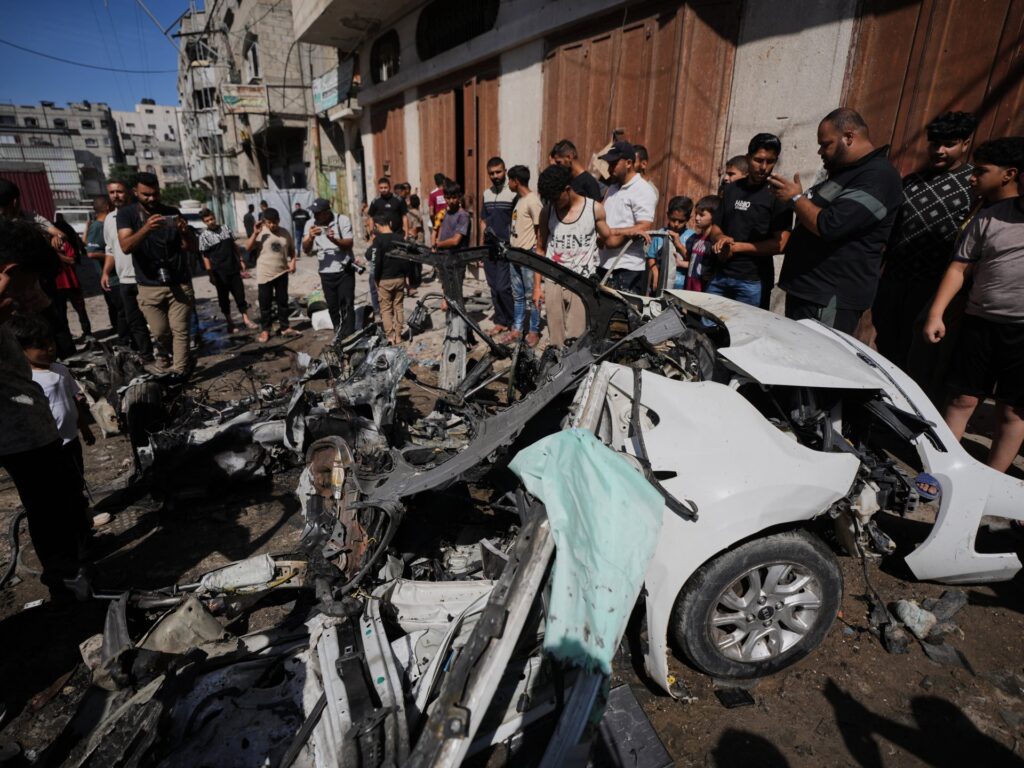
A year into the ceasefire between Israel and Palestinian territories, tensions continue to simmer as Israeli forces maintain control over nearly two-thirds of Gaza. Recent attacks resulted in the death of one individual in Gaza and injuries to several journalists in the occupied West Bank, highlighting the ongoing volatility in the region.
The ceasefire, which began a year ago, was initially intended to bring a period of calm and stability. However, despite the formal truce, the situation on the ground remains precarious. Israeli forces continue to exert significant control over Gaza, with nearly two-thirds of the territory under their administration. This has caused considerable concern among Palestinian residents and international observers who fear the erosion of Palestinian autonomy.
Adding to the tension, Israeli Prime Minister Benjamin Netanyahu has declared a firm stance on maintaining and extending Israeli control, explicitly vowing to assert authority over the West Bank. This statement signals a potential escalation in policies and military actions in the area, further complicating prospects for peace.
The recent events have been marked by violence that has affected not only civilians but also members of the press. Several journalists covering the conflict in the West Bank were wounded during Israeli military operations, raising alarms about press freedom and the safety of journalists reporting in conflict zones.
The death toll and injuries among civilians and journalists underscore the complex and dangerous environment in which the ceasefire exists. Observers note that while large-scale hostilities have abated, smaller skirmishes and military operations persist, contributing to a cycle of violence and retaliation.
Human rights organizations have condemned the attacks on journalists and have called for greater protections to ensure that they can operate without fear of harm. The targeting of the media is seen as a serious violation of international norms and exacerbates the humanitarian crisis in the region.
The strategic significance of Gaza, coupled with Netanyahu’s political declarations, suggests that the control over Palestinian territories will remain a contentious and deeply divisive issue. The international community faces increasing pressure to mediate and find a sustainable solution that respects the rights and aspirations of both sides.
For Palestinians living in Gaza and the West Bank, the promise of peace remains elusive. The daily realities of military occupation, restricted movement, and violence weigh heavily on communities striving for stability and normalcy.
As the anniversary of the ceasefire passes, questions loom about the future trajectory of Israeli-Palestinian relations. Whether through diplomacy or continued conflict, the path forward will require nuanced negotiations and a commitment to addressing the underlying issues fueling the dispute.
In summary, the tragic killing in Gaza, the injury of journalists in the West Bank, and Netanyahu’s vow to control Palestinian territories highlight an ongoing conflict characterized by military dominance, political tensions, and human suffering. The peace that many hoped for a year ago remains fragile, underscoring the urgent need for renewed efforts towards reconciliation and justice in the region.