The Democratic Republic of Congo (DR Congo) continues to battle its deadliest Ebola outbreak as the number of cases has now surpassed 9,000. The outbreak, driven by the Bundibugyo strain of the Ebola virus, has overwhelmed local health efforts and is proving difficult to contain. Health authorities and aid organizations have intensified response measures, but persistent mistrust within affected communities has severely hindered efforts to curb the virus transmission.
The current epidemic, which is the deadliest in DR Congo’s history, began when cases linked to the Bundibugyo strain were first identified. This strain is known for its high virulence and rapid transmission rate, contributing to widespread infections across several provinces in eastern DR Congo. The extensive reach of the outbreak has put immense pressure on the already fragile healthcare infrastructure of the region.
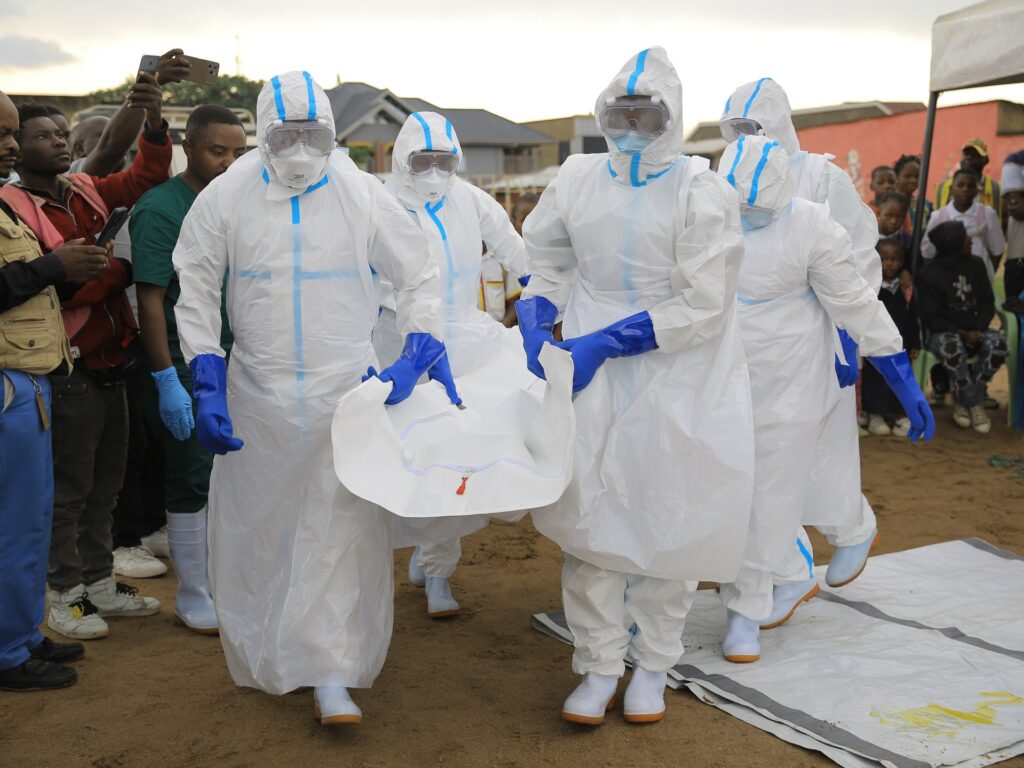
Medical teams deployed to affected areas are encountering significant challenges beyond the medical aspect of the crisis. Community members, suspicious of external intervention and skeptical of health workers, have often resisted vaccination campaigns and treatment efforts. This mistrust has not only slowed down containment measures but has also led to underreporting of cases and unsafe burial practices, further exacerbating the spread of the virus.
International organizations, including the World Health Organization and Médecins Sans Frontières, have stepped in to support the local response. They are working closely with Congolese authorities to improve surveillance, increase vaccination coverage, and raise community awareness about Ebola prevention and treatment. Despite these efforts, attacks on health workers and disruptions of vaccination campaigns continue to impede progress.
Experts warn that if community engagement does not improve and transmission is not effectively controlled, the outbreak could persist for months or longer, with devastating consequences for the population. The mortality rate remains high, and the need for a coordinated, culturally sensitive response is critical.
The current epidemic underscores the complex nature of infectious disease outbreaks in regions facing political instability and social fragmentation. Addressing the Ebola crisis in DR Congo requires not only medical and logistical support but also rebuilding trust between health authorities and local communities. Only through sustained collaboration and mutual understanding can the spread of Ebola be halted and the threat to public health minimized.
Efforts continue amid a challenging environment, with hopes that increased community involvement and targeted interventions will ultimately curtail the outbreak and save lives.