The ongoing conflict in the Middle East has taken a dramatic turn as the Houthi movement issued threats targeting key Saudi infrastructure, including Saudi Aramco facilities and several airports. This escalation follows a recent evacuation order by the Saudi-led coalition, underscoring the heightened tensions and dangers in the region.
Reports indicate a series of explosions in Sanaa, the Yemeni capital controlled by the Houthis, shortly after the coalition’s evacuation directive. These blasts are believed to be part of the Houthis’ strategic response to the coalition’s movements.
The Houthis have vowed a ‘harsh’ retaliatory campaign against Saudi Arabia, signaling potential further assaults on vital economic and transportation hubs. Saudi Aramco, the world’s largest oil producer, is a critical asset for the Saudi economy and global energy markets. Any disruption to its operations could have widespread international repercussions.
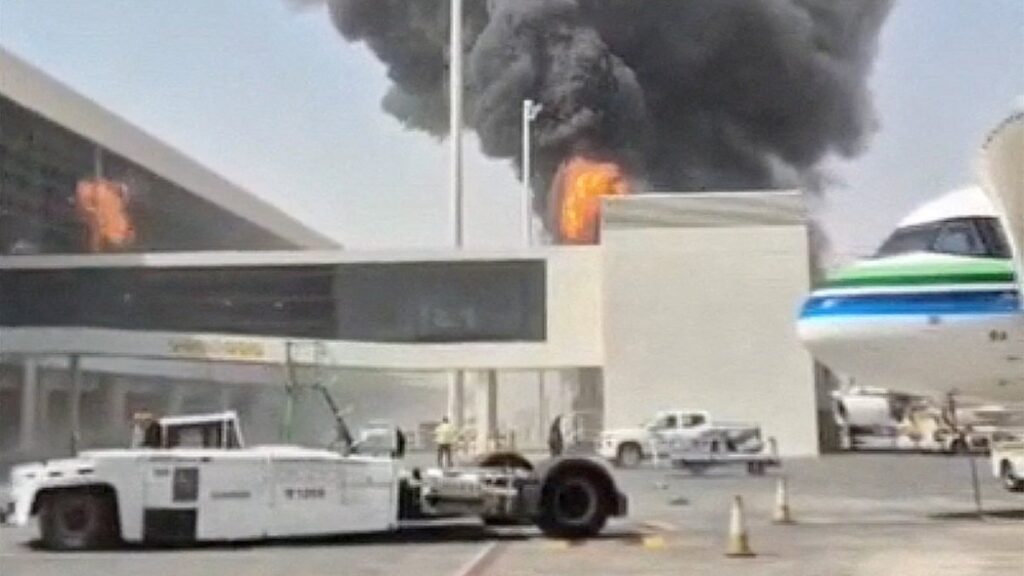
Airports, crucial for both civilian travel and military logistics, are also under threat. Attacks on these facilities could complicate evacuation efforts and hamper the coalition’s operational capabilities in the region.
This conflict marks a significant escalation in the Yemeni crisis, which has seen protracted warfare since 2014, resulting in a severe humanitarian crisis. The international community has expressed concern over the rising hostilities and their impact on regional stability.
Saudi Arabia’s coalition has been involved in Yemen aiming to restore the internationally recognized government, oppose the Houthi insurgency, and curb Iranian influence in the area. The Houthis, in contrast, have consolidated control over large parts of Yemen and resist coalition advances.
The current threats from the Houthis raise concerns about the safety of civilians and the security of critical infrastructure in Saudi Arabia. The potential for retaliatory strikes could escalate violence further, risking greater destruction and loss of life.
Experts warn that these developments could lead to a wider regional conflict if diplomatic solutions are not pursued promptly. They urge all parties to exercise restraint and prioritize humanitarian considerations.
Meanwhile, Saudi authorities are reportedly heightening security measures around vulnerable sites to prevent any successful attacks. Regional allies and global partners are monitoring the situation closely, prepared to respond to any escalation that might impact international security.
The situation remains fluid and highly volatile, with each escalation threatening to deepen the conflict and exacerbate the suffering of civilians caught in the crossfire. Peace talks and ceasefire agreements remain distant prospects as trust between the warring factions continues to erode.
As the conflict intensifies, the international community faces mounting pressure to intervene diplomatically to mitigate further violence and foster a path toward sustainable peace in Yemen and the broader Middle East region.