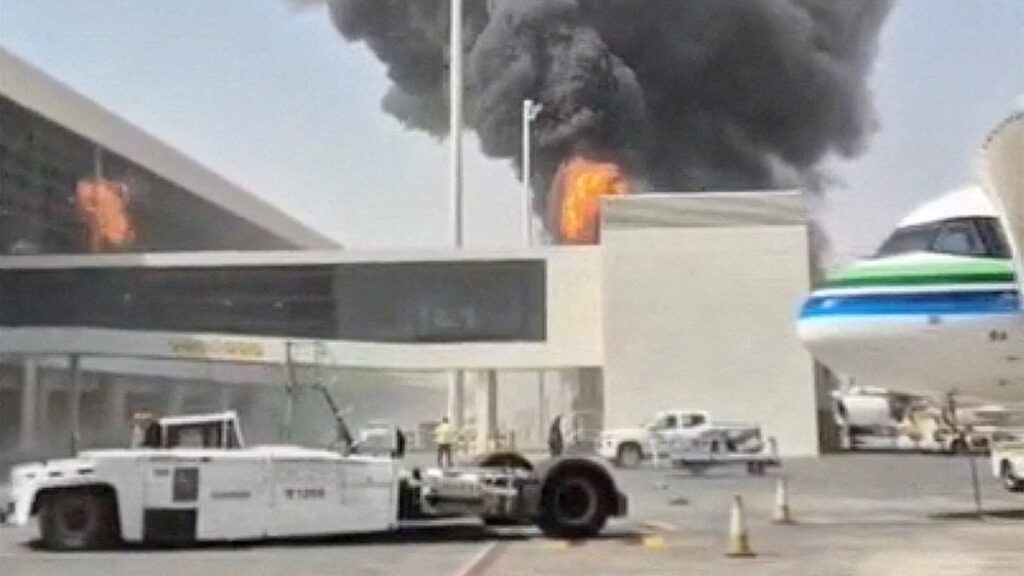
The ongoing conflict in the Middle East has taken a new turn as the Houthi movement in Yemen has issued threats targeting Saudi Arabia’s vital Aramco oil facilities and major airports. This development comes shortly after a series of explosions were reported in the Yemeni capital, Sanaa, intensifying the regional security concerns.
In a coordinated response to the volatile situation, the Saudi-led coalition recently announced an evacuation order, signaling heightened tensions and the potential for escalating military actions. The Houthis, a key faction in the Yemeni civil war, have warned that any aggression will be met with a ‘harsh’ response, underscoring the fragility of the ceasefire agreements and diplomatic efforts in the region.
The explosions in Sanaa, which occurred soon after the coalition’s evacuation directive, have raised alarms about the security situation on the ground and the possibility of increased retaliatory strikes. Analysts suggest that these developments could destabilize the already fragile political landscape in Yemen and exacerbate tensions between Riyadh and the Houthi rebels.
Saudi Arabia’s Aramco facilities, being central to the global oil supply, represent a critical vulnerability. Targeting such infrastructure could have wide-ranging implications beyond the immediate conflict, potentially affecting global oil markets and economic stability. The airports mentioned in the threats serve as vital hubs for both commercial and military operations, making them strategic points of concern.
The international community has expressed grave concern over the escalating threats and violence. Calls for renewed diplomatic engagement and de-escalation efforts have been urged to prevent further deterioration of security in the region. Humanitarian organizations also warn of the potential for increased civilian suffering amidst the possibility of intensified conflict.
This latest exchange of threats and attacks reflects the complex and multifaceted nature of the Yemen conflict, involving various regional and international stakeholders. The situation remains fluid, with the potential for further developments that could impact regional stability and global economic interests.
As the Houthis continue to posture their military capabilities and Saudi Arabia evaluates its defensive measures, the eyes of the world remain focused on the Arabian Peninsula. The coming days and weeks will be critical in determining whether diplomatic channels can prevail or if the conflict will escalate into more widespread violence.