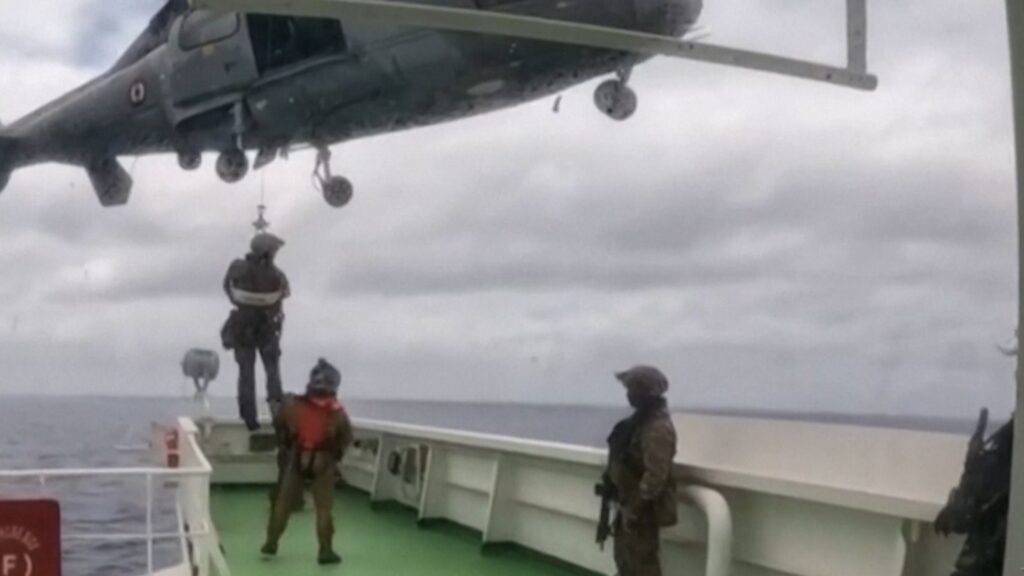
In a recent development, French authorities have seized a tanker suspected of being part of Russia’s so-called “shadow fleet.” This move comes amid heightened scrutiny of maritime activities linked to Russia in the context of ongoing geopolitical tensions. The tanker, whose exact identity and cargo specifics have not been disclosed, is believed to be involved in covert operations possibly bypassing international sanctions.
The shadow fleet refers to a network of vessels allegedly used by Russia to covertly conduct shipping activities, often linked to the evasion of sanctions imposed by Western countries. These ships often operate under flags of convenience, change names and ownership registrations frequently, and use various tactics to obscure their true activities and affiliations.
France’s decisive action is part of ongoing efforts by European nations to enforce sanctions and uphold international maritime law. Authorities have stated that the seizure was conducted following intelligence that connected the tanker to illicit activities, including potential sanction evasion and illegal transfer of goods.
The maritime sector has become a focal point in the broader conflict involving Russia, with many countries increasing their vigilance over vessels suspected of shadow fleet operations. The European Union and its allies have tightened regulations and monitoring to intercept such ships to cut off resources and supplies that may contribute to the conflict.
This incident highlights the complex challenges faced by nations trying to enforce sanctions in a global shipping industry characterized by complex ownership structures and sophisticated methods of obfuscation. It also underscores the importance of international cooperation in combating illegal shipping practices and maintaining the rule of law at sea.
Officials have not yet revealed the next steps for the seized tanker, including whether it will be detained indefinitely or handed over for further investigation. The identity of the crew and their legal status also remain under investigation.
The seizure has been met with varied responses on the international stage, reflecting ongoing tensions between Russia and Western countries. Russian officials have previously denied the existence of a shadow fleet and dismissed similar allegations as politically motivated.
Meanwhile, European officials assert that such operations undermine global security and the international rules-based order. They emphasize that robust enforcement actions, including vessel seizures, are necessary to maintain pressure on entities circumventing sanctions.
The event marks a significant instance of maritime enforcement in the escalating geopolitical conflict, potentially setting a precedent for future actions against vessels suspected of sanction evasion or illicit operations. It also serves as a reminder of the strategic importance of maritime control in global geopolitical dynamics.
As investigations continue, the case of the seized tanker will likely be monitored closely for further developments that could have implications for international maritime security, economic sanctions enforcement, and diplomatic relations among the involved nations. The evolving situation underscores the intricate connection between maritime strategy and international politics in the current global landscape.