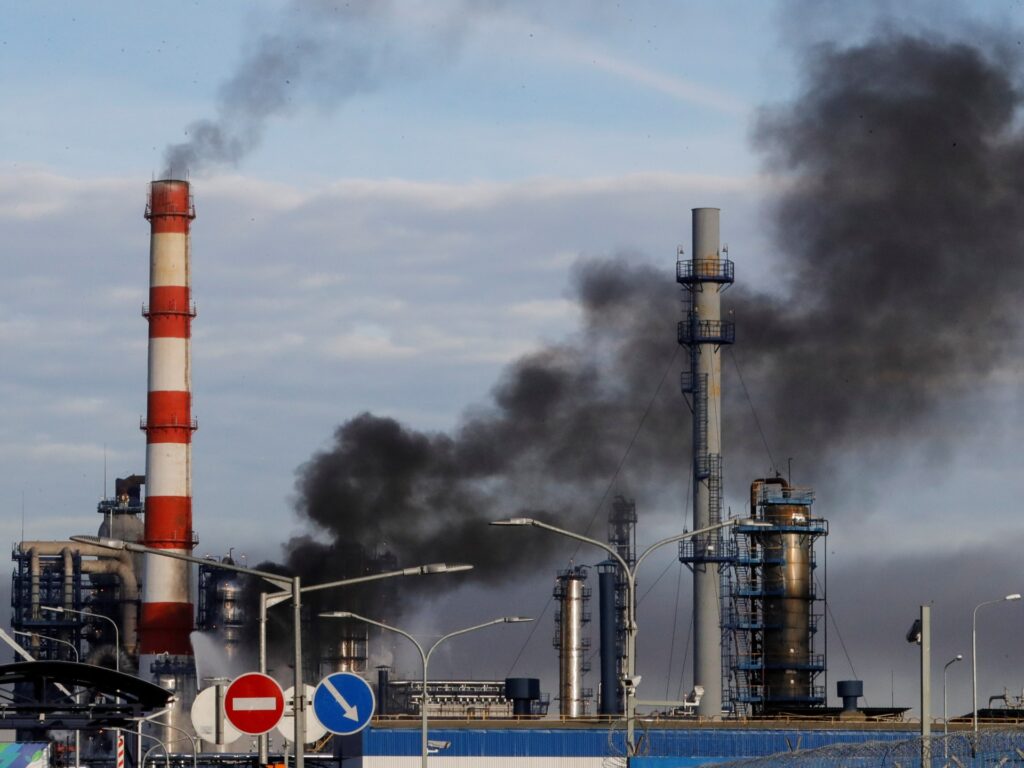
The intricate dynamics of former President Donald Trump’s stance on Russian oil have come under intense scrutiny recently, spotlighted by what has been termed an ‘energy ceasefire’. This term encapsulates Trump’s seemingly contradictory approach towards Russian energy resources amidst a period of global turbulence characterized by diesel shortages and rising consumer costs.
At the heart of this controversy is Trump’s apparent tolerance, if not tacit endorsement, of continued Russian oil exports despite the ongoing conflict involving Russia. Critics argue that this stance effectively supports Russia’s war efforts by providing continued revenue streams vital for sustaining its military operations. Such a position has ignited fierce debate among policymakers, energy experts, and the public alike, who are concerned about the ethical as well as economic implications.
Trump’s posture can be understood through several lenses. Firstly, the practical realities of global energy markets have constrained the options available to the US and its allies. The worldwide shortage of diesel and other fossil fuels has put upward pressure on prices, adversely impacting consumers and industries. Maintaining some level of engagement with Russian energy suppliers may be viewed as a pragmatic measure to temper these high costs and mitigate supply disruptions.
Secondly, there is the geopolitical calculus. Trump’s approach diverges from more hawkish policies that call for rigorous sanctions and a complete cut-off of Russian energy imports. By opting for what he terms an ‘energy truce,’ Trump arguably seeks to balance the competing interests of supporting Ukraine and avoiding exacerbating global energy instability that could ripple back to economically harm the US.
This balancing act, however, has not been without backlash. Detractors accuse Trump of prioritizing short-term economic benefits over long-term strategic and moral considerations. They underline how continued financial inflows into Russia’s coffers might embolden its military aggression and prolong the conflict. Conversely, supporters claim that insulating domestic markets from volatile energy shocks ultimately safeguards American consumers.
Additionally, Trump’s personal and political history adds nuance to this debate. His business background in industries sensitive to energy prices and his often transactional view of foreign policy inform his preference for pragmatic deals over ideological purity. This pragmatic streak is seen as a hallmark of his leadership style and influences his posture on Russian energy.
As the world grapples with the wider implications of this energy ceasefire, the dialogue underscores the challenges of navigating energy security, ethical foreign policy, and economic stability simultaneously. It forces a reckoning with questions about how to effectively penalize aggression without unintended collateral damage to global energy markets and consumers.
In summary, Trump’s complex, love-hate ties to Russian oil are emblematic of broader tensions in international relations during times of crisis. They highlight the dilemma of enforcing geopolitical principles while confronting the gritty realities of energy dependencies and economic impacts. This ongoing saga remains a focal point as global leaders and citizens alike seek solutions to one of today’s most pressing international challenges.