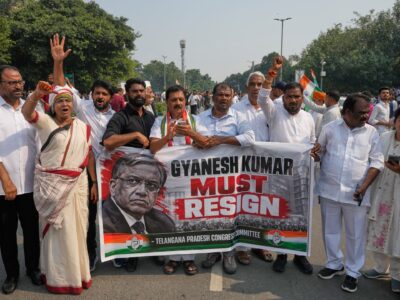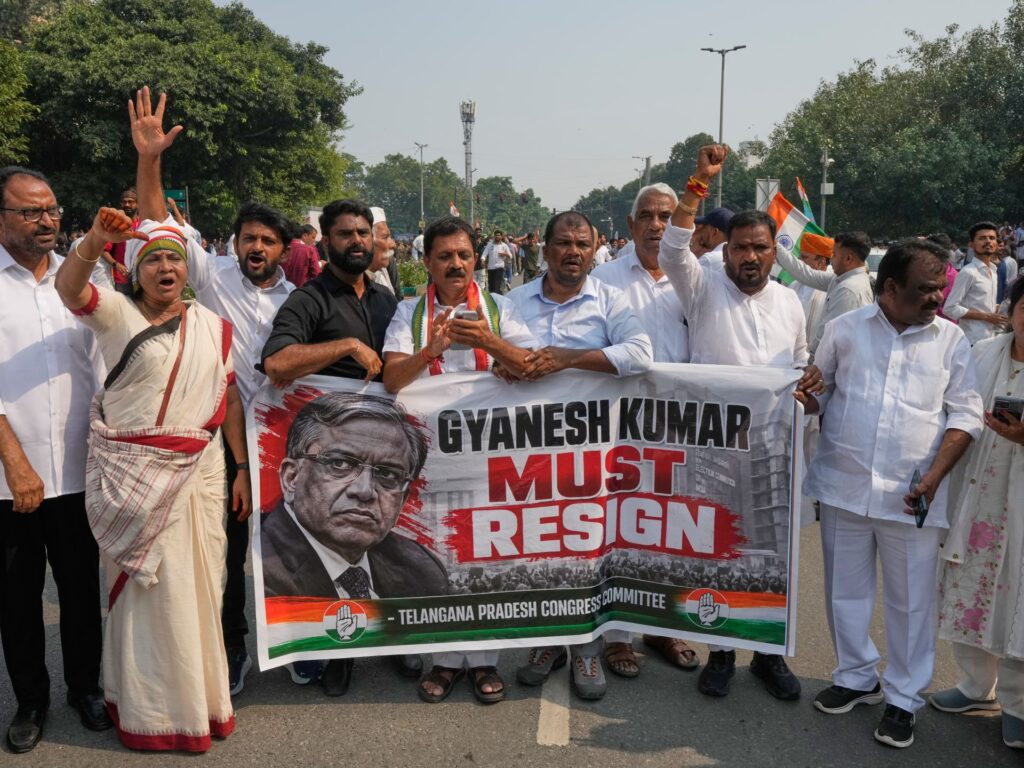
In a significant political development, India’s main opposition party, the Congress, has launched a mass protest rally marching to the Supreme Court. The demonstration centers on accusations of ‘vote theft,’ which the party claims have compromised the integrity of recent elections. This strong reaction underscores the high tensions in the country’s political landscape.
The Congress party has publicly demanded the removal of the Chief Election Commissioner (CEC), alleging bias and mishandling of the electoral process. According to party leaders, the CEC has not upheld the impartiality expected in managing free and fair elections, which has led to widespread distrust among opposition groups.
This protest marks a critical escalation in the ongoing political discourse surrounding electoral transparency and democracy in India. The opposition contends that significant irregularities occurred during the last electoral cycle, affecting voter turnout and vote counting processes critical to the democratic mandate.
The march to the Supreme Court is strategic, aiming to pressure the judiciary to intervene and investigate these claims. Opposition leaders argue that the Supreme Court holds the constitutional authority to ensure that the election commission operates independently and without political influence.
Public response to the protest has been mixed, with supporters praising the opposition for standing up against what they describe as authoritarian practices, while critics argue that the move is politically motivated and could destabilize governance at a crucial time.
Analysts observe that the protest could have far-reaching implications for India’s political climate. It may prompt a broader conversation about electoral reforms, transparency mechanisms, and the role of watchdog agencies in safeguarding democratic processes.
The government has so far refrained from commenting extensively on the protests, instead urging calm and adherence to legal channels for dispute resolution. Officials maintain that the election commission functions according to established laws and procedural norms designed to ensure fairness.
Legal experts say that while the Supreme Court can take suo-motu action or hear petitions related to electoral issues, direct intervention to remove the Chief Election Commissioner would require substantial evidence and constitutional procedures.
This event highlights the dynamic and often contentious nature of Indian democracy, where political parties frequently engage in vigorous debate over electoral fairness and governance ethics. The outcome of this protest could influence future elections and the public’s trust in democratic institutions.
As the protest unfolds, all eyes will be on the Supreme Court’s response and the government’s approach to addressing the opposition’s concerns, which are likely to shape the trajectory of India’s political environment in the near term.