Pakistan’s political landscape recently witnessed a significant development with the imposition of emergency and governor rule in the province of Khyber Pakhtunkhwa (KP), a region previously governed by Imran Khan’s Pakistan Tehreek-e-Insaf (PTI). This administrative action marks a pivotal moment, reflecting the complexities of provincial governance and federal-provincial relations in Pakistan.
Emergency rule in Pakistan enables the federal government to intervene directly in a province’s administration when the provincial government is deemed incapable of maintaining law and order or facing severe governance failures. Under this framework, the constitution grants the federal government the authority to suspend the provincial government’s powers temporarily, effectively placing the province under direct control from Islamabad.
Governor rule, a subset of emergency measures, involves the appointment of the provincial governor as the chief administrative authority, replacing the elected provincial government. This governor acts on behalf of the federal government to oversee the province’s governance, ensuring stability and continuity of administrative functions during the interim period.
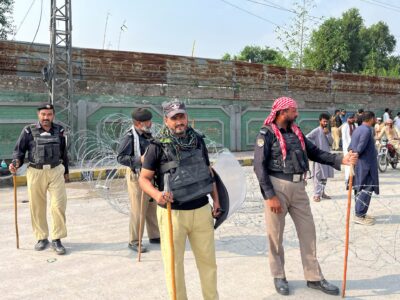
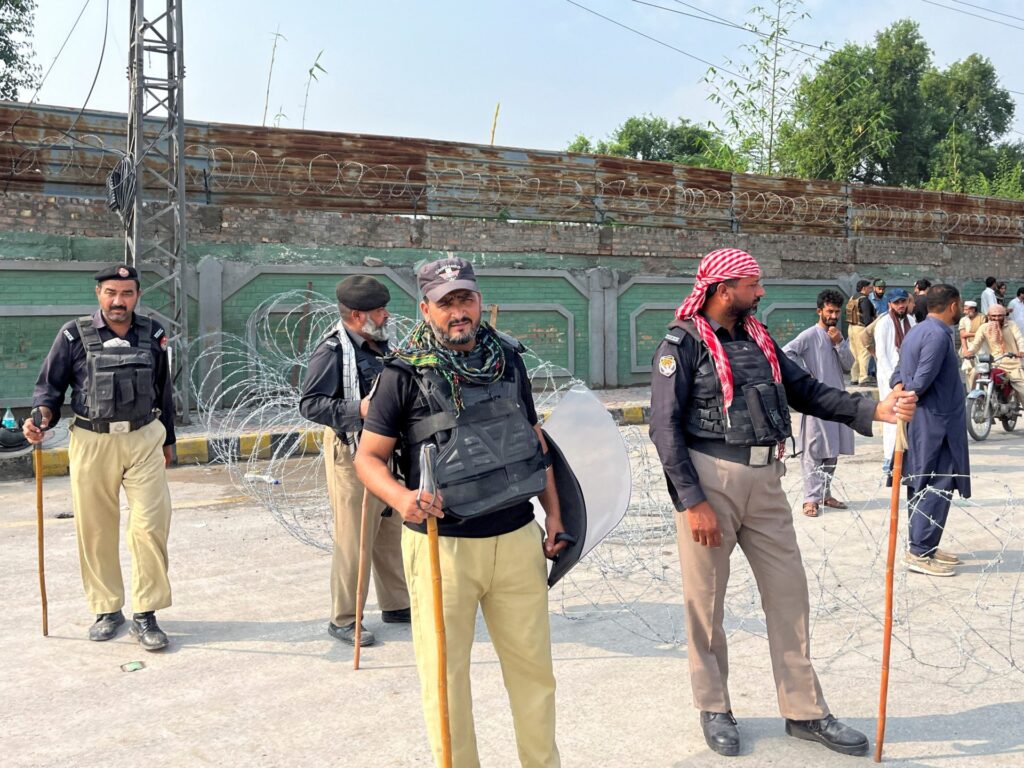
In the case of Khyber Pakhtunkhwa, the federal government’s move to impose these measures stems from escalating political tensions and challenges to governance faced by the PTI-led provincial administration. Reports suggest concerns about law and order, political discord, and administrative paralysis contributed to the decision.
The immediate impact of emergency and governor rule includes the suspension of the provincial assembly’s activities and the concentration of executive powers with the governor. This transition aims to restore order, implement necessary reforms, and create an environment conducive to political stability.
For the citizens of Khyber Pakhtunkhwa, these changes could mean a period of adjustment as the federal government directly manages provincial affairs. While this might offer short-term stability, it also raises questions about democratic representation and provincial autonomy during the period of direct rule.
Politically, this move signals a recalibration of power dynamics within Pakistan, highlighting the federal government’s willingness to assert control over provinces amid governance concerns. It also adds a layer of tension between the PTI and the current federal administration, potentially influencing the broader political discourse leading into future elections.
Moving forward, the duration of emergency and governor rule in KP will depend on the restoration of stable governance and security conditions. The federal government may initiate steps to reform provincial institutions, hold dialogues with political stakeholders, and prepare the province for a return to democratic governance.
In conclusion, the imposition of emergency and governor rule in Khyber Pakhtunkhwa represents a critical intervention by Pakistan’s federal government aimed at addressing immediate governance challenges in the province. While it provides a mechanism to restore order and manage administrative functions, it also underscores ongoing political complexities and the delicate balance of power within Pakistan’s federal structure. The developments in KP will be closely watched as indicators of the country’s political trajectory and the health of its democratic institutions.