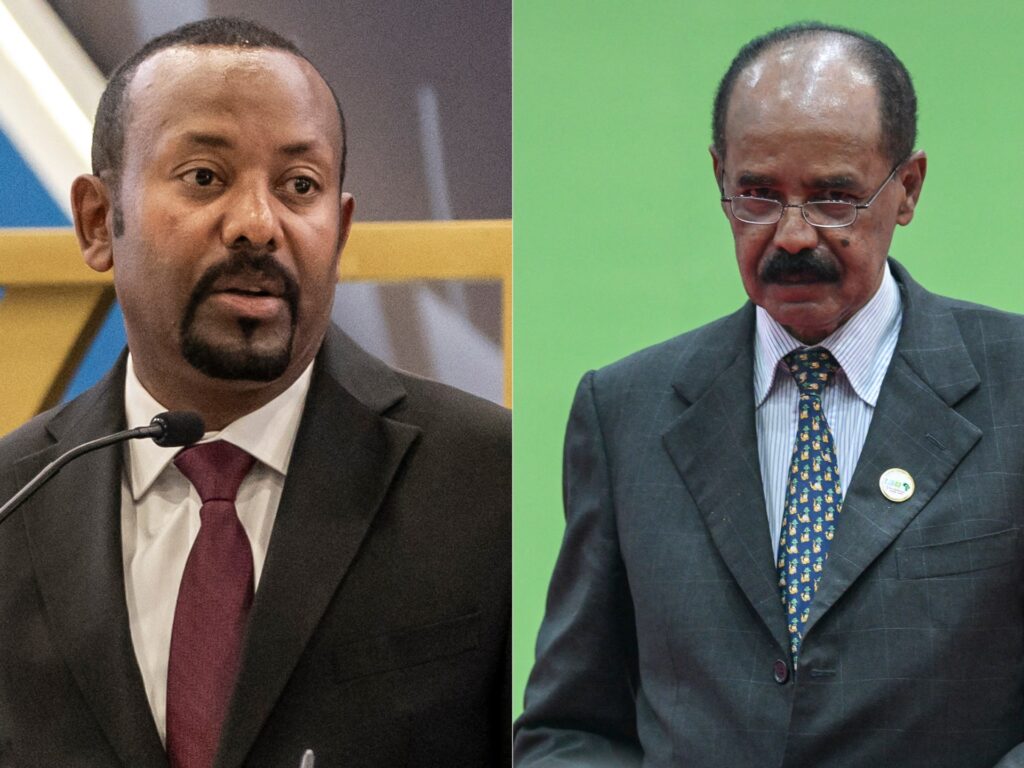
Tensions between Ethiopia and Eritrea have sharply escalated, raising fears that the two neighboring countries might be on the brink of open conflict. Allegations have emerged accusing Eritrean troops of unauthorized incursions into Ethiopia’s Tigray region, a move that has significantly deepened the already fragile rift between the two nations.
The border dispute between Ethiopia and Eritrea has been a persistent source of instability in the Horn of Africa for decades. Despite a peace agreement signed in 2018, which aimed to restore diplomatic relations and end two decades of hostilities, the situation in Tigray—a northern Ethiopian region bordering Eritrea—remains a powder keg.
Recent reports indicate that Eritrean soldiers have crossed into Tigray amidst the ongoing conflict between Ethiopian federal forces and Tigray-based groups. The Eritrean government is accused of supporting Ethiopian forces against the Tigray People’s Liberation Front (TPLF), a move that has inflamed local and international concerns about sovereignty and human rights abuses.
Ethiopian officials have condemned these incursions as violations of national sovereignty and have lodged formal complaints with international organizations. They warn that such actions destabilize the fragile peace and could trigger broader regional instability.
On the other hand, Eritrea denies any official military involvement, stating that any Eritrean nationals involved acted independently. However, satellite imagery and eyewitness accounts suggest a coordinated presence of Eritrean troops inside Tigray.
The rhetoric between the two countries has become increasingly hostile. Ethiopian leaders have accused Eritrea of imperial ambitions in the region, while Eritrean officials have responded by blaming Ethiopia for reigniting the conflict and destabilizing the region’s security.
Human rights organizations have expressed alarm over the potential humanitarian fallout. The fighting in Tigray has already led to thousands of deaths, widespread displacement, and critical shortages of food and medical supplies. The involvement of Eritrean troops could exacerbate the crisis and complicate efforts for a peaceful resolution.
International actors, including the United Nations, the African Union, and Western governments, have called for restraint and urged both sides to return to dialogue. There are growing fears that continued military escalation could unravel the tenuous peace in the Horn of Africa and spill over into neighboring countries.
The conflict’s progression underscores the urgency for diplomatic intervention and sustained peacebuilding efforts. Analysts warn that without immediate de-escalation and negotiations, the region risks descending into a larger, more destructive war that could destabilize the entire Horn of Africa.
In the meantime, local populations remain caught in the crossfire, facing increasing hardships amid the geopolitical power struggle. The ongoing hostilities highlight the complex interplay of historical grievances, ethnic tensions, and geopolitical interests driving the conflict.
As Ethiopia and Eritrea exchange hostile statements and military maneuvers, the international community watches closely, hoping for a peaceful resolution but preparing for the ramifications of a possible war. The coming weeks will be critical in determining whether diplomacy can prevail or if the fragile peace shatters, plunging the Horn of Africa into renewed conflict.