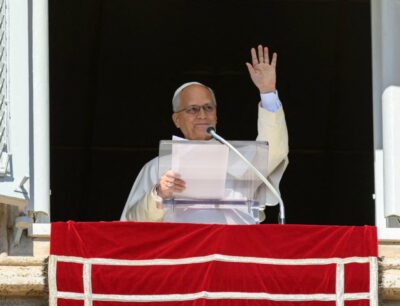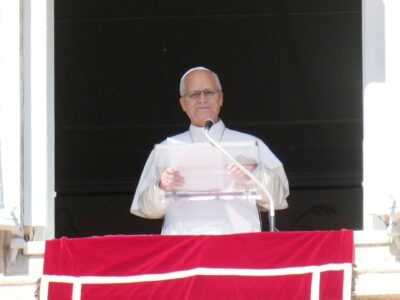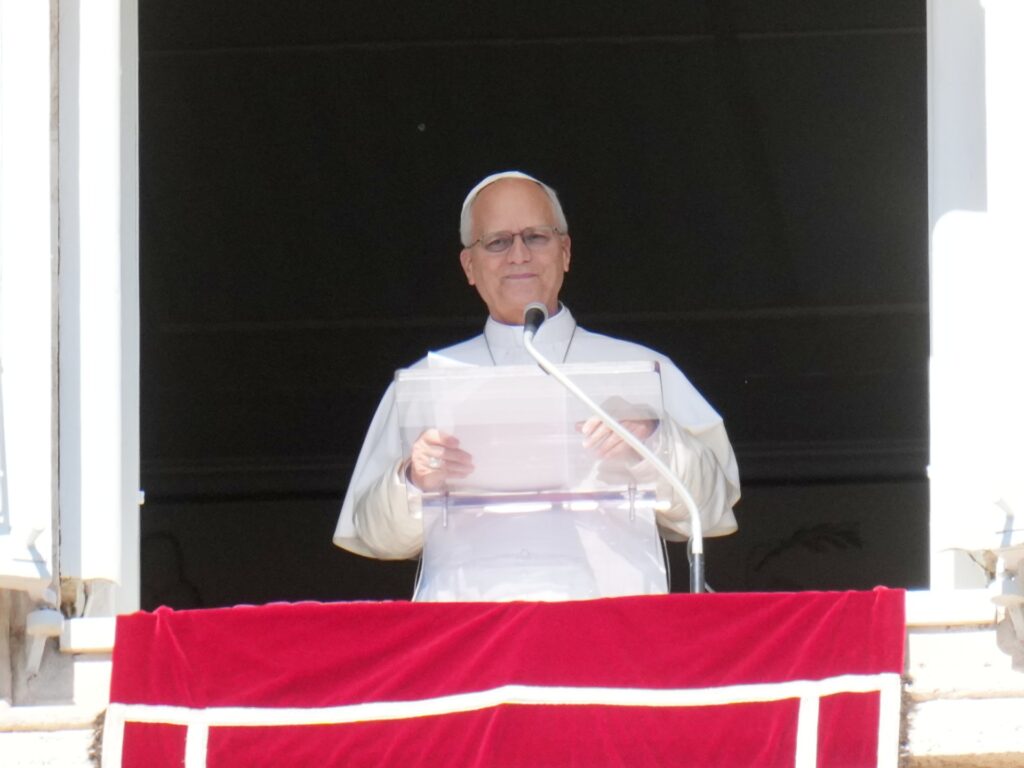
Pope Leo, the 71-year-old spiritual leader of the Catholic Church, has announced that he will be undergoing surgery to remove a lung nodule. The revelation was made during his weekly Sunday blessing at St Peter’s Square, where he addressed the gathered pilgrims and informed them about his upcoming medical procedure.
The news has generated concern among the faithful, as Pope Leo has been a prominent figure in the Church, guiding millions of Catholics worldwide. Despite his age, the Pope has remained active in his duties, providing spiritual leadership and participating in numerous religious and public events.
Lung nodules are small masses of tissue in the lung that can be benign or malignant, and their discovery often leads to further diagnostic tests to determine their nature. The decision to proceed with surgery usually indicates a significant concern about the nodule’s potential impact on health.
Medical experts affirm that early intervention is critical in cases involving lung nodules, especially for individuals of advanced age, to prevent further complications. The Pope’s medical team has likely prioritized his health, ensuring that all necessary precautions and preparations are in place for a successful surgery and recovery.
In his public address, Pope Leo maintained a composed demeanor, reassuring his followers that he is in good hands and hopeful for a positive outcome. He also called for prayers and expressed gratitude for the support he has received from his community and the global Catholic population.
Historically, leaders who share their health challenges openly often encourage a message of transparency and hope, which can strengthen the bond between them and their followers. Pope Leo’s courage in sharing this personal health update is seen as an extension of his pastoral care.
The Vatican has not released detailed information about the exact timing of the surgery or the specific medical team involved, emphasizing the privacy and confidentiality surrounding the Pope’s health. However, they have assured the public that the Pope will receive the best possible medical treatment.
During the interim period, the Pope has delegated certain responsibilities to trusted Church officials to ensure the continuity of leadership and the smooth operation of the Vatican’s affairs. This step reflects the Church’s preparedness in handling such situations with dignity and efficiency.
The faithful worldwide have responded with an outpouring of support, organizing prayer vigils and sending messages of encouragement and solidarity. Social media platforms and religious communities have been abuzz with expressions of hope for Pope Leo’s swift recovery.
As the Pope prepares for surgery, healthcare professionals remain optimistic about his prognosis, given his overall health and the advancements in medical procedures for lung conditions. The successful removal of the nodule is anticipated to alleviate health risks and enable the Pope to continue his spiritual mission.
This development also highlights the importance of regular health screenings, especially for older adults and those in demanding leadership roles. Early detection of anomalies like lung nodules can significantly improve treatment outcomes.
Pope Leo’s commitment to his health and wellbeing serves as a reminder of the human aspect of even the most revered public figures. His openness about his medical condition fosters a culture of awareness and encourages others to pay attention to their health.
The Catholic Church and its followers await further updates with hope and prayers for the Pope’s complete recovery. This episode underscores the resilience and unity of the Church community in times of personal and collective challenges.
In summary, Pope Leo’s forthcoming surgery to remove a lung nodule marks a significant moment for the Catholic Church and its global congregation. His transparent communication, combined with medical intervention and community support, sets a hopeful precedent for managing health issues amid leadership responsibilities.