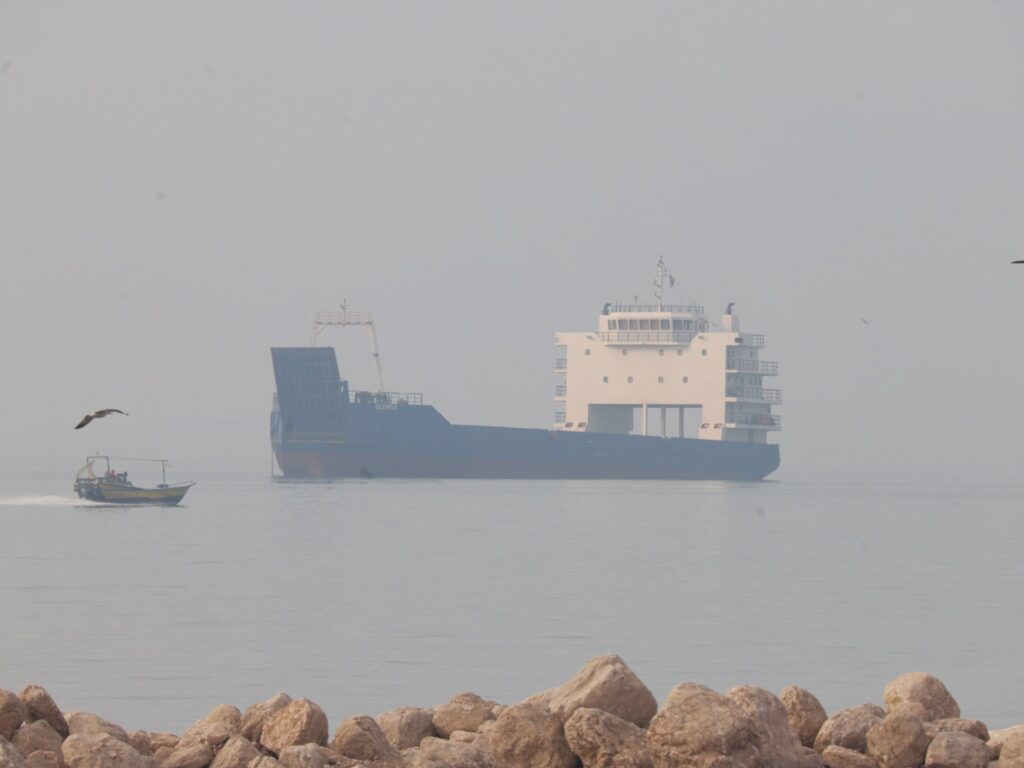
The Strait of Hormuz, a critical maritime chokepoint linking the Persian Gulf to the Gulf of Oman and the Arabian Sea, has become a hotspot of geopolitical tension, especially given the ongoing conflict involving Iran. This tension has not only affected global oil supply lines but has also significantly impacted the lives and salaries of those who navigate this perilous passage.
Recent reports indicate a substantial increase in the salaries of tanker captains and sailors who undertake voyages through the Strait of Hormuz. This surge is largely attributed to the elevated risks posed by regional hostilities, incidents involving maritime security, and the potential for conflict escalation.
Tankers operating in this strategic corridor, vital for global energy security, face myriad hazards including the risk of seizure, attacks by hostile forces, and heightened military presence. Consequently, shipping companies and charterers have instituted a hefty bonus system to compensate for these dangers.
Specifically, tanker captains are now reportedly earning upwards of $100,000 annually, augmented by a considerable $50,000 bonus per trip through the strait. This premium, commonly referred to as the ‘Hormuz bonus,’ is a direct reflection of the increased peril associated with navigating these waters.
The bonus aims not only to reward the captains’ bravery and skill but also to serve as an incentive to attract experienced maritime professionals willing to face the formidable challenges posed by the region’s volatile security environment.
Sailors and crew members on these vessels also benefit from enhanced remuneration packages, although the exact figures can vary depending on rank, experience, and the shipping company involved.
This trend marks a departure from more stable times when the Strait of Hormuz was a routine transit without extraordinary financial incentives. It underscores the tangible economic impacts on the maritime sector resulting from regional conflicts and geopolitical developments.
Industry experts note that while the increased compensation helps mitigate crew shortages and operational risks, it also raises shipping costs, which could ultimately influence global oil prices given the strait’s role in global oil transportation.
Moreover, insurance premiums for voyages through the Strait of Hormuz have escalated, further adding to the operational costs endured by shipowners and operators.
The ongoing Iran-related conflict has thus introduced what many are calling the ‘Hormuz bonus,’ a hazardous waters premium reflecting both the increased risks and the high stakes of maintaining essential energy supply routes.
Maritime labor organizations have expressed mixed feelings about the bonuses; while welcoming the increased pay, they emphasize the need for robust safety measures and diplomatic solutions to reduce the risks faced by seafarers.
Governments and international bodies continue to monitor the situation closely, balancing the imperatives of free navigation, regional stability, and the safeguarding of global energy supplies.
In summary, the rising salaries and bonuses for sailors transiting the Strait of Hormuz epitomize the intersection of global geopolitics and maritime commerce, highlighting how conflict zones directly influence labor markets and operational dynamics in the shipping industry.
As tensions persist and the strategic importance of the Strait of Hormuz remains undiminished, the premium paid to mariners underscores the increased risks and rewards tied to this vital maritime passage.