In France, a wave of protests and blockades within schools has erupted once again despite recent assurances from the Prime Minister promising to address the situation swiftly. These demonstrations reflect widespread dissatisfaction among students and educators, who are voicing their concerns over educational reforms and various socio-political issues affecting the school system.
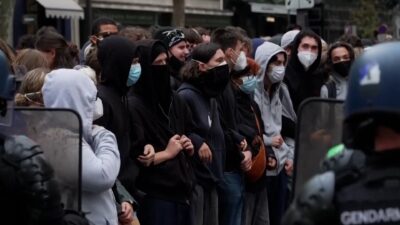
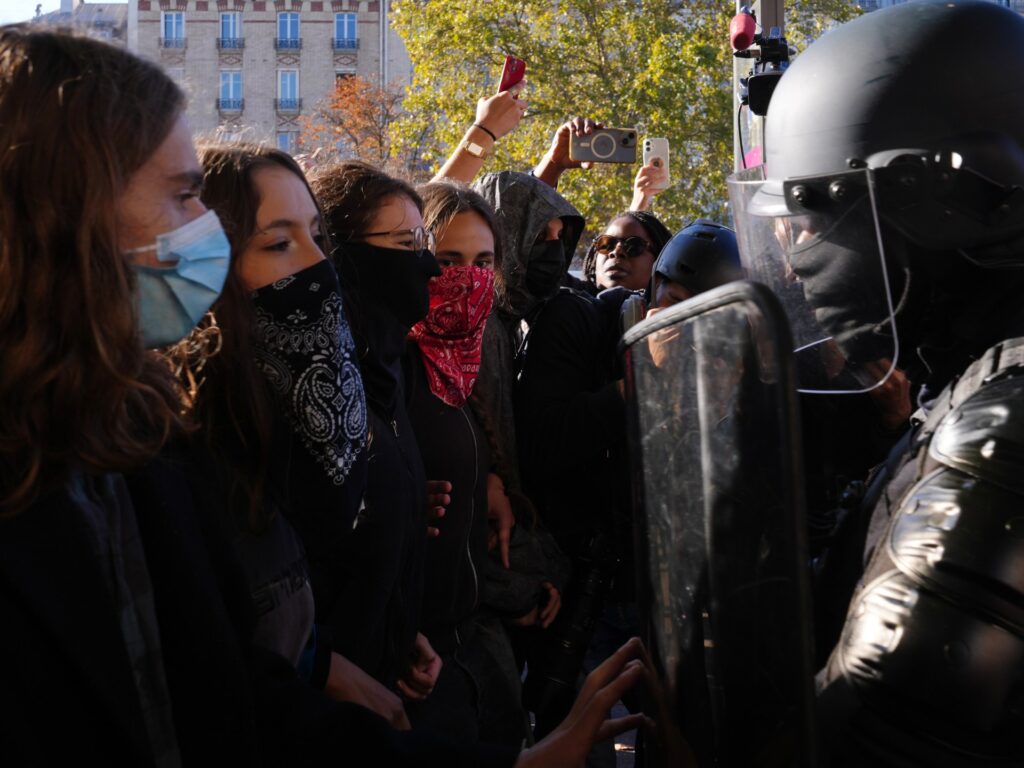
The protests have rapidly intensified, leading to numerous injuries across different groups involved. Reports confirm that dozens of individuals, including students, teachers, and police officers, have sustained injuries amid clashes and disruptions. The confrontations have occurred in multiple locations, highlighting the nationwide scale of the unrest.
Schools have become flashpoints for these demonstrations, with blockades preventing the normal functioning of educational institutions. Students and teachers, united in their grievances, have taken to the streets and school premises to protest against policies they deem unjust or harmful.
The Prime Minister had earlier pledged to engage with stakeholders and implement measures to quell the disturbances. However, the resurgence of protests signals a gap between government actions and public sentiment.
Law enforcement agencies have been mobilized to maintain order and ensure safety, but the situation remains volatile. Authorities are carefully balancing the need to protect schools while respecting the rights of protesters to express their views.
This ongoing unrest has broader implications for the French education system and societal stability. Parents and community members express concern over the impact on students’ learning and psychological well-being.
Meanwhile, debates continue over the government’s approach to handling dissent and reform implementation. Critics argue that more inclusive dialogue and transparency are essential for resolving the crisis.
As the situation unfolds, the French government faces mounting pressure to find a solution that addresses the root causes of the protests while restoring peace and normalcy to the education sector. The coming weeks are expected to be critical in shaping the future of school governance and public trust in the nation’s leadership.