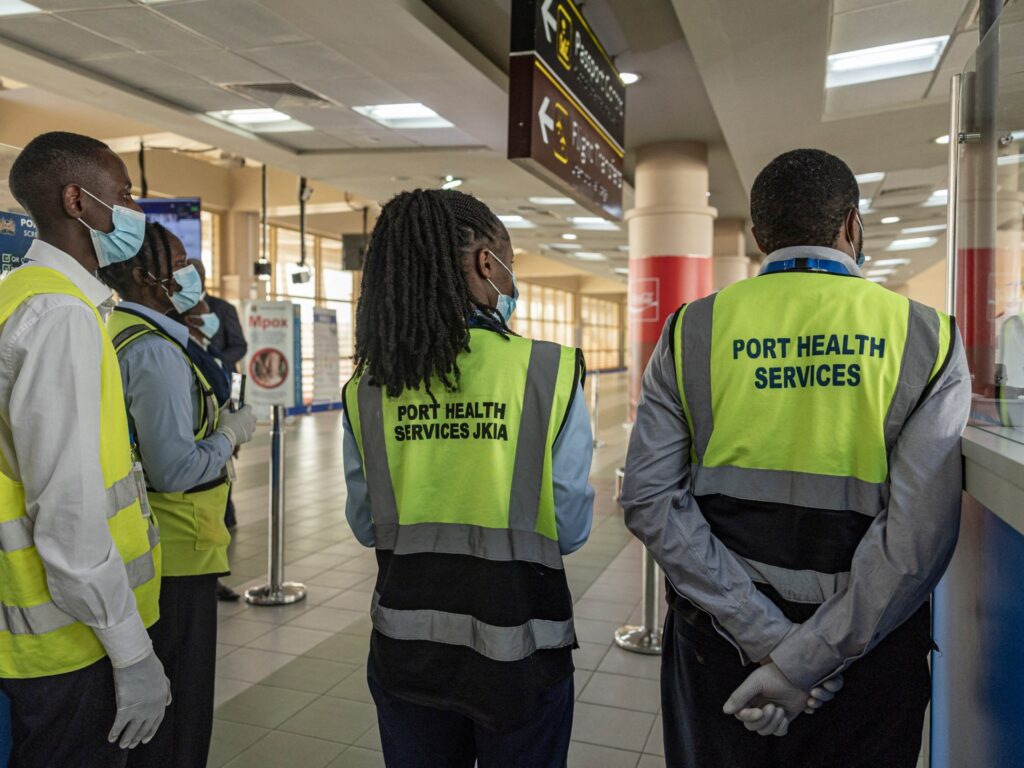
A single reported death from Ebola in Kenya has ignited fears of a potential wider spread of the deadly virus across Africa. According to the World Health Organization (WHO), the deceased patient originally fell ill in the Democratic Republic of Congo (DRC), where they had been residing, and received treatment before traveling to Kenya.
The case underscores the ongoing threat posed by Ebola, a hemorrhagic fever with high mortality rates, particularly in regions bordering endemic areas. The patient’s movement from the DRC to Kenya highlights how mobility of infected individuals can facilitate the spread of infectious diseases across national borders, posing challenges for containment and public health responses.
Ebola virus outbreaks have historically been concentrated in Central and West Africa, often emerging in remote villages near rainforests where the virus circulates in animal reservoirs. However, human travel has increasingly allowed the virus to reach urban centers and even cross into new countries, as seen in past outbreaks.
Kenya, while geographically close to the DRC, had not reported recent Ebola cases before this incident, increasing the urgency for government officials and health agencies to mount rapid and robust responses. The Kenyan Ministry of Health, in collaboration with WHO and other partners, has initiated contact tracing to identify and monitor individuals who may have come into contact with the patient.
Enhanced surveillance, public education campaigns, and coordination across borders are critical to managing the potential spread. Health experts warn that undetected transmission could lead to new outbreaks in Kenya or other neighboring countries, complicating containment efforts.
The case also illuminates broader public health challenges in Africa, where porous borders, travel for trade, and population displacement due to conflict or economic opportunity can undermine infection control measures. Strengthening health infrastructure, laboratory capacity, and outbreak response teams remains a priority.
Experts emphasize the importance of global solidarity and support in confronting Ebola threats. Resources for vaccines, diagnostics, and treatment must be made accessible to affected regions to quickly control emerging cases.
In conclusion, while the single Ebola death in Kenya is alarming, it also serves as a crucial reminder of the interconnected risks countries face and the imperative for vigilance to prevent further spread. Collaborative efforts between affected countries and international partners will be vital to containing the virus and protecting public health across Africa.