Kosovo is currently engulfed in a wave of political unrest and protests, with tensions escalating due to recent developments involving former rebel leaders. The convictions of these ex-rebel figures have sparked widespread protests, adding to the already fragile political environment in the young Balkan country.
These protests come at a time when Kosovo is grappling with a deep-seated political deadlock. The stalemate has stalled many governmental functions and has raised serious concerns about the future stability of Kosovo’s political landscape. The deadlock revolves around contentious issues of governance, leadership legitimacy, and the ongoing challenges of integrating former combatants into the political and social fabric of the country.
Against this backdrop, the prospect of new elections looms large. Many political analysts and international observers view elections as a potential way to break the impasse and provide a renewed mandate to move forward. However, elections carried out amid such unrest risk further exacerbating tensions if not managed carefully.
Former rebel leaders, who played significant roles during Kosovo’s struggle for independence, remain controversial figures. Their recent convictions have polarized public opinion. Supporters see them as heroes who fought for Kosovo’s freedom, while opponents view them as individuals implicated in wartime abuses. This divide is mirrored in the streets, where protests have drawn large crowds demanding justice, accountability, and political change.
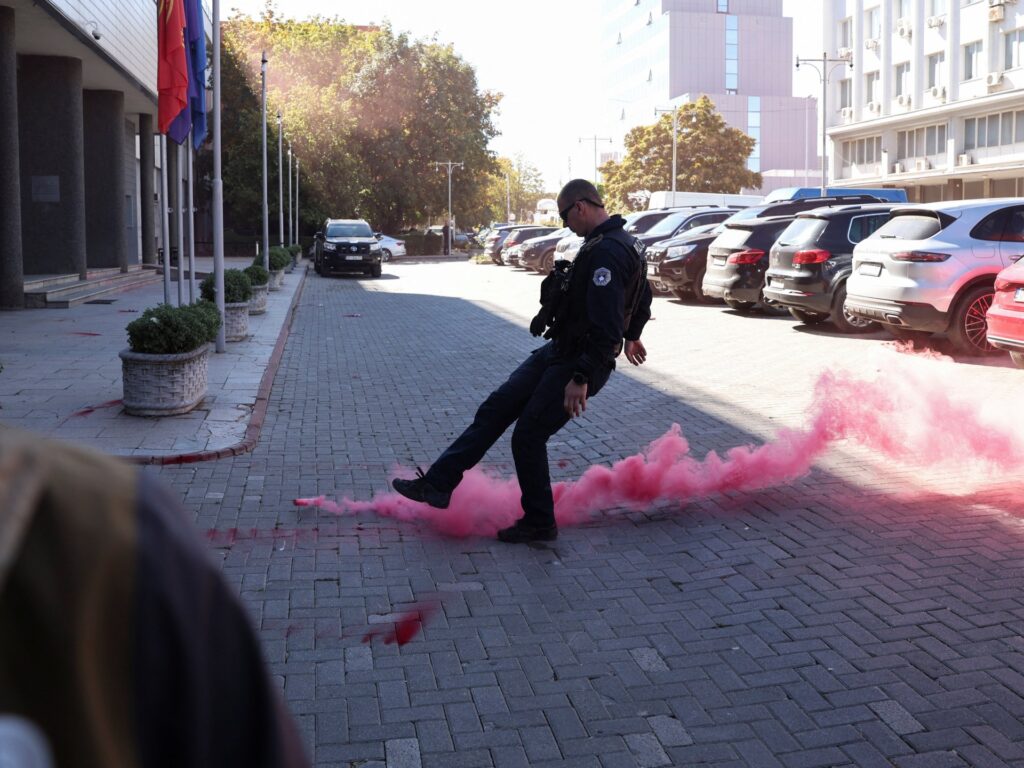
The government has struggled to contain the unrest, with security forces deployed to maintain order. There have been reports of clashes between protesters and police, leading to injuries and heightened public anxiety. Political leaders across the spectrum have called for calm, urging dialogue and peaceful resolution of disputes.
International stakeholders, including the European Union and the United States, have expressed concern over the situation. They emphasize the importance of upholding the rule of law while encouraging inclusive political processes that respect democratic principles.
The deadlock also raises questions about Kosovo’s broader political trajectory. Since declaring independence in 2008, Kosovo has faced numerous challenges to its sovereignty and internal governance. The current crisis underscores the fragility of its institutions and the ongoing struggle to build a unified national identity.
New elections, if scheduled, will be a critical test for Kosovo’s democracy. They could either pave the way for political renewal and stability or deepen divisions and prolong instability. The coming weeks will be crucial as political actors, civil society, and international partners navigate this complex and volatile situation.
In summary, Kosovo stands at a crossroads, facing a delicate balance between justice for contested wartime figures and the need to restore political functionality. The outcomes of protests and potential elections will significantly shape the country’s future, making the situation one to watch closely on the regional and international stage.