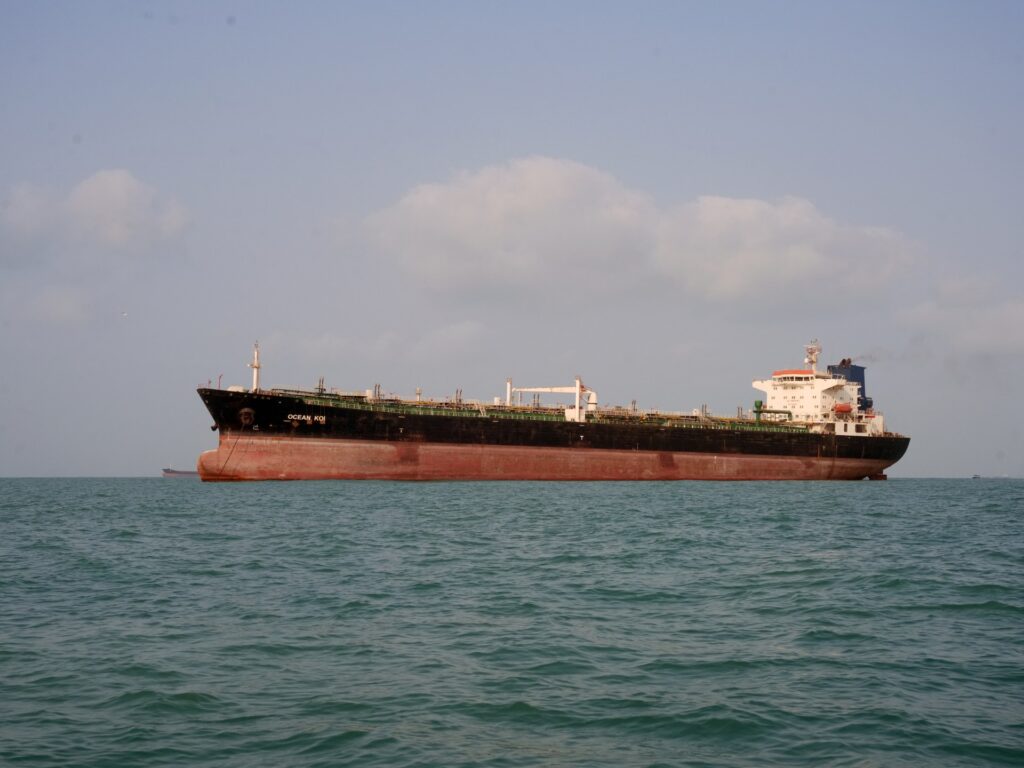
The Strait of Hormuz, a pivotal chokepoint in global energy supply, has witnessed a significant surge in ship attacks, raising alarms about the security and sustainability of increased oil exports through this corridor. Despite escalating security threats, Gulf oil exports have continued to rise, underscoring both the resilience and risks confronting the energy market.
Situated at the nexus of the Arabian Gulf and the Gulf of Oman, the Strait of Hormuz serves as the primary maritime route for transporting roughly a fifth of the world’s oil supply. Its strategic importance cannot be overstated, with energy flows critical to economies worldwide, particularly in Asia, Europe, and the United States.
Recent months have seen a marked increase in targeted assaults on oil tankers and cargo ships navigating the Strait. These incidents range from missile and drone strikes to sabotage and unexplained explosions, attributed by various actors to political tensions, regional conflicts, and proxy warfare.
This spike in attacks has sent ripples through global energy markets, causing temporary price volatility and heightened concerns over supply disruptions. However, Gulf oil exports have paradoxically surged during this period, driven by robust production ramp-ups and strategic export policies, especially from major producers such as Saudi Arabia and the United Arab Emirates.
Experts highlight the paradox of increased oil exports amid rising geopolitical risks. While production capacity and logistical adaptations have allowed Gulf states to sustain and even boost exports, the continuation of attacks underscores vulnerabilities in maritime security that could threaten long-term supply reliability.
Oil companies and shipping firms have responded by enhancing vessel security measures, employing convoy escorts, and integrating advanced surveillance technologies. Governments have also increased naval patrols and coordinated regional security collaborations to safeguard these vital shipping lanes.
Despite these efforts, analysts warn that the sustainability of increased exports under persistent threat conditions remains uncertain. Prolonged instability could lead to higher insurance premiums, logistical bottlenecks, and deterrence of maritime traffic, ultimately impacting global energy supply chains.
Moreover, the increased risk environment accelerates calls for diversification of supply routes and energy sources. Efforts to develop alternative pipelines, increase LNG shipments, and shift towards renewable energy are gaining momentum as ways to mitigate dependency on the Hormuz corridor.
In conclusion, while the Gulf region has demonstrated remarkable resilience in maintaining and growing its oil exports amidst rising attacks, the sustainability of this trend is precarious. Ensuring the security of the Strait of Hormuz and investing in diversified energy infrastructure are critical priorities for stabilizing global energy markets in an increasingly volatile geopolitical landscape.