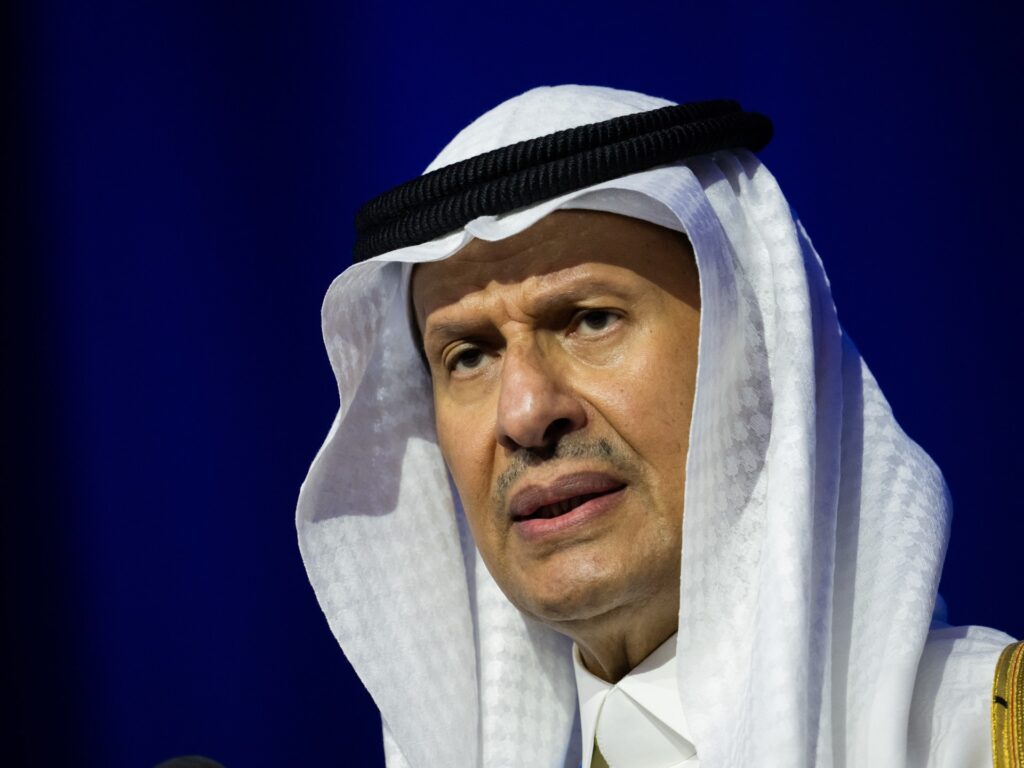
Saudi Arabia’s Energy Minister, Prince Abdulaziz bin Salman, announced that the East-West pipeline is now pumping at a restored capacity of 5.8 million barrels per day (bpd), following a major attack last month that had disrupted the vital flow of crude oil. The East-West pipeline, also known as the Petroline, is a crucial artery for Saudi Arabia’s oil export infrastructure, transporting crude oil from the oil-rich Eastern Province to the Red Sea port of Yanbu, enabling shipments to international markets.
The attack, which occurred in the previous month, significantly impacted oil production and export capabilities, raising concerns about global oil supply stability and prices. However, Saudi Arabian officials moved swiftly to assess and repair the damage. Energy Minister Prince Abdulaziz expressed confidence in the restoration efforts, emphasizing the resilience and operational readiness of the Kingdom’s oil infrastructure.
The successful restoration to near full capacity is a testament to the rapid response and technical expertise involved in maintaining Saudi Arabia’s energy security. It also reassures global markets about the reliability of the Kingdom as a leading crude oil exporter.
The East-West pipeline plays an integral role in Saudi Arabia’s oil distribution network, with a design capacity that supports roughly 5.8 million barrels per day. This pipeline has been a strategic asset since its construction in the 1980s, enabling the Kingdom to bypass the Strait of Hormuz for oil exports, thus providing an alternative and secure route.
Saudi Arabia’s oil export infrastructure has frequently faced threats, with geopolitical tensions at times targeting oil facilities and transportation routes. The incident last month underscores ongoing regional vulnerabilities but also highlights the Kingdom’s preparedness and ability to mitigate operational disruptions.
Energy experts note that restoring the pipeline capacity quickly helped to stabilize oil prices which had been volatile due to fears of prolonged supply interruptions. The move also aligns with Saudi Arabia’s commitment to maintaining a steady supply in the global oil market amid fluctuating demand and geopolitical uncertainties.
In addition to infrastructure resilience, Saudi Arabia continues to invest in diversification and security measures to protect its vital energy assets. This includes enhanced surveillance, cybersecurity measures, and partnerships with international allies to prevent future incidents.
The restoration of the East-West pipeline capacity is expected to support ongoing economic activities and maintain Saudi Arabia’s leadership role in the global energy sector. Market analysts will continue to monitor the effects of this restoration on oil supply dynamics and global energy prices.
Prince Abdulaziz’s statement serves as a reassurance to international partners and stakeholders that Saudi Arabia’s energy sector remains robust and capable of overcoming challenges presented by regional instability and external threats. The Kingdom’s decisive actions following the attack reinforce its position as a crucial player in ensuring energy security worldwide.