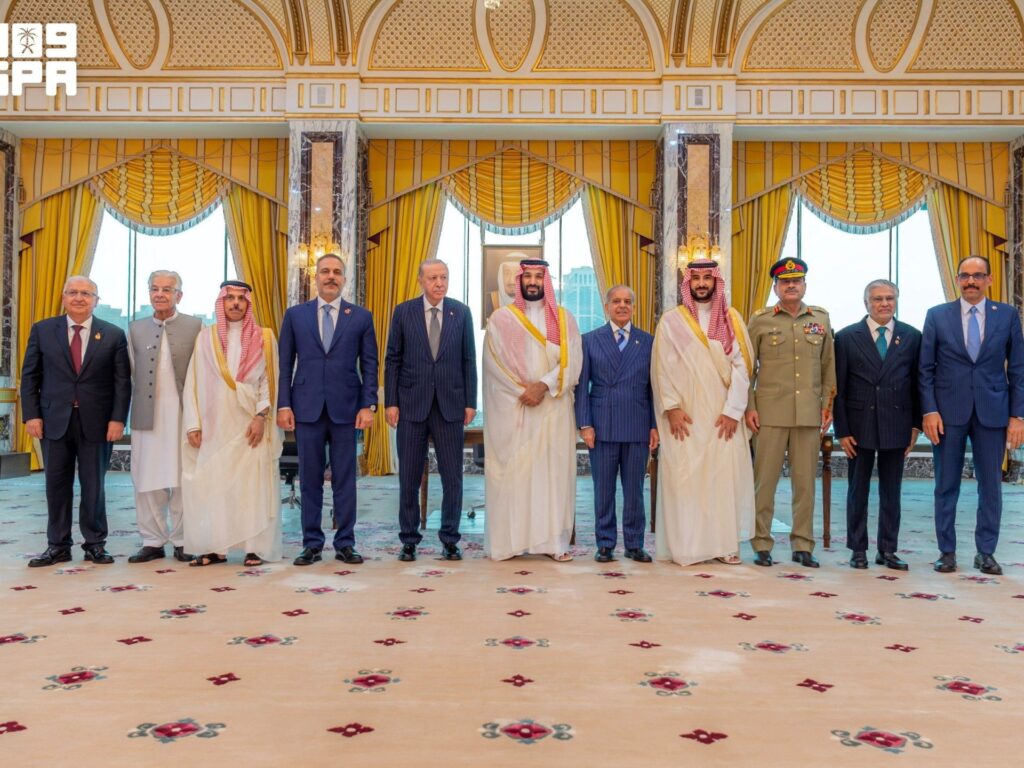
In a significant development in Middle Eastern geopolitics, Pakistan and Turkiye have publicly joined Saudi Arabia’s deterrence efforts against the Iranian-backed Houthi rebels in Yemen. This move marks an important shift in the regional dynamics surrounding the conflict, which has been ongoing for nearly a decade.
The Houthis, also known as Ansar Allah, have controlled large parts of northern Yemen since 2014, including the capital Sana’a. Their insurgency has prompted Saudi Arabia and a coalition of Arab states to intervene militarily to restore the Yemeni government. While Saudi Arabia has conducted offensive operations in Yemen to counter the Houthis, Pakistan has positioned its involvement as defensive, emphasizing that its role is aimed at deterring Houthi attacks rather than engaging directly in combat.
Pakistan’s stance is rooted in its policy of non-interference and defensive posture. Islamabad has historically maintained close relations with Saudi Arabia but remains wary of deep involvement in Yemen’s complex civil war. However, Riyadh’s offensive campaigns and increasing Houthi missile attacks on Saudi territory have tested Pakistan’s ability to stay completely out of the conflict. By joining the deterrence initiative, Pakistan signals its support for Saudi Arabia’s security concerns while attempting to balance its diplomatic and strategic interests in the region.
Turkiye’s involvement adds another layer of complexity. Traditionally focusing on its own regional interests and responding to various Middle Eastern conflicts, Turkey’s decision to join Saudi deterrence efforts against the Houthis indicates a shared concern over Iranian influence. The Houthis receive support from Iran, Saudi Arabia’s regional rival, and the conflict is often viewed through the lens of the broader Saudi-Iranian rivalry. Turkey’s participation strengthens the coalition against Iran-backed elements and reflects Ankara’s ambition to play a more prominent role in Middle Eastern affairs.
The collaboration between Pakistan, Turkiye, and Saudi Arabia could reshape regional alliances and security configurations. For Saudi Arabia, having allies publicly back its military and security efforts reinforces its position and may contribute to greater stability on its southern borders. For Pakistan and Turkiye, aligning with Saudi Arabia helps cement strategic partnerships and enhances their leverage in regional politics.
However, this alignment is not without risks. The Yemeni war has caused massive humanitarian crises and economic devastation, drawing criticism from international observers. Pakistan’s and Turkey’s involvement, especially if it deepens, could expose them to political and military risks and international scrutiny. It also raises questions about how long Pakistan can maintain its defensive role if the conflict escalates or spills over.
Moreover, the conflict in Yemen is deeply rooted in local grievances, tribal dynamics, and religious divides, which external military involvement has struggled to resolve. The addition of Pakistan and Turkiye to the deterrence campaign may influence the balance of power but is unlikely to end the war without a political solution.
In summary, Pakistan and Turkiye’s joining of Saudi deterrence against the Houthis signifies a notable development that underlines growing regional cooperation against Iranian-backed forces in Yemen. While Pakistan maintains its involvement as defensive, Riyadh’s offensive stance and the escalating conflict pose questions about the sustainability of Pakistan’s position. On the other hand, Turkiye’s participation reflects its strategic calculations in Middle Eastern powerplays. The situation remains fluid, with potential implications for regional security, alliance structures, and the broader conflict dynamics in the Arabian Peninsula.