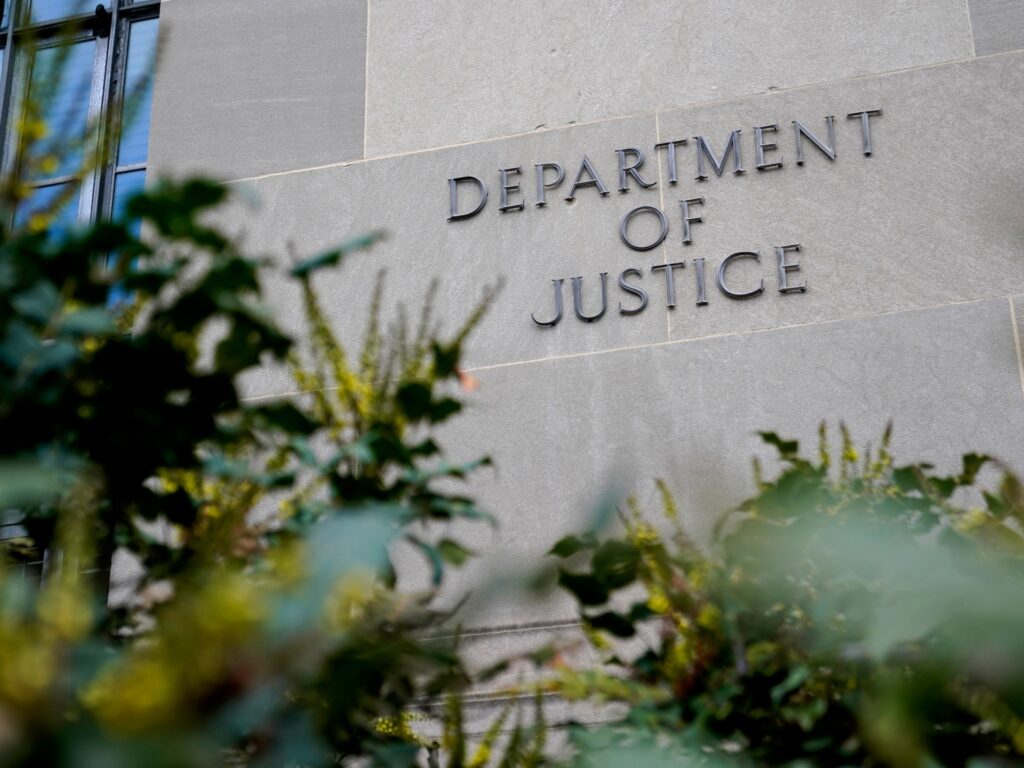
In a significant development, the Attorney General of the United States has announced a record number of cases aimed at stripping naturalized Americans of their citizenship. This comes as part of a broader initiative by top government officials to expand the use of laws that have traditionally been rarely invoked in the past.
The laws in question allow the government to revoke citizenship from individuals who obtained it through naturalization if it is later found that they misrepresented or concealed material facts during the citizenship process, or engaged in acts that justify denaturalization.
Officials are emphasizing the importance of safeguarding the integrity of the citizenship process to ensure that only those who genuinely qualify retain their status. This move is intended to deter fraud and ensure that naturalized citizenship is granted only to those who meet all legal criteria.
Historically, denaturalization has been a rare occurrence, as it involves complex legal procedures and must meet a high standard of proof. However, recent efforts signal a shift towards more aggressive enforcement of these laws, reflecting ongoing concerns over national security and immigration integrity.
Critics have raised concerns about the potential for abuse and the impact on immigrant communities, emphasizing the need for careful, fair application of justice that respects individual rights.
Legal experts note that while the expansion of denaturalization cases may serve as a tool to enforce immigration laws more strictly, it also poses challenges regarding due process and the protection of citizenship as a fundamental right.
The Attorney General’s announcement highlights the government’s resolve to pursue these cases vigorously, signaling a new era in the enforcement of citizenship laws in the United States. As these efforts unfold, the balance between national security and civil liberties will remain a critical point of discussion.