South Korea is seriously considering implementing measures to compel North Korea to issue an apology for the recent mine blast in the Demilitarized Zone (DMZ). The incident, which caused injuries to South Korean soldiers, has heightened tensions between the two Koreas and drawn international attention to the fragile security situation along their heavily fortified border.
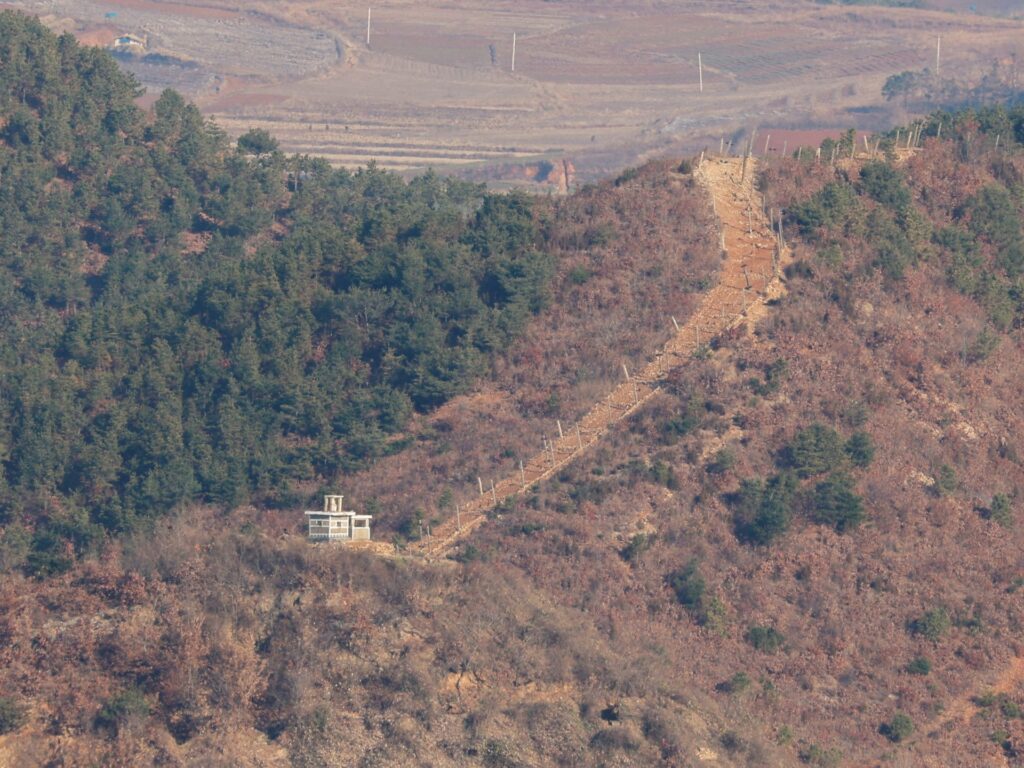
The South Korean government has formally urged Pyongyang to not only apologize for the explosion but also to remove any other land mines planted on the southern side of the Military Demarcation Line (MDL). Currently, mines are scattered along parts of the DMZ, a buffer zone established after the Korean War, which has long been a site of military confrontations and ceasefire violations.
The blast occurred when South Korean troops were conducting routine patrols near the DMZ, prompting immediate medical aid and a robust military response. Seoul holds Pyongyang responsible for the incident and has demanded that North Korea take full accountability by providing a formal apology and cooperating in demining efforts to ensure the safety of soldiers and civilians.
Diplomatic sources reveal that South Korea is exploring a range of options, including leveraging international diplomatic channels and imposing possible sanctions if North Korea refuses to comply. The South Korean Ministry of National Defense has emphasized the need for strict measures to prevent further provocations and protect national security.
Inter-Korean relations remain highly delicate, with periodic outbreaks of hostility and attempts at dialogue. Past mine-related incidents have escalated tensions, underscoring the persistent risk along the DMZ. This latest event threatens to stall ongoing peace efforts and demands renewed international attention to stability on the peninsula.
The South Korean government and military continue to monitor the situation closely, coordinating with allies such as the United States to determine appropriate responses. Seoul’s commitment to maintaining peace and security will be balanced with firm actions to deter future provocations.
Experts note that removing land mines from the DMZ is vital for long-term peace and security on the Korean Peninsula. The presence of these mines not only risks human lives but also hampers efforts towards reconciliation and the eventual goal of reunification.
In summary, South Korea’s consideration of steps to force an apology from North Korea following the DMZ mine blast highlights the ongoing volatility of inter-Korean relations and the urgent need for dialogue, cooperation, and de-escalation to preserve peace in one of the world’s most sensitive and militarized border regions.