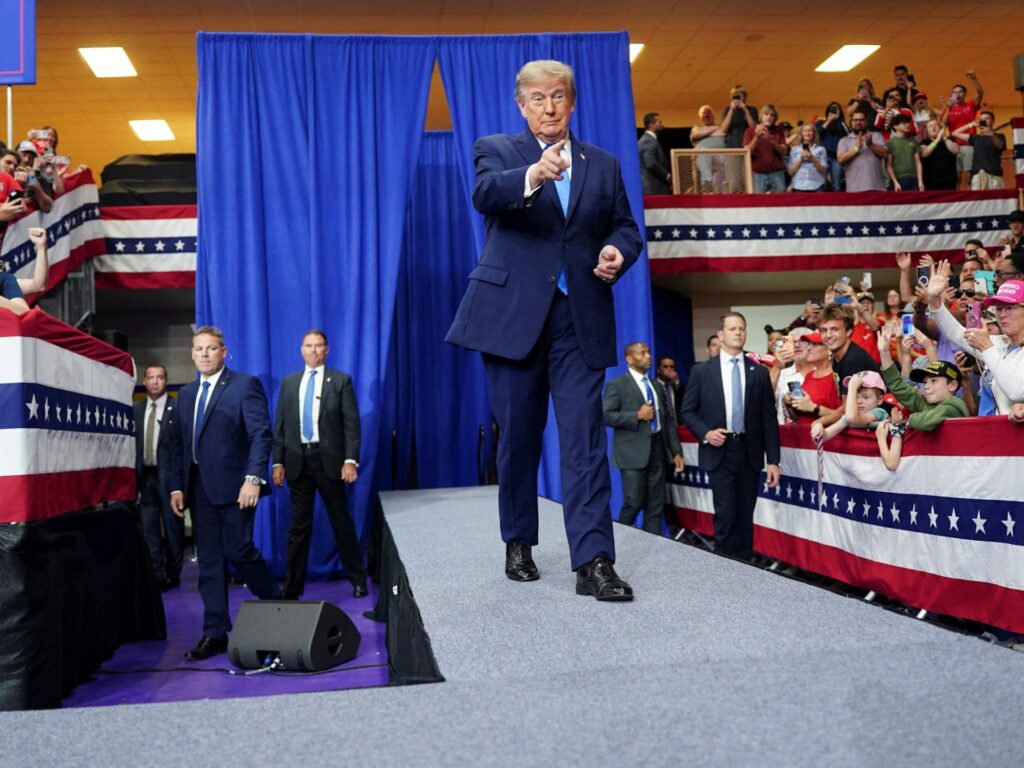
In a significant move aimed at addressing ethical concerns, the US President has declared that taxpayer money will no longer be used to fund television advertisements that praise his administration. This decision follows widespread criticism from ethics experts who raised alarms about the propriety of using public funds for self-promotional purposes.
The controversy arose after the airing of three nationally broadcast TV ads that presented a favorable image of the President’s policies and achievements. Critics argued that these ads crossed ethical boundaries, essentially functioning as politically motivated self-promotion funded by American taxpayers.
Ethics advisers and watchdogs called for independent investigations into the matter, stressing that such expenditures could undermine public trust and misappropriate government funds. They highlighted the importance of maintaining clear lines between government messaging intended to inform the public and promotional content that could be deemed partisan or self-serving.
Responding to these critiques, the President acknowledged the concerns and committed to halting the practice. In a public statement, he emphasized the need for transparency and responsible spending of government resources, assuring citizens that their money will not be used for political advertising.
This development underscores the ongoing debate about the use of government communications in politics, especially as elections approach. It also reflects broader calls for ethical governance and accountability in the use of public funds.
While government agencies frequently communicate with the public about programs and policies, the line between informative outreach and political promotion has often been a topic of scrutiny. This recent decision may set a precedent for future administrations to carefully consider the content and funding of their public outreach efforts.
Legal experts note that this directive could potentially lead to revisions in guidelines governing government advertising, ensuring that taxpayer dollars are spent strictly on nonpartisan informational campaigns.
The move has garnered mixed reactions. Supporters praise the President for addressing the ethical dilemma and promoting fiscal responsibility. Conversely, some political commentators argue that government messaging is inherently political and that a clear standard on what constitutes self-promotion is challenging to establish.
Nevertheless, the President’s announcement marks a clear stance on the issue, reflecting an effort to restore public confidence and uphold standards of ethical conduct in government communications.
As this new policy is implemented, it remains to be seen how it will affect government advertising strategies and public communication in the coming months. Stakeholders across the political spectrum are expected to monitor closely the administration’s adherence to this commitment.
This decision serves as a reminder of the crucial role transparency and ethics play in democratic governance, particularly when it comes to the stewardship of taxpayer resources. The President’s move to cease funding self-praising ads with public money may well contribute to setting higher ethical standards for future administrations.