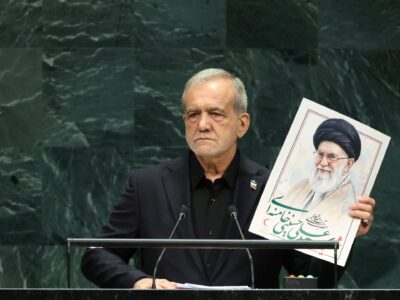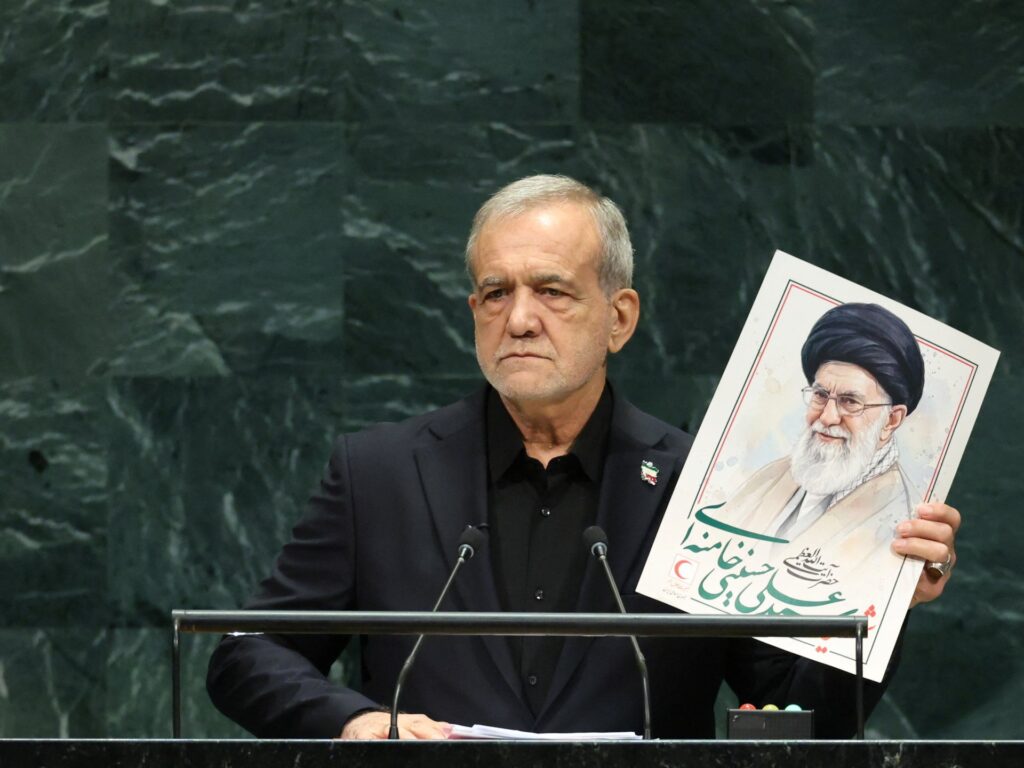
The second day of the United Nations General Assembly commenced with a series of impactful speeches delivered by world leaders, including representatives from Syria, Iran, and Ukraine. Central to the discourse was Iran’s firm stance on being a victim of terrorism, as articulated by Iranian legislator Ali Motahari Pezeshkian during his address. Pezeshkian confronted former U.S. President Donald Trump, emphasizing Iran’s experiences and losses due to terrorist actions, and challenging narratives that have politically marginalized the country.
The General Assembly, which continues to draw attention as a global platform for dialogue and diplomacy, saw a variety of key issues highlighted by the participating nations. Syria underscored the ongoing challenges the country faces due to conflict and foreign interference, urging for more comprehensive international support in rebuilding and peace efforts.
Ukraine, amid its ongoing conflict, again stressed the urgency of international assistance and solidarity in its struggle to maintain sovereignty and security against external aggression. The speeches collectively reflected a world grappling with serious security threats, humanitarian crises, and the need for robust multilateral cooperation.
Iran’s declaration as a terrorism victim comes in the context of heightened international tensions and sanctions, signaling its attempt to pivot the international narrative towards recognition of its suffering rather than solely its contentious geopolitical actions. Pezeshkian’s direct mention of former President Trump highlighted the long-standing U.S.-Iran tensions and aimed to draw attention to the human cost borne by Iran in the face of what it terms terrorism.
The sessions at the UN General Assembly are expected to continue in the coming days with further speeches, discussion panels, and efforts to address complex global issues, including security, economic development, and climate change. World leaders will seek to navigate the delicate balance of diplomacy to advance peace and cooperation at a time marked by geopolitical divisions.
This assembly reaffirms the UN’s role as a key arena for voices from conflict zones to be heard and for global powers to engage in dialogue. Iran’s positioning as a victim aims to foster empathy and potentially recalibrate international relations which currently pivot around sanctions and strategic rivalry.
The event is a reminder of the persistent challenges faced by nations dealing with terrorism, conflict, and political isolation. As the assembly unfolds, the international community watches for outcomes that might influence peace, security, and development trajectories worldwide.
In summary, the second day of the UN General Assembly was marked by significant declarations and calls for international cooperation to address and resolve pressing global issues, with Iran asserting its narrative against terrorism and other nations voicing their ongoing struggles and aspirations for peace.