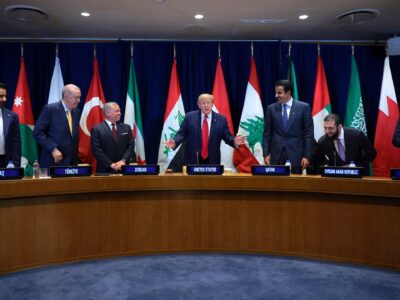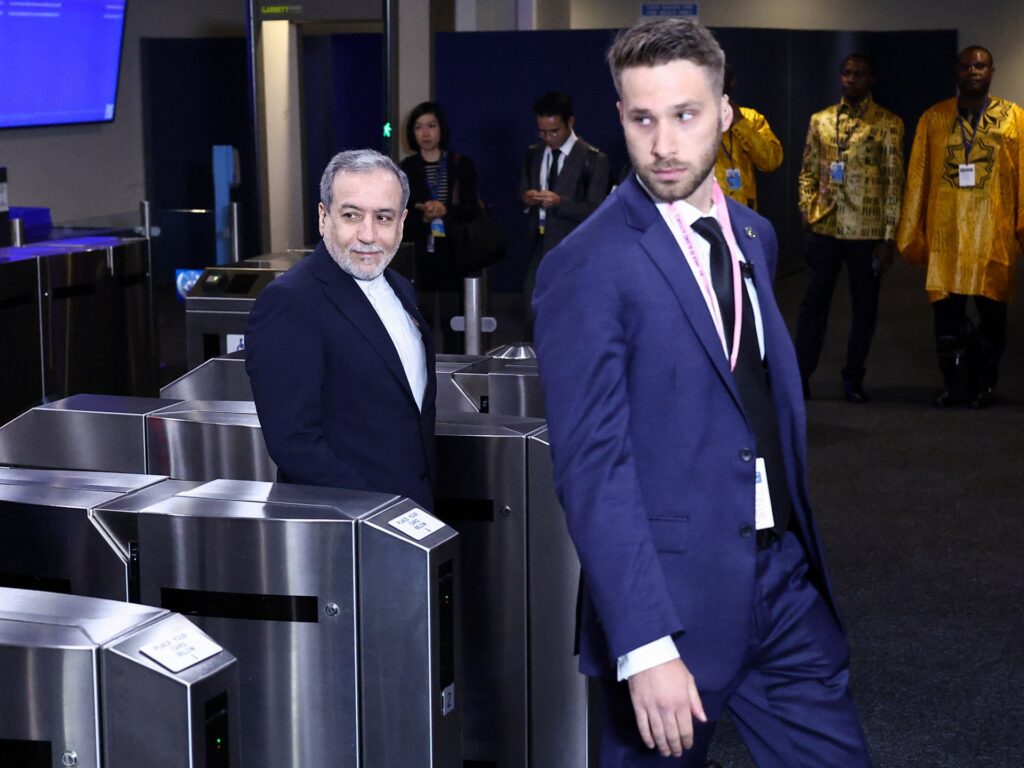
The recent surge in diplomatic activity in New York has stirred discussions on the possibility of a breakthrough in US-Iran relations. Analysts, however, remain cautious, emphasizing that despite the heightened engagements and talks, a comprehensive deal this week appears unlikely.
The core disagreements between Washington and Tehran, which have long defined their complicated relationship, remain unresolved. Issues such as Iran’s nuclear program, regional influence, and sanctions enforcement continue to be significant hurdles.
Diplomatic efforts in New York often bring both parties to the negotiating table, fostering dialogue and potentially easing tensions. These engagements provide opportunities for back-channel talks and confidence-building measures, which are essential steps toward any substantive agreement.
Nonetheless, the deep-rooted mistrust and conflicting strategic interests pose a substantial challenge. Analysts point out that while diplomatic flurries can create momentum, sustainable progress requires addressing fundamental disagreements.
The US insists on strict verification measures and Iran’s commitment to curbing its nuclear activities, while Iran demands the lifting of sanctions and recognition of its right to peaceful nuclear technology. Neither side has shown significant flexibility on these issues in recent talks.
The international community watches closely as these diplomatic maneuvers unfold, hoping for a breakthrough that would not only stabilize US-Iran relations but also contribute to regional security in the Middle East.
In conclusion, while the diplomatic hustle in New York symbolizes a hopeful avenue for dialogue, experts believe that a breakthrough deal in the immediate future is unlikely without bridging the substantial gaps that continue to divide Washington and Tehran.