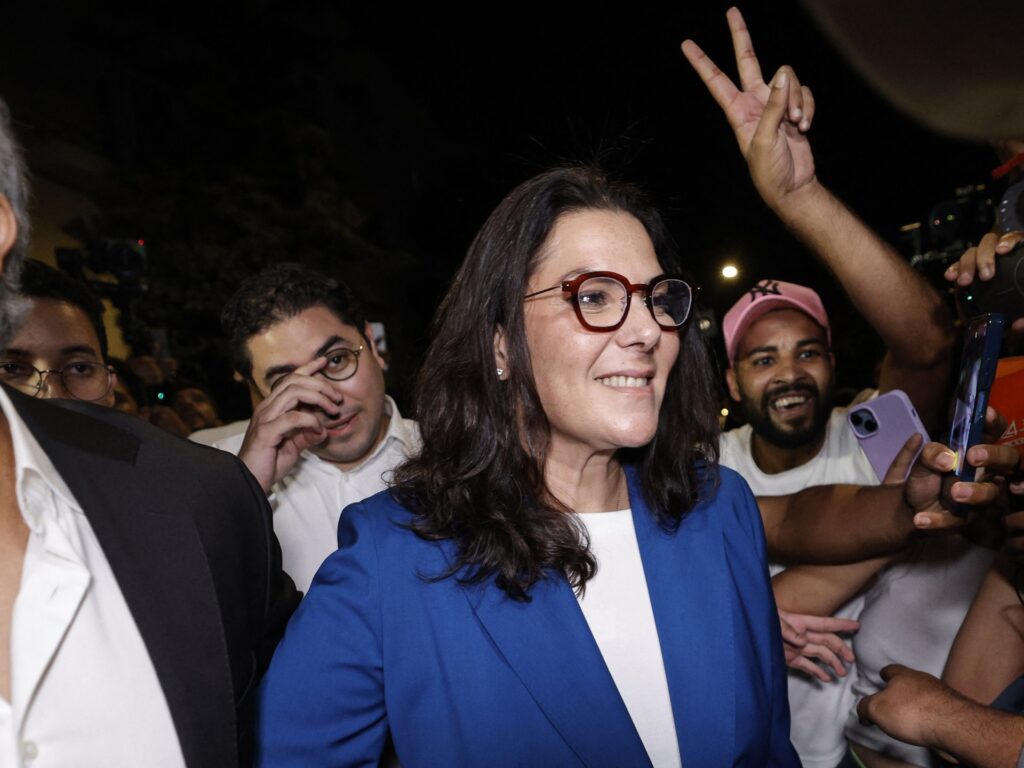
Morocco’s parliamentary elections have unfolded with significant political shifts, marked by fragmentation, voter disengagement, and a remarkable resurgence of the Justice and Development Party (PJD). As the political landscape evolves under the rule of King Mohammed VI, the recent elections offer a complex picture of Morocco’s democracy in action.
The National Rally of Independents (RNI), led by Aziz Akhannouch, retained a leading position, but the Parti Authenticité et Modernité (PAM) emerged as the front-runner in terms of seat count. This indicates a vibrant multiparty competition, but also underlines increasing fragmentation within Moroccan politics. The PAM’s success contrasts with the PJD’s surprising rebound, which saw the Islamist party quadruple its seats in parliament compared to the previous election.
Despite the PJD’s comeback, voter turnout reached its second-lowest level since King Mohammed VI ascended to the throne. This drop in electoral participation signals a growing disengagement among the electorate, raising questions about political apathy and trust in the democratic process. Analysts attribute this to a mix of dissatisfaction with existing political parties, socio-economic challenges, and perhaps a lack of compelling options for many voters.
The PJD’s resurgence is particularly noteworthy. After suffering a dramatic loss four years ago amidst widespread criticism and political contention, the party managed to rebuild its base and appeal to its traditional voters. The Islamist party’s ability to regain ground could signal a shift in the political tone and priorities, possibly emphasizing social justice, economic reform, and conservative values aligned with its platform.
Meanwhile, the PAM’s lead in the election reveals that Moroccan voters are still attracted to parties promising modernization, economic liberalism, and a more centrist approach to governance. The competition between PAM and PJD illustrates the ongoing ideological contests within Morocco’s political arena.
Fragmentation aside, the election results also highlight the challenges of political polarization. Multiple parties now hold significant but relatively small shares of seats, making coalition-building a prerequisite for stable government formation. This can lead to political negotiations marked by complexity and potential instability, as parties with diverse agendas must find common ground.
Experts suggest that the low turnout might also be a response to the perceived limits of political participation in Morocco, where real power often resides with the monarchy and unelected institutions. This structural dynamic may dampen enthusiasm for electoral politics among citizens who feel their vote has limited influence on national policy-making.
In summary, Morocco’s 2024 elections have spotlighted three major themes: fragmentation of political power, declining voter engagement, and the dramatic comeback of the PJD. As Morocco continues to balance its monarchical system with its democratic aspirations, these dynamics will play a critical role in shaping the country’s political future.
The election results will now set the stage for coalition talks and government formation. Observers will closely monitor how the PAM and PJD navigate this new political terrain and how their agendas will translate into policies affecting Morocco’s economic development, social stability, and international relations.
Ultimately, while political plurality has expanded, the challenge for Morocco remains to translate electoral outcomes into effective governance that addresses the aspirations and concerns of its populace, ensuring both stability and progress under King Mohammed VI’s reign.