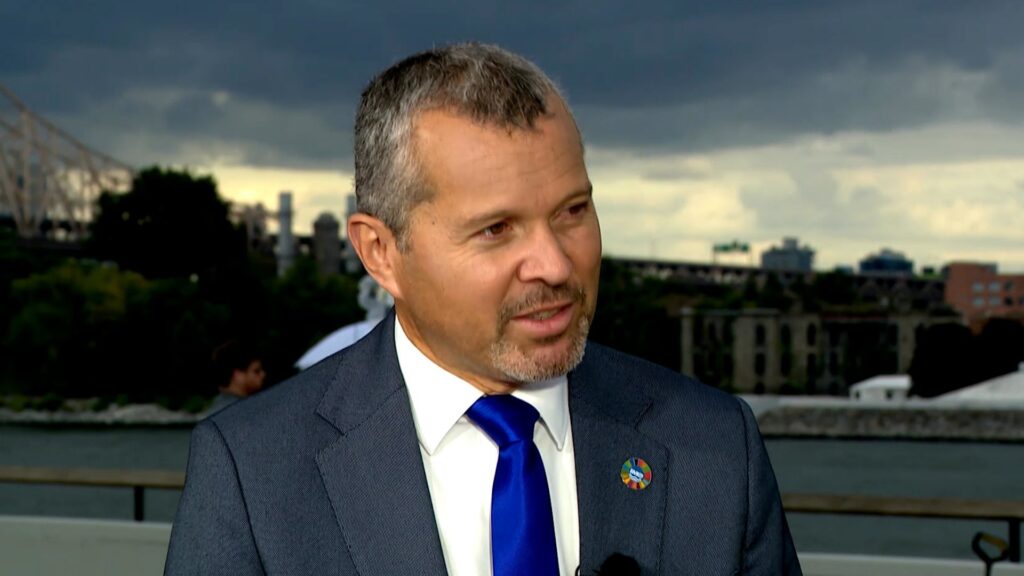
The International Maritime Organization (IMO) has recently highlighted a significant issue concerning the charging of fees for the use of international straits. Arsenio Dominguez, the chief of the IMO, firmly stated that there are no legal grounds for countries to impose fees on ships merely for transiting through international straits. This declaration underscores the principle of free passage through such vital waterways that has traditionally been upheld under international maritime law.
International straits are crucial passages that connect two larger bodies of water, enabling global maritime trade and naval movements. The legal framework surrounding these straits is primarily governed by conventions such as the United Nations Convention on the Law of the Sea (UNCLOS), which advocate for unimpeded passage with minimal restrictions. According to Dominguez, any attempt by nations to levy charges on vessels navigating these international corridors lacks grounding in recognized legal statutes.
This stance by the IMO chief comes in response to recent instances where some coastal countries have sought to impose fees on commercial and other shipping vessels passing through their maritime boundaries in international straits. Such moves have raised concerns among the global shipping community, given the potential implications for international trade costs and the principle of maritime freedom.
Dominguez emphasized that imposing fees could set a dangerous precedent affecting the smooth operation of international trade routes. It might increase operational costs for shipping companies, with these expenses potentially passing on to consumers globally, thereby disrupting the intricate supply chains that underpin the modern economy.
Historically, the concept of innocent passage and transit passage in international straits has protected the free movement of goods and people by sea. The principle ensures that straits used for international navigation should not be turned into toll roads, preserving the essence of international maritime collaboration and mutual respect among nations.
The IMO continues to advocate for adherence to international laws that promote fairness, security, and efficiency in maritime navigation. The organization encourages all nations to engage in dialogues that respect sovereignty yet honor the established rights and freedoms of the global maritime community.
In the wake of these developments, the international maritime sector is closely monitoring how this assertion by the IMO will influence future policies and practices concerning international straits. Industry leaders and maritime experts welcome the clarity provided by Dominguez’s statement, hoping it will deter attempts to monetize these essential navigational routes.
Overall, the declaration by Arsenio Dominguez reaffirms the legal and ethical expectations placed on nations regarding maritime passage. It also reinforces the commitment to maintaining open sea lanes that are vital for peace, trade, and cooperation among nations worldwide, ensuring that international straits remain accessible and free of unwarranted financial burdens.