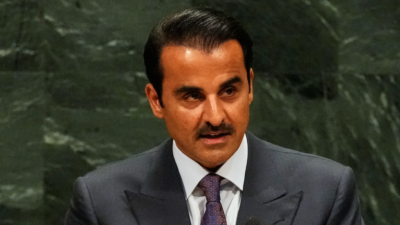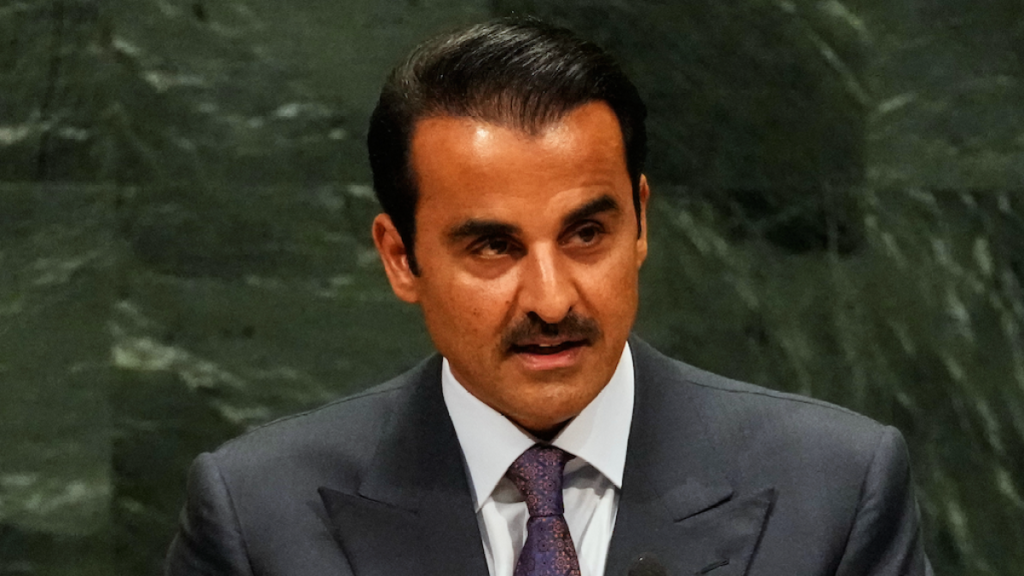
During the recent UN General Assembly, Qatari Emir Sheikh Tamim bin Hamad Al Thani emphatically stated that Qatar refuses to confine itself solely to the role of a mediator within the Gulf region. This declaration highlights Qatar’s aspiration to play a more expansive and influential role on the regional and international stage.
Sheikh Tamim bin Hamad Al Thani expressed that while mediation has been an essential and respected function of Qatar—facilitating dialogue and easing tensions among Gulf nations—the country seeks to extend its contributions beyond this capacity. He stressed the importance of Qatar positioning itself as a proactive player in shaping the future of the region and advancing global diplomacy.
Qatar’s mediation efforts have historically included its involvement in resolving conflicts and promoting dialogue between rival factions within the Gulf Cooperation Council (GCC) and neighboring countries. However, the Emir’s remarks at the UN come at a time when regional dynamics are rapidly evolving, and Gulf states are reassessing their strategies to respond to new geopolitical challenges.
By voicing that Qatar will not limit itself to a mediator’s role, Sheikh Tamim is signaling a strategic pivot toward broader diplomatic engagement, economic leadership, and cultural influence. He envisions Qatar leveraging its successful mediation experience as a foundation to contribute more actively in areas such as international peace efforts, economic diversification initiatives, sustainable development projects, and humanitarian aid.
The Emir underscored Qatar’s commitment to fostering stability and cooperation not only within the Gulf but also on a wider global scale. This approach aligns with Qatar’s ongoing investments in infrastructure, education, and innovation, aimed at transforming the country into a hub for knowledge and sustainable growth.
Furthermore, Qatar’s diplomatic ambitions remain focused on multilateralism and partnerships with various countries and international organizations. Sheikh Tamim highlighted Qatar’s role in the United Nations and other global forums as a testament to its readiness to assume greater responsibilities and influence in international affairs.
This statement also indirectly addresses and counters any perceptions that Qatar is limited to mediation because of its small size or relatively modest military capabilities. Instead, the Emir champions Qatar’s strategic geographic position, economic strength, and diplomatic agility as critical assets enabling the country to contribute significantly beyond mediation.
In conclusion, the Qatari Emir’s remarks at the UN General Assembly articulate a forward-looking vision for the country’s role in regional and global affairs. Qatar seeks to be recognized not just as a peacemaker but as a versatile and dynamic player capable of shaping policy, innovation, and cooperation well into the future. This stance heralds a new chapter in Qatar’s foreign policy, suggesting the Gulf nation aims to enhance its influence and impact far beyond the borders of the Arabian Peninsula.