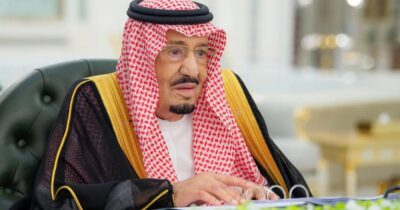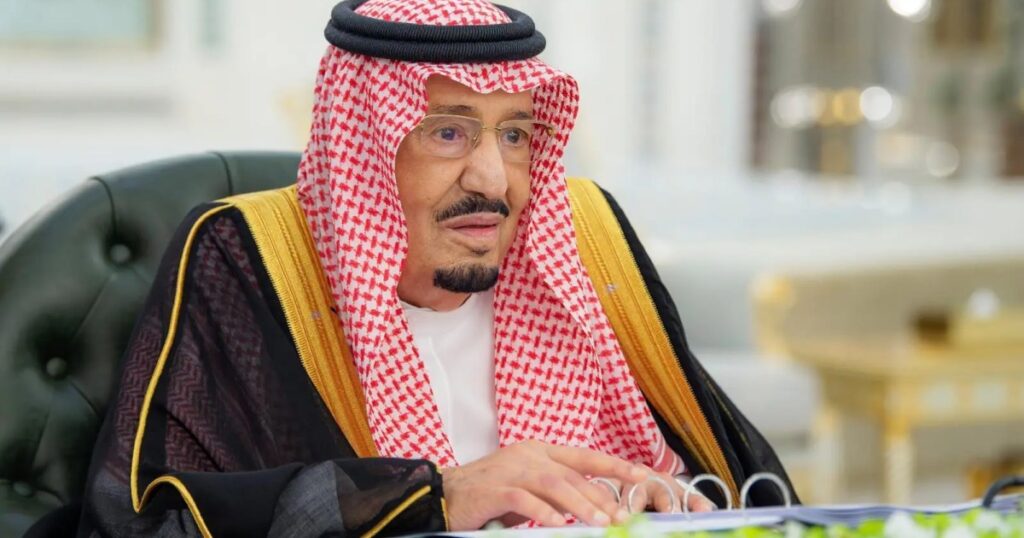
In a rare and stern condemnation, Saudi Arabia’s King Salman has vocally denounced the recent attacks targeting Mecca by the Houthi rebel group from Yemen. The Saudi monarch’s unprecedented statement underscores the growing sense of urgency and heightened alertness within the kingdom as these threats escalate.
The Houthi movement, which has been engaged in a prolonged conflict with the Saudi-led coalition in Yemen, has intensified its missile and drone attacks against Saudi territory in recent months. Mecca, Islam’s holiest city and a focal point for millions of Muslims worldwide, was reportedly targeted, drawing swift backlash from Riyadh.
King Salman’s denunciation of the Houthis reflects the severity with which the Saudi leadership views these attacks. By labeling the Houthis as ‘terrorists’ and directly condemning their targeting of sacred sites, the King emphasized the grave security implications and the potential impact on the region.
This strong language differs from earlier statements in the conflict, highlighting both the escalation in the nature of the attacks and the increased threat perception in the kingdom. It signals to the international community that Saudi Arabia is resolute in defending its territorial integrity and religious sanctity.
The timing of this condemnation aligns with a spate of intensified assaults launched by the Houthis, which have included drones and ballistic missiles aimed not only at military targets but civilian infrastructure and symbolic sites.
Saudi officials have expressed concerns that these aggressive moves could destabilize the region further and undermine ongoing international efforts to negotiate peace in Yemen. Mecca’s significance as a religious center makes any attack on it particularly provocative and unacceptable to the Saudi government and the Muslim world broadly.
In response, Saudi Arabia has bolstered its defensive capabilities and increased surveillance measures to preempt further incursions. The kingdom also continues to work with its allies to apply diplomatic pressure on the Houthi leadership to cease their attacks.
Analysts suggest that King Salman’s statement may be intended to rally domestic support and signal resolve to the Houthis and their backers. It also serves as a reminder of the broader geopolitical stakes involved in the Yemeni conflict, where regional powers vie for influence.
The condemnation thus marks a pivotal moment in the conflict narrative, potentially influencing future military and diplomatic strategies. For the people of Saudi Arabia, especially those in Mecca and surrounding regions, it conveys a message of protection and determination against destabilizing forces.
As the situation remains volatile, the international community watches closely, recognizing that the security of Mecca bears implications not just for Saudi Arabia but for Muslim communities worldwide. The king’s strong words highlight the interconnectedness of regional stability and the protection of cultural and religious heritage.
In conclusion, King Salman’s rare public rebuke of the Houthis following their attacks on Mecca reveals a heightened sense of crisis and an unequivocal stance against threats to the kingdom’s safety and religious sanctuaries. The move underscores Saudi Arabia’s commitment to countering terrorism and preserving peace in what remains one of the Middle East’s most complex and enduring conflicts.